






























LAHORE (MNN); Against the backdrop of a tightening global energy landscape, Planning Minister Ahsan Iqbal has urged a reconsideration of market operating hours, suggesting that earlier closures could ease the country’s growing fuel import burden.
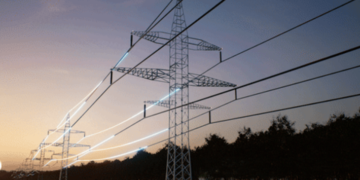
Speaking at a press conference in Lahore, the minister pointed to the heavy reliance on imported fuel for electricity generation, noting that late-night commercial activity places an added strain on already stretched resources. He observed that many markets in Pakistan open late and continue operating into the early hours, consuming electricity often generated through costly furnace oil.
According to Iqbal, nighttime power production can cost between Rs60 to Rs80 per unit, raising concerns about sustainability during a period of economic pressure linked to ongoing global tensions. He described the current situation as one that demands a shift in public behavior, calling crises an opportunity for collective adjustment.
The minister said provinces have been asked to engage with trader bodies and present a workable plan within a week to ensure earlier market closures. He expressed hope that such measures could save billions of rupees otherwise spent on energy imports, while urging the business community to approach the matter with understanding.
Iqbal also noted that in several developed economies—such as Japan, the United States, Malaysia, Indonesia, and Türkiye—commercial activity typically winds down by evening, contributing to more efficient energy use. He added that societal routines encouraging early rest and productivity could also play a role in easing pressure on national resources.
In parallel, the government has taken notice of rising transport fares, directing provincial authorities to consult with transporters to prevent unjustified increases. The minister encouraged citizens to adopt fuel-saving habits, including carpooling and minimizing unnecessary electricity consumption.
The remarks follow comments by Power Minister Awais Leghari, who recently confirmed that the federal government is in consultation with provinces regarding energy conservation measures, including revised market timings.
Iqbal further called for national unity in addressing the economic fallout of the ongoing conflict, cautioning against politicising the crisis. He also urged media outlets to avoid sensational reporting, noting that current fuel price pressures stem from global factors rather than domestic policy decisions.
Meanwhile, Information Minister Attaullah Tarar defended the government’s response, stating that the situation is part of a broader global challenge affecting multiple countries. Speaking alongside Climate Change Minister Musadik Malik, Tarar highlighted proactive steps taken by the government to prevent fuel shortages and cushion the economic impact.
He credited Prime Minister Shehbaz Sharif for taking timely decisions, including coordinating with provincial leadership and ensuring uninterrupted fuel supply despite regional disruptions. Tarar added that the government had absorbed a financial burden of Rs129 billion in recent weeks and introduced subsidies to support the public.
Malik, echoing the call for conservation, urged citizens to limit unnecessary travel and reduce electricity usage, describing such actions as a national responsibility during challenging times.