



















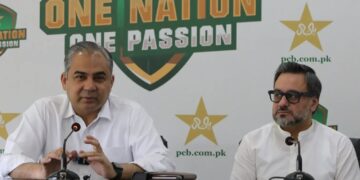









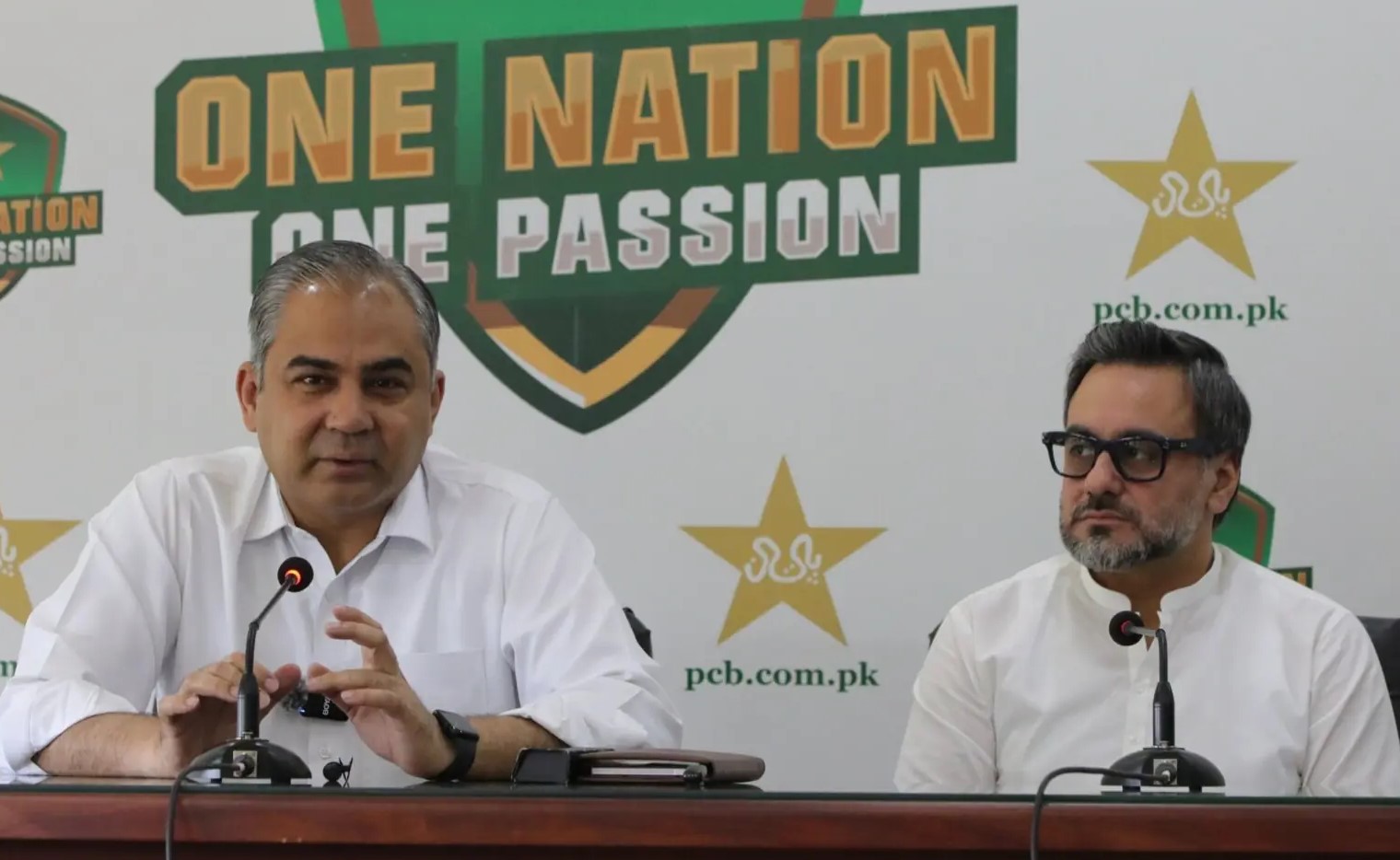
LAHORE (MNN); Chairman of the Pakistan Cricket Board, Mohsin Naqvi, announced that the 11th edition of the Pakistan Super League will proceed as scheduled but without spectators, with matches restricted to Karachi and Lahore.
The tournament, starting March 26, will feature eight teams and 44 matches. Initially planned across six cities — Lahore, Karachi, Rawalpindi, Multan, Peshawar, and Faisalabad — the schedule has been revised following consultations with the government and security agencies.
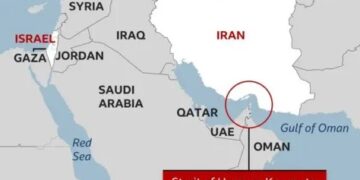
Addressing a press conference, Naqvi said the decision aligns with the government’s austerity drive introduced in response to the US-Israeli war on Iran and the resulting fuel crisis. He noted that allowing large crowds while urging citizens to limit movement would be contradictory.
He termed the no-spectator policy a difficult but necessary step and also announced the cancellation of the opening ceremony to reduce expenses. The PCB will compensate franchises for revenue losses due to the absence of ticket sales.
Matches will now only take place in Karachi and Lahore to minimize travel. Naqvi apologised to fans in Peshawar, where games were originally scheduled, and confirmed that ticket holders will receive refunds within 72 hours.
Players are expected to begin arriving shortly, while the PCB chairman emphasized that postponing the tournament was not feasible due to a lack of available window later in the year. He added that franchises were fully taken into confidence before finalizing decisions.
In a subsequent statement, the PCB said the revised plan aims to ensure efficient use of resources and energy amid prevailing regional conditions. The board expressed confidence that strong broadcast coverage would still make this season widely viewed.
Under the updated schedule, 44 matches will be played over 39 days, with Karachi and Lahore hosting 22 matches each. The opening match between Hyderabad Kingsmen and Lahore Qalandars remains unchanged, while Lahore will host the eliminators and final, and Karachi will stage the qualifier.
The decisions come amid broader government measures, including reduced fuel allowances, a four-day work week, and work-from-home policies, introduced to manage the ongoing fuel crisis.