
























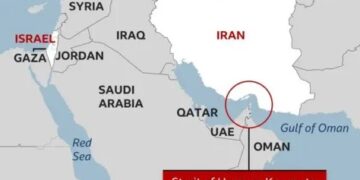






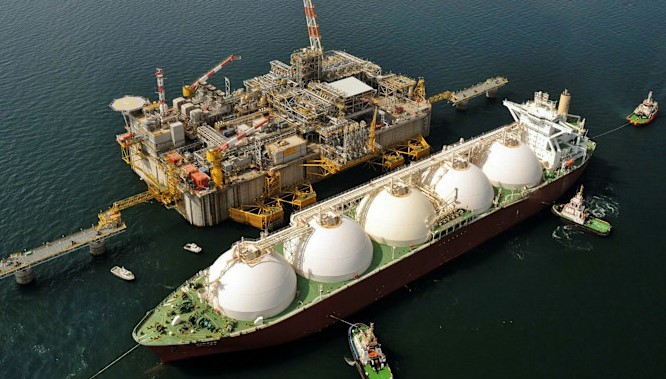
Web Desk (MNN); Iranian attacks have severely impacted Qatar’s energy sector, knocking out nearly 17 percent of its liquefied natural gas (LNG) export capacity and causing an estimated $20 billion in annual revenue losses, according to QatarEnergy.
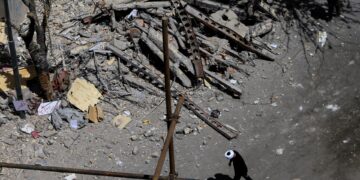
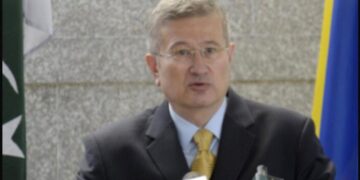
Speaking to Reuters, QatarEnergy CEO Saad al-Kaabi said that two out of the country’s 14 LNG production units (trains) and one gas-to-liquids (GTL) facility were damaged in the strikes. The disruption is expected to remove around 12.8 million tonnes per year of LNG from global supply for the next three to five years.
Kaabi described the attacks as unprecedented, expressing shock that such strikes occurred during Ramadan and allegedly originated from Iran. “I never imagined Qatar and the region would face such attacks, especially from a brotherly Muslim country,” he said.
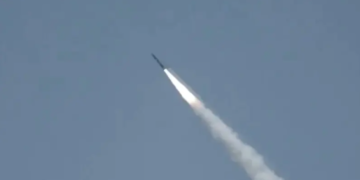
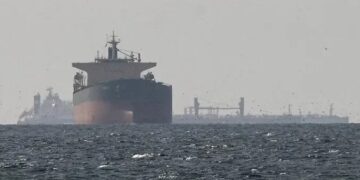
The attacks came shortly after Iran warned it would target oil and gas facilities across the Gulf in response to Israeli strikes on its own gas infrastructure.
Due to the damage, QatarEnergy is expected to declare force majeure on several long-term LNG supply contracts for up to five years. These contracts involve shipments to countries including Italy, Belgium, South Korea, and China.
Kaabi confirmed that the company had already issued a short-term force majeure earlier after previous attacks on the Ras Laffan Industrial City, but the current situation may extend disruptions for years.
He stressed that production cannot resume until hostilities in the region come to an end.
International energy giants are also affected. ExxonMobil holds significant stakes in the damaged LNG units, while Shell is a partner in the affected GTL facility, which may take up to a year to repair.
The damaged LNG units supply key global clients, including energy firms in Europe and Asia, highlighting the global implications of the disruption.
Kaabi warned that the scale of destruction could set the region’s energy infrastructure back by 10 to 20 years and damage its reputation as a stable and secure energy hub.
Beyond LNG, other exports have also been affected. Condensate shipments are expected to drop by around 24 percent, liquefied petroleum gas (LPG) by 13 percent, helium by 14 percent, and both naphtha and sulphur by 6 percent.
These disruptions could have far-reaching consequences, from LPG supplies used in households and restaurants in developing countries to helium needed for advanced industries such as semiconductor manufacturing in South Korea.
The damaged facilities alone had an estimated construction cost of $26 billion, underscoring the scale of the losses.
Kaabi called for restraint, urging all parties — including Israel, the United States, and others — to avoid targeting energy infrastructure, warning that such actions could destabilise global markets and harm economies worldwide.