



































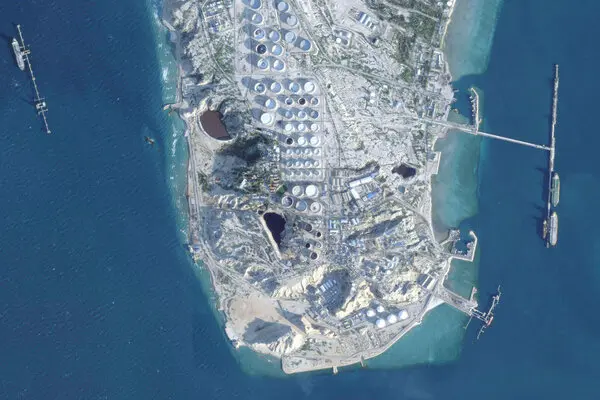
News Desk (MNN); The United Arab Emirates has rejected Iran’s claims that a US strike on Kharg Island originated from Emirati territory, describing Tehran’s position as confused and lacking wisdom, according to international reports.
Anwar Gargash, diplomatic adviser to the UAE president, said the Gulf state has the right to defend itself against what it calls “terrorist aggression,” yet it continues to exercise restraint and prioritise reason, seeking a peaceful solution for Iran and the region.
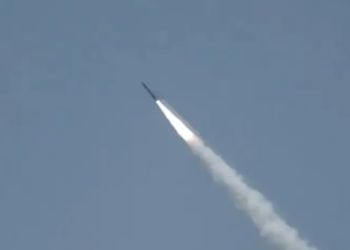
Iran’s semi-official Tasnim news agency reported that the Islamic Revolutionary Guard Corps (IRGC) has launched its 51st wave of strikes, targeting the source of US F‑35 and F‑16 fighter jet armaments. The IRGC statement also claimed to have targeted US bases in the Gulf, including Al Dhafra and Fujairah in the UAE, Jufayre and the Fifth Naval Fleet in Bahrain, Ali Salem in Kuwait, and Al-Azraq in Jordan. It said regional early-warning radar systems linked to Israel were also hit.
Kuwait’s civil aviation authority said several drones struck Kuwait International Airport’s radar system, but no injuries were reported. Qatar reported that four Iranian ballistic missiles and several drones targeted the country, all of which were successfully intercepted by its armed forces.
Operations at the Lanaz refinery in Erbil, northern Iraq, were suspended following a drone-induced fire. Saudi Arabia said two drones were shot down over Riyadh and the eastern regions.
In Iran, at least 10,000 residential homes have been reportedly damaged or destroyed due to US‑Israeli attacks, according to Tehran officials. Hezbollah confirmed that it was engaged in direct clashes with Israeli forces in southern Lebanon, targeting forces in three border villages using light and medium weapons and rocket-propelled projectiles.
Israel has reportedly informed the United States that it is running critically low on ballistic missile interceptors amid the ongoing conflict with Iran. Meanwhile, the US Federal Communications Commission (FCC) has warned broadcasters that they could lose their licenses if they continue spreading “fake news” or distorted reporting regarding the war.
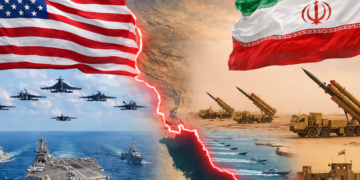
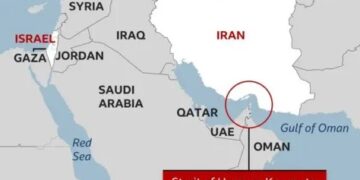
The situation highlights escalating military tensions across the Gulf region, with Iran and US-allied Gulf states exchanging attacks and defensive measures, and regional infrastructure being temporarily disrupted.