


































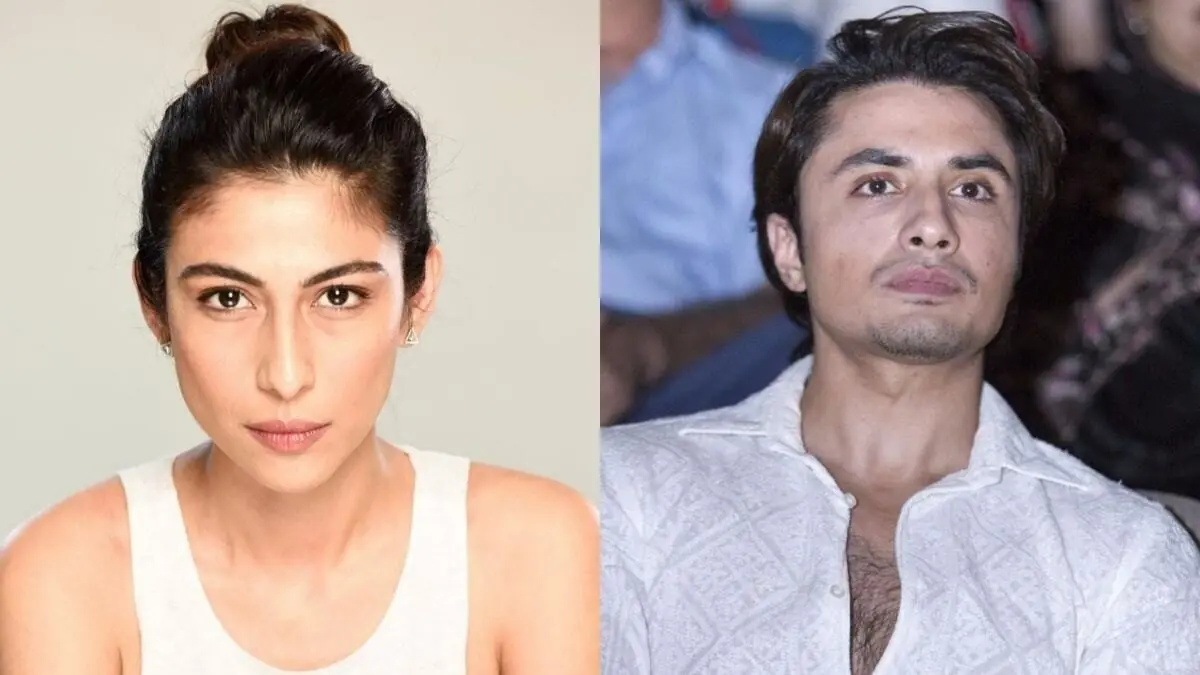
LAHORE (MNN); The Lahore High Court (LHC) on Tuesday upheld a trial court’s interim order restraining singer Meesha Shafi from making public statements regarding sexual harassment allegations against actor-singer Ali Zafar until the conclusion of his defamation suit against her.
Justice Ahmad Nadeem Arshad, in his written verdict, observed that the truth of the allegations could not be determined without proper evidence, and repeated public statements while the matter remains sub judice could amount to a “parallel media trial,” which is neither permissible nor desirable in the interest of justice. Shafi’s plea challenging the gag order issued on January 24, 2019, was therefore dismissed.
Ali Zafar had filed the defamation suit claiming that Shafi’s allegations on social media were false and had damaged his reputation. Alongside the suit, he requested an interim injunction to prevent Shafi from issuing further statements. The trial court had granted this request, ordering that she refrain from making any statement related to the controversy until the suit’s resolution.
Justice Arshad held that there was no legal bar on granting injunctions in defamation cases, especially where unproven allegations could cause irreparable harm to a public figure’s reputation. He emphasized that for professionals whose careers depend on public perception, repeated circulation of false claims could inflict damage that could not be compensated monetarily.
“The allegations, if proven false, strike directly at his dignity, honour, and professional credibility,” the judge noted. He further observed that the petitioner would not suffer irreparable harm by being temporarily restrained from commenting on the matter. The restriction was limited and subject to the final outcome of the suit, ensuring a balance between freedom of expression and the right to dignity.
Justice Arshad directed the trial court to expedite the main defamation case, preferably within 30 days, noting that the matter was at the stage of final arguments. The case arises from Shafi’s social media post on April 19, 2018, alleging sexual harassment by Zafar. Zafar contended that Shafi neither removed the post nor apologized within the stipulated time after receiving a legal notice and demanded Rs1 billion in damages.
The court’s ruling reinforces the principle that reputational rights are protected under law while maintaining temporary restrictions on public statements to ensure fair adjudication.