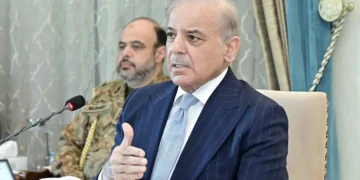

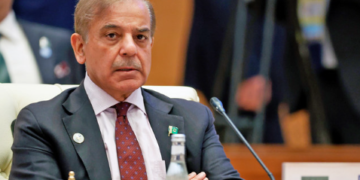





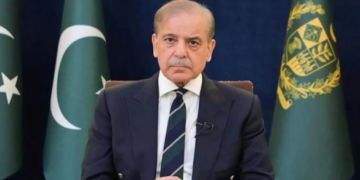













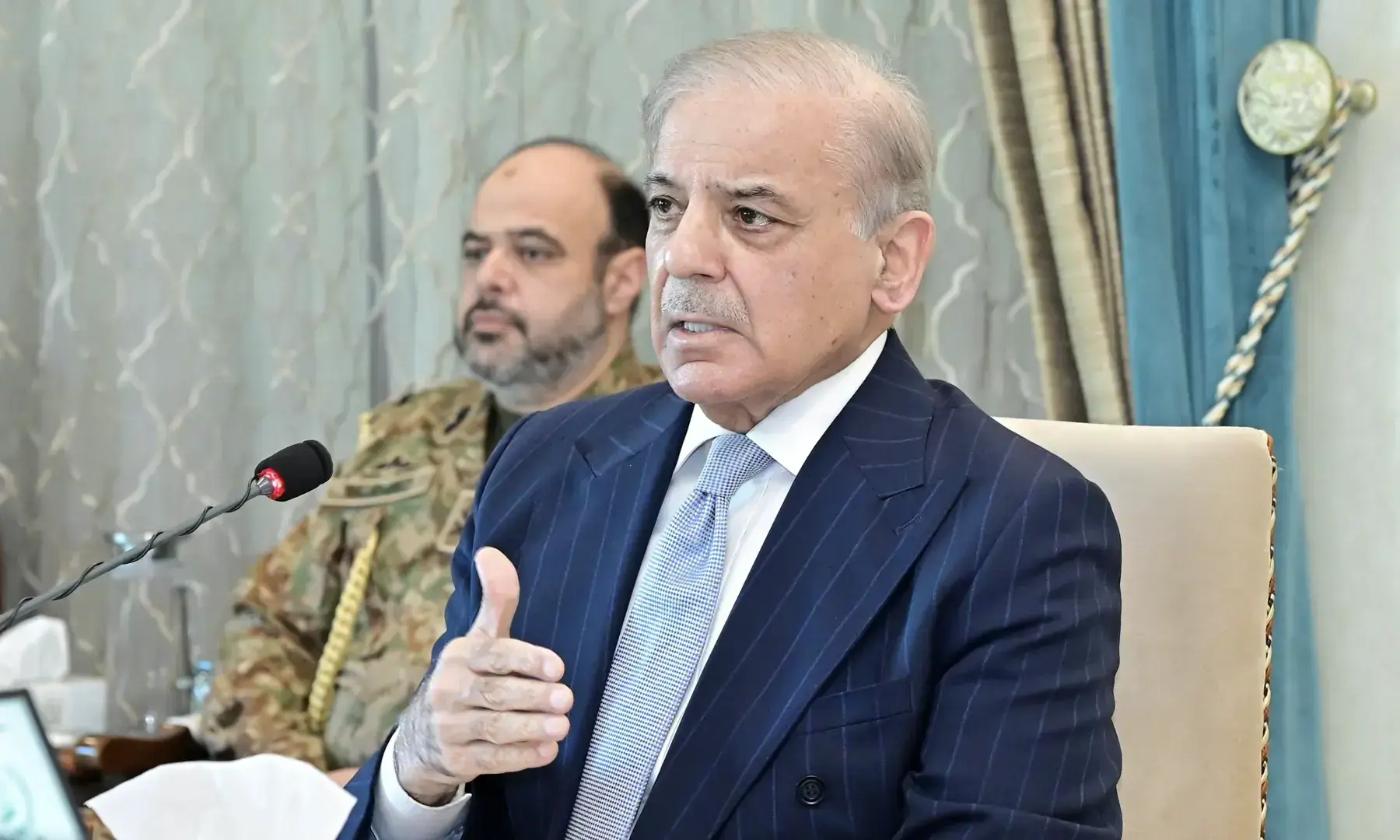
ISLAMABAD (MNN); Prime Minister Shehbaz Sharif on Monday approved the extension of the countrywide austerity drive until June 13 in response to the ongoing global oil crisis triggered by the Middle East conflict.
Global Oil Crisis Behind Extended Measures
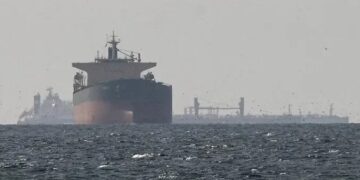
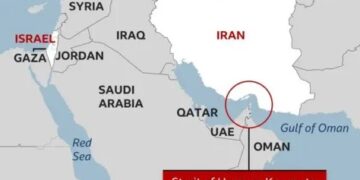
The Middle East war, which erupted following US-Israeli attacks on Iran on February 28, led to sharp disruptions in international oil markets. In view of the worsening fuel situation and rising economic pressures, the government had announced unprecedented austerity and fuel conservation measures on March 9.
According to a notification issued by the Cabinet Division, the prime minister approved the continuation of additional austerity measures on the recommendations of the committee overseeing fuel conservation and implementation of austerity policies.
Key Austerity Measures to Continue
The extended measures include a 50 per cent reduction in fuel allocation for official vehicles, excluding operational and emergency vehicles such as ambulances and public transport buses.
The government has also decided to keep 60 per cent of official vehicles off the roads, while maintaining a complete ban on foreign visits by ministers and government officials, except for visits considered essential in the national interest.
The notification further stated that all previously notified fuel conservation and austerity measures would continue to remain in force for their specified duration. Measures without a defined end date will remain applicable until further orders.
Four-Day Work Week for Government Offices
Among the major measures already in place is the reduction of the working week for government offices to four days, from Monday to Thursday.
However, the additional weekly holiday does not apply to banks, the agriculture and industrial sectors, or essential services including hospitals and ambulance operations.
Salary Cuts and Spending Restrictions
Under the austerity programme, salaries of parliamentarians were reduced by 25 per cent, while employees of state-owned enterprises and government-supervised institutions faced salary reductions ranging from 5 to 30 per cent.
Government departments were also directed to cut operational expenditures by 20 per cent. In addition, restrictions were imposed on the purchase of vehicles, furniture, air conditioners and other non-essential items for government offices.
IB Assigned Monitoring Role
Prime Minister Shehbaz Sharif had earlier tasked the Intelligence Bureau (IB) with conducting a third-party audit to ensure effective implementation of the austerity measures across government institutions.
Fuel Subsidies Also Extended
On April 30, the prime minister also approved a one-month extension in fuel subsidies for motorcyclists, public transport operators and goods transporters.
The subsidies were introduced as part of targeted relief measures for bikers, farmers and transporters to reduce the burden caused by rising global oil prices amid the US-Israel conflict involving Iran.