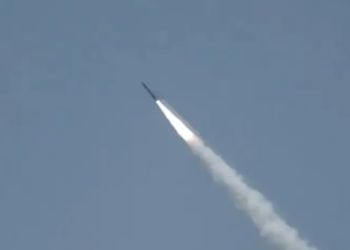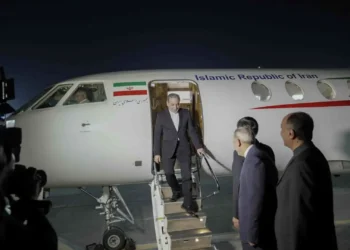
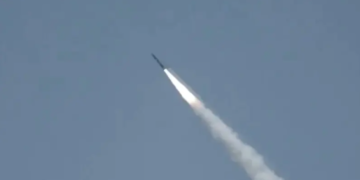



























NEW YORK (MNN); The United Nations Security Council on Wednesday adopted a Bahrain-led resolution strongly condemning Iran’s recent missile and drone attacks on several Gulf countries, escalating tensions across the Middle East.
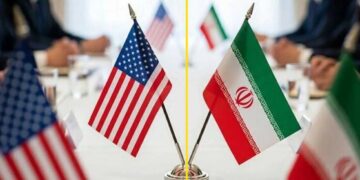
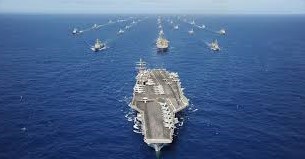
The attacks targeted United States military assets and bases located in Gulf nations and were reportedly carried out by Iran in retaliation for the US and Israeli strikes on Iranian territory that began on February 28.
Those earlier strikes triggered a major regional crisis and also resulted in the assassination of Iran’s former supreme leader Ayatollah Ali Khamenei.
The resolution was drafted by Bahrain on behalf of the Gulf Cooperation Council and received unprecedented international backing with 135 countries co-sponsoring the document, setting a new record at the Security Council.
The previous record of 134 co-sponsors had been set by Resolution 2177 adopted in 2014 during the global Ebola crisis.
Pakistan joined the group of co-sponsoring countries and voted in favour of the resolution, stating that Islamabad was not immune from the security threats created by such attacks and therefore supported collective international action.
During the vote at the 15-member Security Council, the resolution was adopted with 13 members voting in favour, while China and Russia abstained.
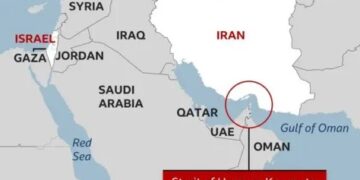
The adopted resolution strongly condemns what it described as “egregious attacks” carried out by Iran against Bahrain, Kuwait, Oman, Qatar, Saudi Arabia, the United Arab Emirates, and Jordan.
It emphasised that such acts represent a clear violation of international law and pose a serious threat to international peace and security.
The Security Council demanded that Iran immediately halt all missile and drone attacks against the Gulf states and Jordan.
The resolution also reaffirmed the right of individual and collective self-defence under Article 51 of the United Nations Charter.
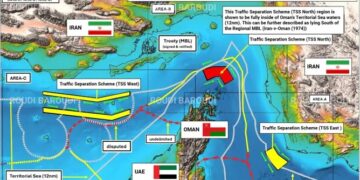
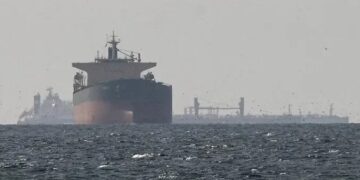
It criticised the deliberate targeting of civilians, critical infrastructure, and commercial shipping, particularly incidents occurring in and around the strategically important Strait of Hormuz.
The council warned that these attacks threaten maritime security, disrupt global trade routes, endanger energy supplies, and negatively affect the international economy.
In addition to condemnation, the resolution also acknowledged mediation efforts undertaken by Gulf Cooperation Council countries and other regional actors to reduce tensions and encourage diplomatic dialogue with Iran.
The Security Council stressed that peaceful dialogue and diplomatic engagement were necessary to prevent further escalation in the already volatile Middle East region.
The resolution reaffirmed the council’s commitment to maintaining peace and stability in the Middle East and reiterated its support for the sovereignty, territorial integrity, and political independence of the Gulf countries and Jordan.
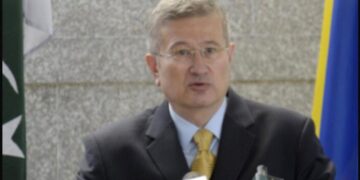
Pakistan’s Permanent Representative to the United Nations, Ambassador Asim Iftikhar Ahmad, addressed the council during the session and emphasised the urgent need for diplomacy.
He said that the initial attacks against Iran on February 28 had already created a dangerous situation that threatened regional and global security.
Pakistan had condemned those attacks as well, he added.
The ambassador warned that the ongoing conflict had serious consequences for countries in the region, including Pakistan.
He revealed that at least two Pakistani citizens had lost their lives during attacks in the United Arab Emirates while millions of other Pakistanis living in Gulf countries remained at risk.
He also pointed out that the ongoing conflict had disrupted vital fuel supply chains and essential aviation links across the region.
Ambassador Asim Iftikhar Ahmad called for an immediate return to diplomacy and dialogue in order to achieve a peaceful resolution to the conflict.
Meanwhile, France’s representative to the United Nations, Jerome Bonnafont, accused Iran of significantly escalating the conflict in recent days.
He stated that Tehran bore substantial responsibility for the current escalation of hostilities.
The French envoy also expressed concern about Iran’s nuclear programme and its support for regional proxy groups.
Bahrain’s ambassador to the United Nations, Jamal Fares Alrowaiei, who introduced the resolution, highlighted the importance of the Gulf region for global stability.
He noted that 135 countries had co-sponsored the resolution presented by Bahrain on behalf of the Gulf Cooperation Council.
He stressed that the Gulf region was a key pillar of global trade, security, and economic stability, and protecting it was therefore in the interest of the entire international community.
Britain’s representative, James Kariuki, also supported the resolution and said the Security Council was right to condemn Iran’s attacks.
He warned that the attacks posed a serious threat and could potentially ignite a wider regional conflict.
During the same session, Russia introduced a separate draft resolution addressing the broader military escalation in the Middle East.
However, that proposal was vetoed by the United States.
The Russian draft received four votes in favour from Russia, China, Somalia, and Pakistan.
The United States and Latvia voted against it, while nine other members abstained.
Earlier during the council debate, Lebanon also addressed the Security Council and said it had been drawn into the ongoing conflict between Israel and Hezbollah without its consent.
Lebanese Ambassador Ahmad Arafa told the council that nearly one million people had been displaced due to continued airstrikes and evacuation warnings.
He said the Lebanese government had rejected Hezbollah’s rocket attack against Israel on March 2, banned the group’s military activities, and was working to restore state authority.
Lebanon also expressed willingness to negotiate a ceasefire under international supervision and urged the international community to support efforts aimed at restoring stability in the region.
Pakistan expressed strong support for Lebanon’s sovereignty and criticised Israel’s military operations in southern Lebanon as illegal.
Pakistani diplomat Ambassador Usman Jadoon urged an immediate cessation of hostilities and called for a full withdrawal of Israeli forces from Lebanese territory.
He emphasised that diplomacy and dialogue must prevail over confrontation to prevent further destabilisation across the Middle East.
The United States, however, defended Israel’s right to self-defence against Hezbollah and Iran.
Meanwhile, both China and Russia reiterated calls for an immediate ceasefire across the region.
France also highlighted the growing humanitarian toll and urged all sides involved in the conflict to respect Lebanon’s sovereignty and ensure the protection of civilians.