
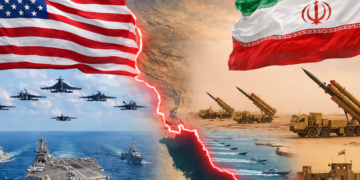















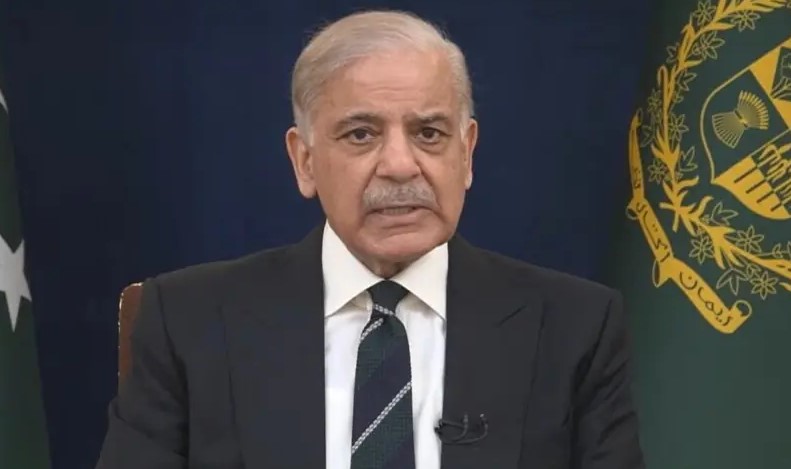
ISLAMABAD (MNN); Prime Minister Shehbaz Sharif on Monday announced a wide-ranging austerity plan aimed at conserving fuel and reducing government expenditures in response to the global energy crisis triggered by the ongoing United States–Israel war with Iran.
Addressing the nation, the prime minister said the government had decided to adopt strict measures for the next two months to manage the impact of rising global oil prices and safeguard the national economy.
Under the plan, the fuel allowance for official government vehicles will be reduced by 50 percent for two months. However, the restriction will not apply to ambulances and public transport buses.
The government has also decided to suspend the use of 60 percent of vehicles currently being used by various government departments during the same period.
In addition, the federal cabinet has agreed to forgo its salaries for two months, while the salaries of parliamentarians will be reduced by 25 percent. The prime minister also announced that two days’ salary of Grade-20 government officials earning more than Rs300,000 per month will be deducted to support public welfare.
The government has further decided to cut operational expenses of federal departments by 20 percent. A ban has also been imposed on the purchase of vehicles, furniture, air conditioners and other non-essential items for government offices.
Prime Minister Shehbaz also announced restrictions on foreign travel for ministers, advisers and senior officials unless the visit is deemed essential for national interests. To save fuel, government departments have been instructed to prioritize teleconferencing and online meetings.
Official dinners, Iftar gatherings and other ceremonial events hosted by government institutions have also been prohibited. Similarly, seminars and conferences will now be held within government premises instead of hotels to reduce expenses.
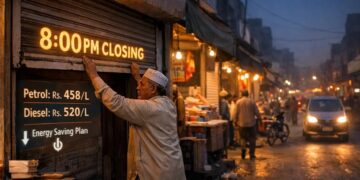
As part of broader fuel and energy conservation efforts, both public and private sector offices have been directed to adopt a work-from-home policy for 50 percent of their staff. Government offices will operate four days a week, although essential services will remain fully functional.
The prime minister also announced that all higher educational institutions will shift to online classes, while schools across the country will observe a two-week break starting from the end of this week.
Provincial governments have been instructed to implement these directives in their respective regions.
PM Shehbaz warned oil hoarders and profiteers against exploiting the crisis, saying that strict legal action would be taken against anyone attempting to manipulate fuel supplies or prices.
Concluding his address, the premier emphasized that the world was currently facing unprecedented challenges and urged the nation to demonstrate unity and collective responsibility during this difficult period.
Earlier in his speech, the prime minister noted that the entire region was witnessing escalating tensions and conflict. He said Pakistan was actively working through diplomatic channels to help de-escalate the situation.
He also highlighted that Pakistan continued to face security challenges along its western borders due to terrorism, adding that the armed forces were addressing these threats under the leadership of Chief of Defence Forces General Asim Munir.
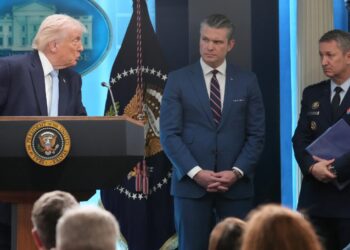
The prime minister strongly condemned the United States and Israeli attacks on Iran, which he said resulted in the assassination of Iran’s Supreme Leader Ayatollah Ali Khamenei.
At the same time, he criticized Iran’s retaliatory strikes on friendly countries including Saudi Arabia, Qatar, the United Arab Emirates, Turkiye, Oman, Kuwait, Bahrain and Azerbaijan.
“These attacks have endangered the stability of the entire region,” he said, adding that he had spoken with leaders of those countries to express Pakistan’s solidarity.
“We stand shoulder to shoulder with these nations. Their security and stability are closely linked with Pakistan’s own stability,” he added.
The premier also pointed out that global oil prices had surged to more than 100 dollars per barrel due to the ongoing conflict. He warned that if the situation continued to deteriorate, energy prices could rise even further.
He noted that Pakistan relies heavily on oil and gas imports from the Gulf region, which makes the country particularly vulnerable to global price fluctuations.
Prime Minister Shehbaz acknowledged that increasing petroleum prices domestically was a difficult decision. He said the government had been advised to impose even larger increases but had tried to limit the burden on the public.
Recalling Pakistan’s recent economic challenges, he said the country had been on the brink of default in the recent past but managed to stabilize the economy through collective efforts and public patience.
He noted that inflation had declined, the value of the rupee had stabilized and electricity prices had also eased in recent months.
However, he cautioned that international oil prices could rise further in the coming days. “We are working day and night to ensure that the burden on the public remains as limited as possible,” he said.
The announcement of austerity measures comes after the government faced criticism from political allies, opposition parties and the public for raising petrol and diesel prices by up to Rs55 per litre.
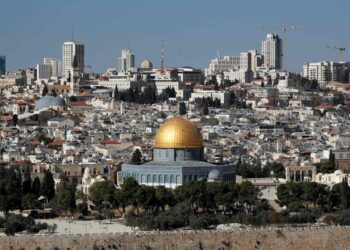
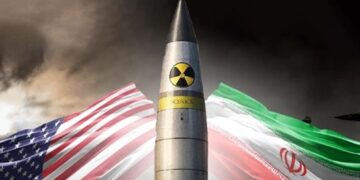
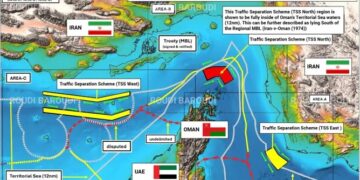
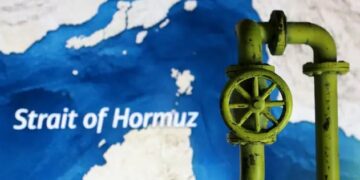
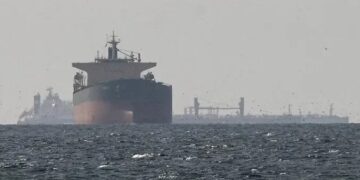
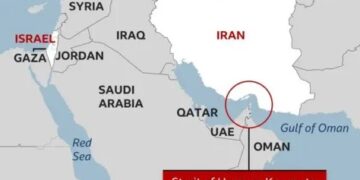
The ongoing conflict between the United States, Israel and Iran has disrupted energy supplies in the Middle East, affecting oil production in Iraq and blocking the Strait of Hormuz, a key route that carries nearly one-fifth of the world’s oil supply.
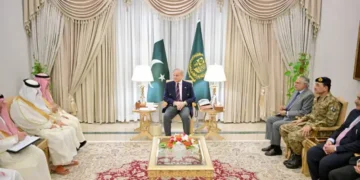
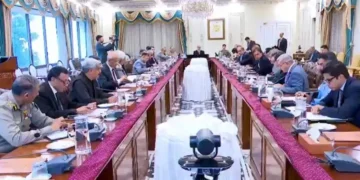
During a meeting held on Sunday to review the austerity plan, the prime minister emphasized that the burden of economic adjustment should be shared across all segments of society.
He stressed that the elite and privileged classes must set an example by adopting austerity and responsible spending during the crisis.
Officials also informed the meeting that Pakistan currently has sufficient reserves of petrol and diesel and that precautionary measures had already been taken to deal with any potential supply disruptions.