


























NEWS DESK (MNN); Iran has clarified that the strategic Strait of Hormuz has not been closed and that Tehran has no immediate intention of shutting the crucial global oil shipping route despite the escalating war in the region.
Iran’s Deputy Foreign Minister Saeed Khatibzadeh rejected reports that the waterway had been blocked, saying Iran would make an official announcement if such a decision were ever taken.
“We have not closed the Strait of Hormuz. If we decide to close it, we will announce it. We have no intention of doing so until further notice,” he said.
Khatibzadeh described Iran as a responsible power in the Persian Gulf and said the country remained committed to maintaining stability and freedom of navigation in the region.
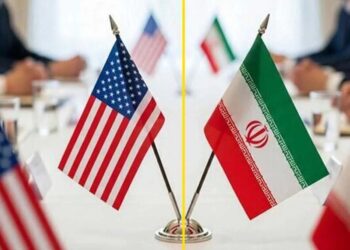
The clarification comes amid growing concerns about the safety of maritime trade as the nearly week-long conflict that began with attacks on Iran by the United States and Israel continues to escalate, raising casualties and expanding beyond the Middle East.
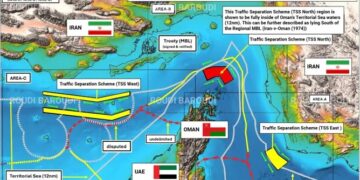
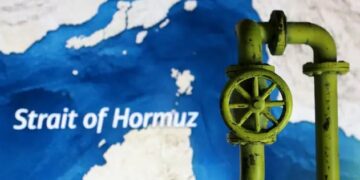
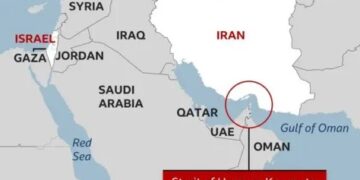
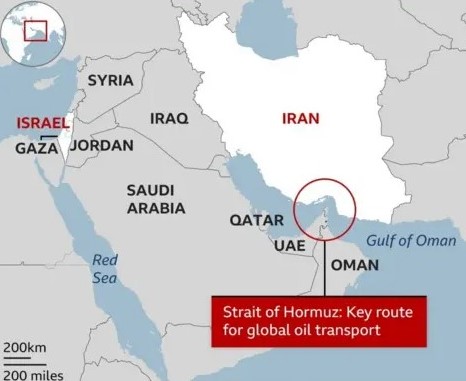
The Strait of Hormuz is considered the world’s most vital energy corridor. Nearly one-fifth of the world’s crude oil and liquefied natural gas passes through the narrow waterway connecting the Persian Gulf with the Gulf of Oman and the Arabian Sea.
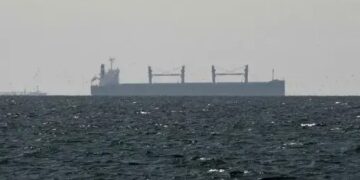
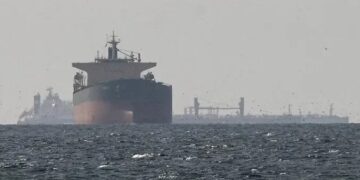
Although Iran says the strait remains open, shipping activity has been severely disrupted due to security fears. Reports indicate that tanker traffic dropped dramatically, with the number of vessels passing through the strait falling to zero on Wednesday from around 37 ships daily before the conflict began.
The disruption has already affected global markets, with oil prices rising by around 16 per cent since the war started.
Qatar’s Energy Minister Saad al-Kaabi warned that all Gulf energy producers could be forced to halt exports within weeks if the conflict continues and blocks shipping through the strait. He told the Financial Times that oil prices could surge to as high as 150 dollars per barrel if tankers remain unable to pass through the waterway.
Kaabi said Qatar had already halted production of liquefied natural gas earlier this week amid retaliatory strikes by Iran on Gulf countries. Qatar’s LNG production accounts for about 20 per cent of global supply and plays a crucial role in meeting energy demand in Asian and European markets.
He also warned that the conflict could delay QatarEnergy’s major North Field expansion project, which was expected to begin production in mid-2026.
Analysts say prolonged disruption in the Strait of Hormuz could shake global energy markets and disrupt international trade. Intelligence sources warn that drone and missile attacks could affect shipping routes for months.
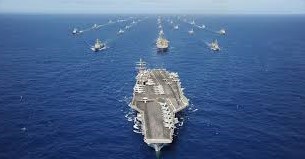
Meanwhile, the United States has indicated that its navy could escort oil tankers through the strait if necessary to ensure the continued flow of energy supplies.
Beyond energy markets, experts warn that Gulf countries could also face food security challenges. Around 70 per cent of food imports to Gulf Cooperation Council countries pass through the Strait of Hormuz, making the waterway critical not only for energy but also for regional supply chains.