






















































ISLAMABAD (MNN); The Federal Constitutional Court (FCC), established under the 27th Constitutional Amendment, began its proceedings on November 18 from temporary premises at the Islamabad High Court (IHC). However, more than 40 days later, the court has yet to move to its designated location.
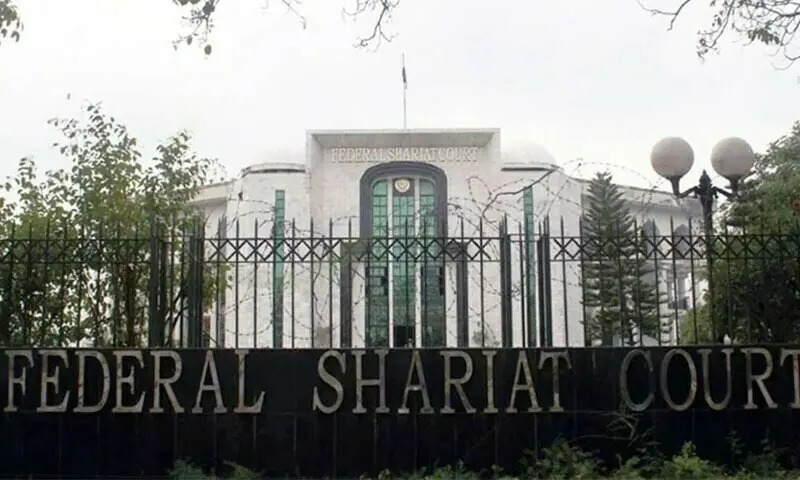
A December 11 notification specified that the FCC would be housed in the Federal Shariat Court (FSC) building, while the FSC would shift to the IHC. While the FSC has relocated, renovation work in the FSC building is ongoing, and experts say at least another week is needed before the FCC can commence work there. The court will continue to operate from the IHC in the meantime.
The FCC faces several operational hurdles, including a critical shortage of staff. Only 20 officials were approved for transfer by the Supreme Court, with an additional 40 judicial officers moved from the Punjab judiciary and some retired Supreme Court officers inducted. Out of 56,608 pending cases, 22,910 were transferred from the Supreme Court to the FCC. Experts have noted that to handle this substantial backlog efficiently, more staff should have been deployed.
Currently, seven judges are hearing cases at the FCC, but no new appointments have yet been made despite the heavy caseload. Government sources indicated that additional judges will be appointed once logistical challenges are resolved. A senior official also observed that the FCC could have temporarily operated from the Supreme Court premises, which could have provided three spare courtrooms.
Meanwhile, a three-member FCC bench led by Chief Justice Amin-ud-Din Khan is set to hear the high-profile super tax case on Monday. This matter, previously heard nearly 50 times by the Supreme Court’s Constitutional Bench, involves Sections 4B and 4C of the Income Tax Ordinance, 2001. The dispute has major fiscal and constitutional implications, raising questions on parliamentary taxing powers, equality before the law, and the scope of judicial review in fiscal matters.
Section 4B, introduced through the Finance Act, 2015, imposed a “super tax” on high-income individuals and corporations earning above Rs500 million. Initially intended as a temporary measure to support displaced persons, it has been extended through subsequent finance acts, drawing multiple constitutional challenges. High courts in Lahore, Sindh, Islamabad, and Peshawar upheld the validity of Section 4B, confirming that double taxation is not unconstitutional and affirming parliament’s wide powers under Articles 73 and 77.
Section 4C, introduced in the Finance Act 2022, expanded the super tax to entities earning over Rs150 million, imposing rates up to 10% on major sectors including banking, oil, gas, cement, sugar, textiles, and automobiles. The Federal Board of Revenue projected that Section 4C would generate approximately Rs250 billion in additional revenue for the 2022-23 tax year, reflecting the unprecedented fiscal scale of this measure.
The FCC’s hearing of this case marks a critical moment in Pakistan’s legal and fiscal landscape, with implications for corporate taxation, parliamentary authority, and revenue collection.