




























ISLAMABAD (MNN); Transport fares across Pakistan have increased significantly after the government announced a record hike in petroleum product prices, raising the cost of travel for millions of passengers.
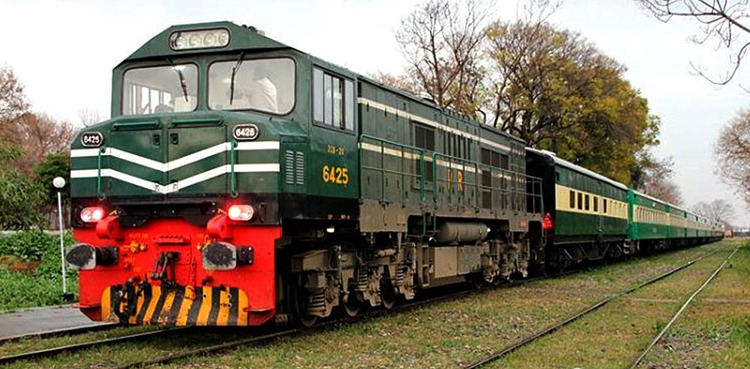
Pakistan Railways on Saturday increased passenger train fares, raising economy class ticket prices by five percent and air-conditioned class fares by 10 percent. The national railway operator also announced a 20 percent increase in cargo train fares.
According to a spokesperson for Pakistan Railways, the revised fares will take effect from Monday, March 9. However, passengers who have already booked their tickets in advance will not be affected by the new rates.
The spokesperson added that Pakistan Railways would continue to absorb part of the additional operational expenses for passenger trains despite rising fuel costs.
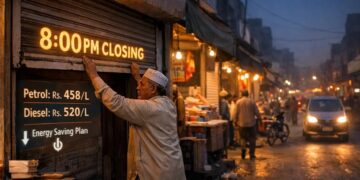
The fare increase comes shortly after the federal government raised petrol and high-speed diesel prices by Rs55 per litre — the largest single increase in the country’s history.
Under the new prices, the ex-depot rate of high-speed diesel has been set at Rs335.86 per litre, up from Rs280.86, representing an increase of about 20 percent. Similarly, petrol prices have risen from Rs266.17 to Rs321.17 per litre, reflecting an increase of nearly 17 percent.
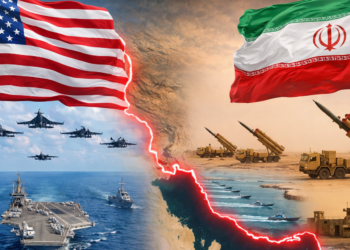
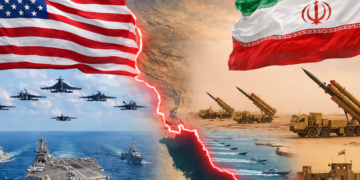
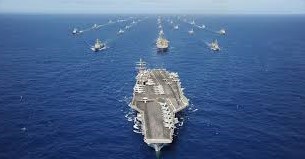
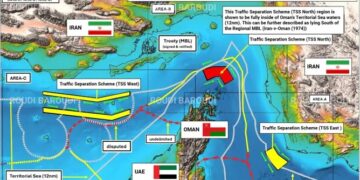
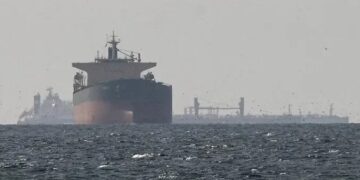
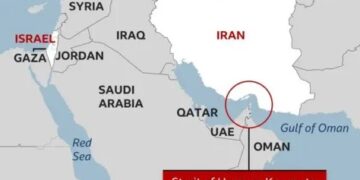
Officials said the decision was taken amid disruptions in oil supplies passing through the Strait of Hormuz, following escalating tensions and military conflict involving the United States, Israel and Iran.
Pakistan relies heavily on oil shipments passing through the strategic maritime route, making the country particularly vulnerable to supply disruptions and global price shocks.
Meanwhile, the surge in fuel prices has also triggered a sharp increase in intercity bus and public transport fares across the country.
According to reports, transporters have raised fares on several major routes by between Rs300 and Rs600, adding to the financial burden on travellers.
The fare from Lahore to Islamabad has increased from Rs2,600 to Rs3,000, while the Lahore-Peshawar route has risen from Rs2,890 to Rs3,500.
Similarly, the Lahore-Sargodha fare has increased from Rs1,300 to Rs1,550, while the Lahore-Faisalabad route has gone up from Rs1,200 to Rs1,350.
Long-distance routes have also witnessed notable increases. The fare from Lahore to Karachi has been raised from Rs8,000 to Rs8,600, while the Lahore-Hyderabad route has increased from Rs8,650 to Rs9,200.
Other increases include the Lahore-Rahim Yar Khan route, which has risen from Rs4,000 to Rs4,250, and the Lahore-Murree route, which has jumped from Rs2,790 to Rs3,300.
Passengers at bus terminals expressed concern over the rising cost of travel, saying that soaring inflation has already made daily life difficult.
Many commuters said that travelling to other cities for family events, emergencies or work had become increasingly unaffordable for ordinary citizens.
Transporters, however, defended the fare hikes, arguing that rising fuel prices and the increasing cost of vehicle spare parts had made operations significantly more expensive.
They said that without adjusting fares, it would be difficult to continue operating transport services.
Citizens have urged the government to reduce petrol prices to prevent further increases in the cost of living and transportation.