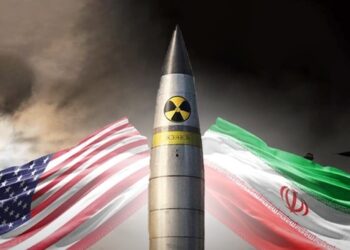





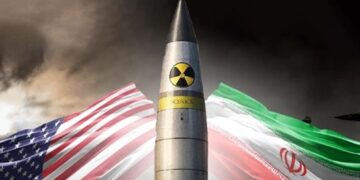
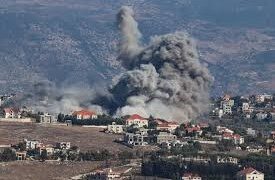

















NEWS DESK (MNN); Iranian authorities have formed a three-member interim leadership council to govern the country following the killing of Supreme Leader Ali Khamenei in joint Israeli and United States strikes.
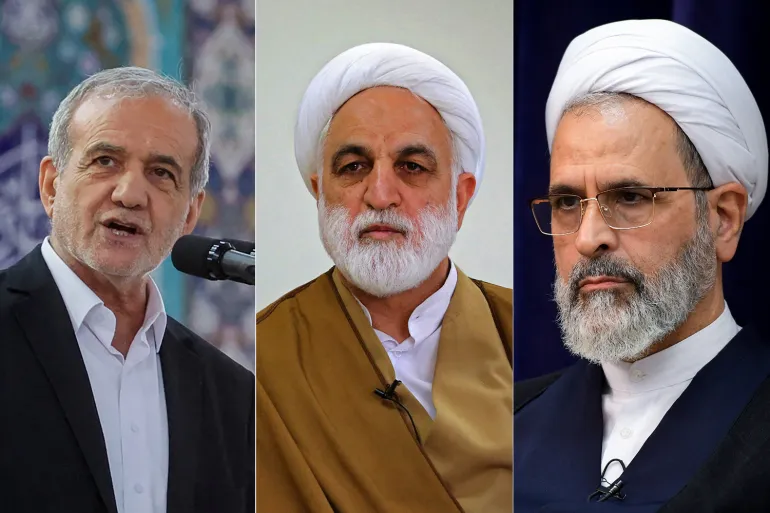
Under Article 111 of Iran’s Constitution, a temporary council assumes the duties of the supreme leader until a successor is formally selected. The newly announced body comprises President Masoud Pezeshkian, Judiciary Chief Gholam-Hossein Mohseni-Ejei, and Guardian Council member Ayatollah Alireza Arafi.
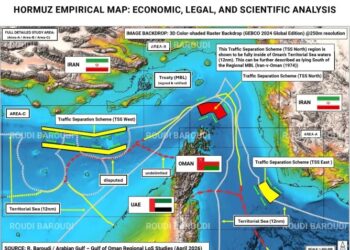
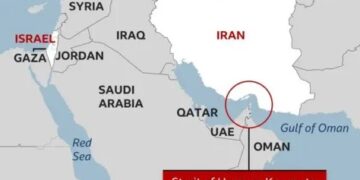
The Iranian government has vowed retaliation for Khamenei’s assassination, declaring it a “historic crime,” and has already launched strikes targeting Israeli and US-linked assets across Gulf countries.
Who Is on the Interim Council?
Ayatollah Alireza Arafi
Arafi has served on the powerful Guardian Council since 2019, an oversight body responsible for ensuring legislation complies with Islamic law and for supervising elections. He is also deputy chairman of the Assembly of Experts, the institution tasked with appointing and monitoring the supreme leader. Based in Qom, Iran’s religious hub, Arafi leads Friday prayers and oversees the country’s seminary system.
Masoud Pezeshkian
Seventy-one-year-old Pezeshkian, a heart surgeon and reformist politician, was elected president in 2024. A veteran of the Iran-Iraq War, he previously served as health minister under former President Mohammad Khatami and later represented Tabriz in parliament. Pezeshkian has advocated economic stabilisation and diplomatic engagement while maintaining loyalty to Iran’s constitutional structure. Following Khamenei’s death, he pledged that Iran would avenge those responsible.
Gholam-Hossein Mohseni-Ejei
Mohseni-Ejei has headed Iran’s judiciary since 2021, appointed by Khamenei. A prominent conservative figure, he earlier served as intelligence minister and prosecutor-general. Known for his hardline stance, he previously vowed strict action against protesters during economic unrest and accused the US and Israel of backing domestic disturbances.
Meanwhile, US President Donald Trump has openly called for political change in Iran, urging citizens to rise against their government in remarks following the strikes.
Iran’s religious leadership has initiated the constitutional process to appoint a new supreme leader, a transition expected to shape the country’s political future amid escalating regional tensions.