

























By : Muhammad Zaeem Saqib
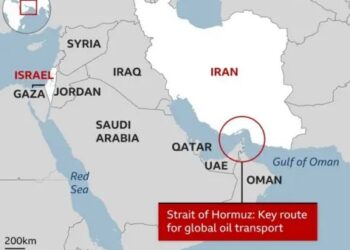
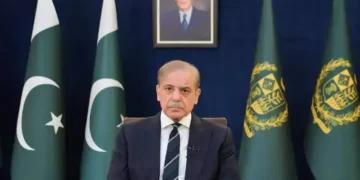
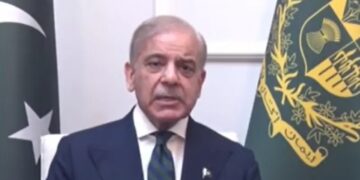
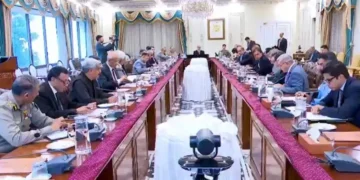
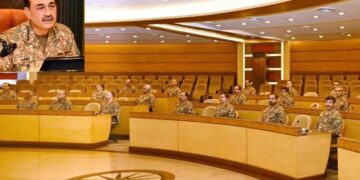
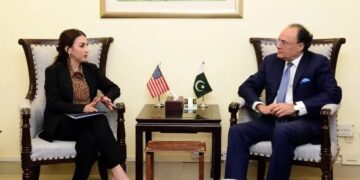
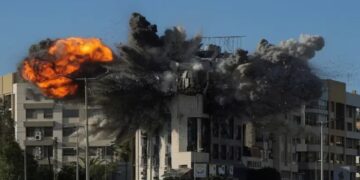
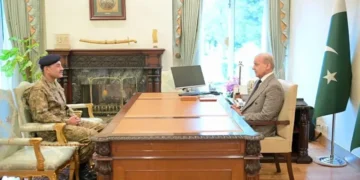
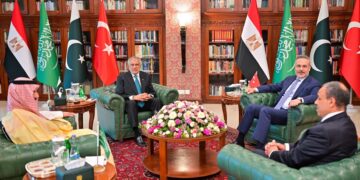
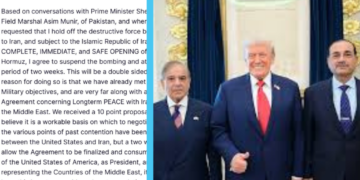
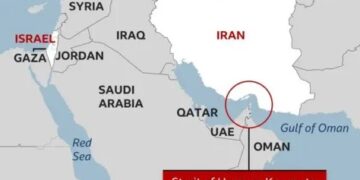
The Middle East has long been a region characterized by geopolitical complexities, historical conflicts, and ongoing tensions that shape the global political landscape. In recent times, the current situation in the Middle East remains tense, especially involving key players such as Iran, the United States, and Israel. These nations’ interactions, policies, and strategic interests continue to influence regional stability and security. Additionally, Pakistan’s role as a mediator and facilitator of ceasefires underscores its significance in promoting peace and stability in this volatile region. Prime Minister Shehbaz Sharif and Chief of Defence Forces (CDF) General Asim Munir have emphasized Pakistan’s commitment to playing a constructive role, particularly in fostering dialogue and conflict resolution between conflicting parties. Furthermore, recent talks between the USA and Iran signal a potential shift toward diplomacy, which could have far-reaching implications for regional peace.
The current geopolitical landscape in the Middle East is marked by a mixture of ongoing conflicts, diplomatic efforts, and strategic alliances. Iran remains at the heart of regional tensions, primarily due to its nuclear program, regional influence, and its relationships with various proxy groups across the Middle East. The United States has historically maintained a complex relationship with Iran, oscillating between periods of sanctions, negotiations, and confrontations. The Trump administration’s withdrawal from the Iran nuclear deal in 2018 and the re-imposition of strict sanctions significantly heightened tensions, leading to increased hostility and instability. However, recent developments suggest a renewed interest in diplomacy, with talks between the USA and Iran indicating a possible pathway toward de-escalation.
Israel views Iran’s regional ambitions as a direct threat to its security. The ongoing conflict between Israel and Palestinian groups, coupled with Iran’s support for Hezbollah in Lebanon and other militant factions, perpetuates a cycle of violence and distrust. Pakistan’s role as a mediator and advocate for peace is noteworthy. Historically, Pakistan has maintained a policy of neutrality and dialogue, aiming to foster stability rather than exacerbate conflicts. Prime Minister Shehbaz Sharif has repeatedly emphasized Pakistan’s commitment to peace in the Middle East and its willingness to facilitate dialogue between conflicting parties. Chief of Defence Forces General Asim Munir has underscored the importance of diplomacy, regional cooperation, and conflict containment. Pakistan’s strategic location, diplomatic ties, and reputation as a mediator position it uniquely to contribute to ceasefire arrangements and peace negotiations.
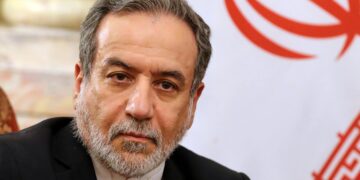
Recent talks between the United States and Iran have garnered considerable attention, as they signal a possible thaw in diplomatic relations. The primary focus of these talks revolves around Iran’s nuclear program, regional influence, and the lifting of sanctions that have severely impacted Iran’s economy. Improved US-Iran relations could reduce proxy conflicts and promote stability in conflict-prone areas such as Iraq, Syria, Lebanon, and Yemen. It could also open avenues for broader regional cooperation, including efforts to counter extremism and promote economic development.
Delegations from the US and Iran are set to arrive in Islamabad on April 10 for talks aimed at achieving a conclusive agreement to settle all disputes and bring peace to the region.
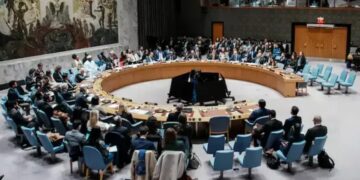
The current situation in the Middle East is complex and dynamic, with multiple actors and conflicting interests shaping the regional landscape. Pakistan’s role as a mediator and advocate for peace is vital, with Prime Minister Shehbaz Sharif and Chief of Defence Forces General Asim Munir emphasizing the importance of diplomacy, ceasefires, and regional cooperation. The efforts of Pakistan, combined with the evolving US-Iran talks, offer hope for a more stable, peaceful Middle East. Continued international engagement, dialogue, and commitment to peaceful resolution are essential to transforming this volatile region into one of stability and cooperation, ultimately benefiting not only the Middle East but the wider world .