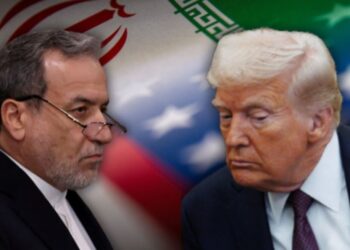














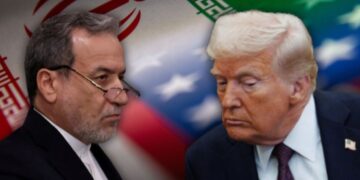




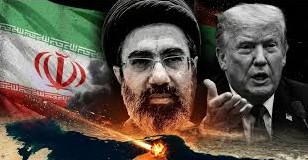

























NEWS DESK (MNN); Pakistan has delivered a proposal from the United States to Iran, with Islamabad or Ankara being considered as potential venues for talks aimed at de-escalating tensions in the Gulf, a senior Iranian official told Reuters.
In response, Tehran rejected the US proposal and instead presented a five-point counterproposal through Pakistan for onward transmission to Washington.
The remarks, made by an official on condition of anonymity, indicated that Iran was at least considering diplomatic engagement, despite publicly denying any willingness to negotiate with the administration of US President Donald Trump.
However, later developments revealed that Iran formally rejected the US plan and outlined specific conditions under which it would agree to end the conflict.
The Iranian source did not disclose details of the US proposal or confirm whether it matched a reported 15-point plan. The official added that Pakistan or Türkiye were being considered as venues for possible negotiations.
Meanwhile, Israeli officials said Prime Minister Benjamin Netanyahu had briefed his security cabinet on the proposal, which reportedly includes curbs on Iran’s nuclear and missile programmes and its regional influence.
Separately, Iran’s ambassador to Pakistan, Reza Amiri Moghadam, denied that any direct or indirect negotiations had taken place between Tehran and Washington, stating that reports circulating in the media were not accurate.
On the diplomatic front, Malaysian Prime Minister Anwar Ibrahim welcomed Pakistan’s initiative to host dialogue, praising Prime Minister Shehbaz Sharif for offering a constructive platform at a critical moment.
He urged both the US and Iran to respond positively and emphasised that any negotiations must be based on genuine intent to end the conflict rather than manage it strategically. He also reaffirmed Iran’s right to self-defence under international law, particularly in light of continued Israeli strikes.
Prime Minister Anwar further warned against escalation, calling on all sides to exercise restraint and avoid drawing Gulf states deeper into the conflict, noting the serious economic and regional stability risks involved.
Earlier, Prime Minister Shehbaz Sharif formally offered Islamabad as a venue for talks, stating Pakistan’s readiness to facilitate meaningful negotiations between the US and Iran.
The move followed reports that Pakistan, Türkiye and Egypt had persuaded Washington against targeting Iranian energy infrastructure, which could have significantly escalated the conflict.
Sources familiar with the matter suggested that the proposal for Pakistan to host talks may have originated from Washington itself, noting that President Trump had shared the Pakistani premier’s statement on his social media platform.
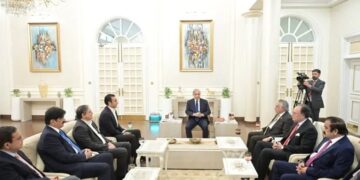
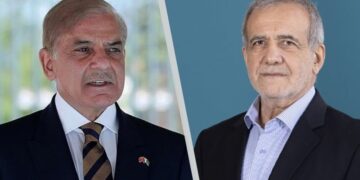
Behind the scenes, intense diplomatic engagement has taken place. Deputy Prime Minister and Foreign Minister Ishaq Dar remained in close contact with Iranian Foreign Minister Abbas Araghchi, while Prime Minister Shehbaz held multiple discussions with Iranian President Masoud Pezeshkian.
Military and civilian leadership also engaged key international stakeholders, including contacts with US officials and high-level meetings in Saudi Arabia, involving Crown Prince Mohammed bin Salman.
Officials described these coordinated diplomatic efforts as part of a broader strategy that ultimately led to Pakistan offering itself as a mediator.
Analysts noted that Pakistan has historically played key mediation roles, including facilitating contacts between Washington and Beijing in the 1970s under Henry Kissinger, as well as supporting negotiations involving regional actors in past conflicts.