








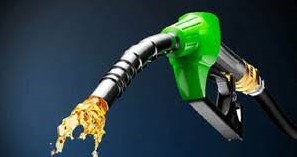




































ISLAMABAD (MNN); The government has finalised a mobile application-based fuel quota system aimed at providing targeted subsidies to low-income groups while curbing oil consumption through controlled pricing.
According to officials, the system has been developed and tested by the Oil and Gas Regulatory Authority in coordination with the ministries of finance, petroleum and information technology.
The scheme is primarily designed for two- and three-wheelers, though the government is still considering whether to extend it to small cars up to 800cc.
The plan introduces a fully automated, quota-based fuel distribution system operated through mobile applications. Retailers will receive a pre-installed application, while consumers will use a separate app to access subsidised fuel.
Under the mechanism, each fuel station will be required to maintain at least two mobile devices to run the system. The Ministry of Information Technology is working with manufacturers to provide specialised phones, with estimated costs ranging from Rs36,000 to Rs72,000. Petrol pumps will deposit funds into designated government accounts for device procurement.
The quota system will link vehicle registration numbers with users’ Computerised National Identity Card details. Consumers will generate digital vouchers through the app, which retailers will scan to verify fuel eligibility. If a user exceeds their quota, only the permitted quantity will be issued.
Officials said the model is similar to the Ramazan relief package system and is intended to ensure transparency and efficiency.
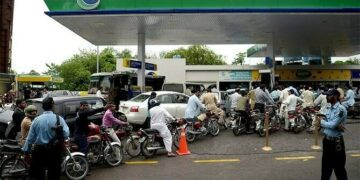
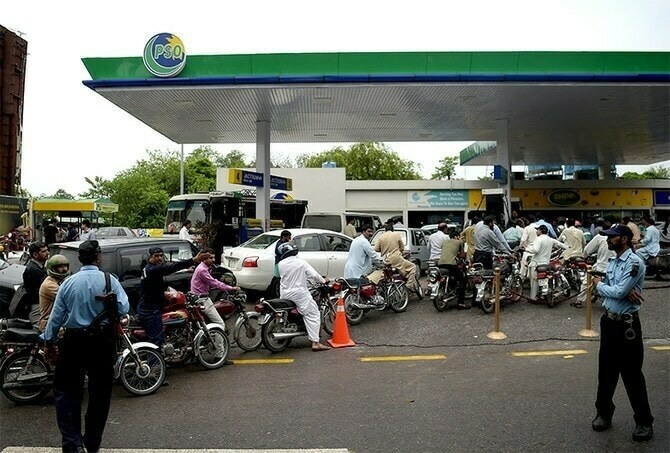
The government plans to offer subsidies mainly for motorcycles and rickshaws, with dedicated fuel dispensers at petrol stations. A final decision is yet to be made on whether small cars will also receive subsidies.
Oil marketing companies will appoint focal persons at each retail outlet, whose details will be shared with authorities for monitoring and complaint resolution. The IT ministry will also provide training and tutorials for system usage.
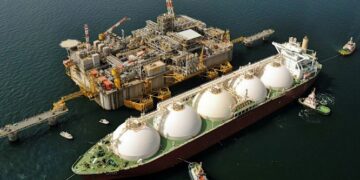
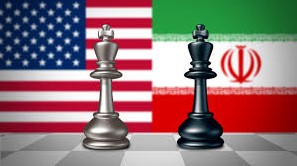
Officials noted that Pakistan is facing pressure on fuel supply chains due to rising global oil prices, partly driven by disruptions in the Strait of Hormuz amid the Middle East conflict.
Despite economic challenges, fuel demand remains high, with the government bearing significant fiscal costs to keep prices stable. Over the past two weeks alone, maintaining current petrol and diesel prices has cost an estimated Rs70 billion.
Authorities believe that adjusting fuel prices in line with global trends could encourage conservation and reduce unnecessary consumption. Meanwhile, parallel diplomatic efforts are ongoing with regional countries to manage the broader situation.