




























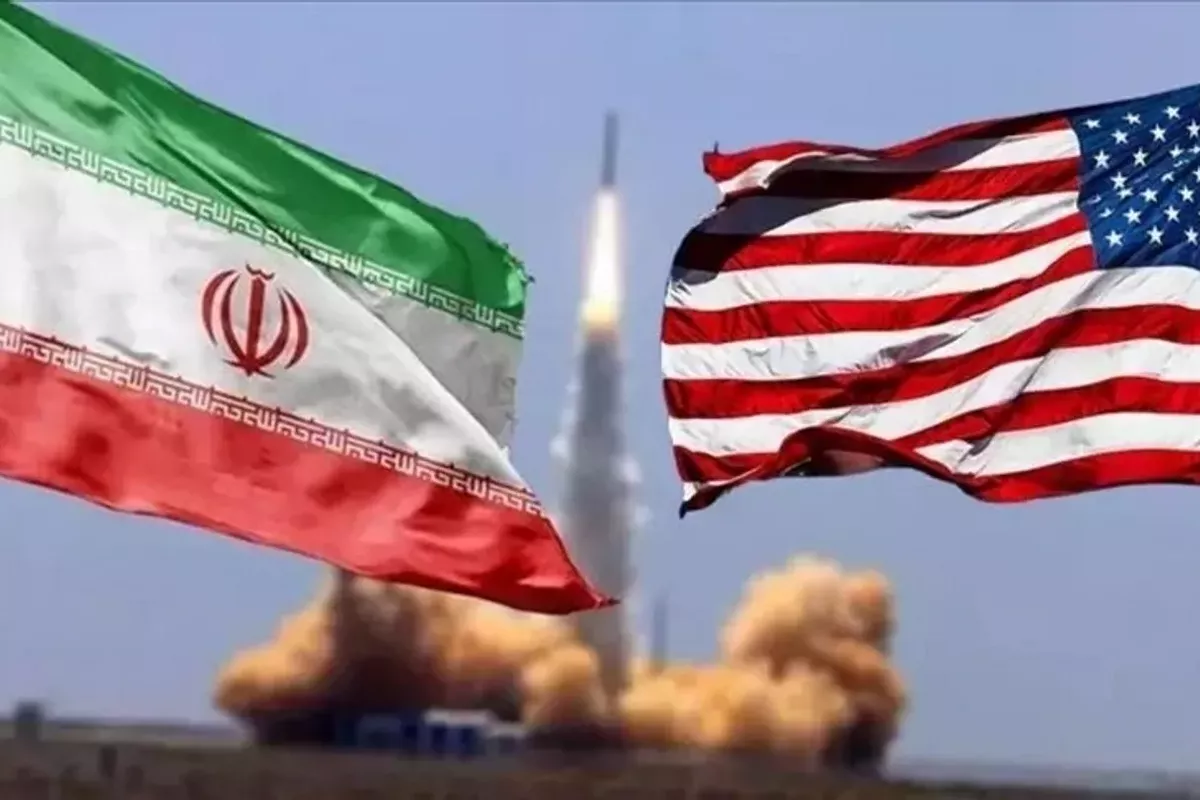
Web Desk (MNN); Nuclear negotiations between Iran and the United States are set to take place on Friday in Oman, Iranian Foreign Minister Abbas Araghchi announced, despite heightened tensions following Tehran’s violent crackdown on nationwide protests last month.
The announcement came after earlier indications that the talks were at risk due to disagreements over their format, scope and venue. In a post on X, Araghchi thanked Oman for facilitating and arranging the meeting.
Earlier in the day, a regional official said Iran was seeking a different format than the one initially proposed by Turkey, with talks limited strictly to Iran’s nuclear programme and participation confined to Iran and the United States. The official spoke anonymously due to lack of authorisation to brief the media.
The Trump administration later confirmed that Washington would participate in high-level talks with Iran in Oman instead of Turkey, as originally planned. A White House official said several Arab and Muslim leaders had urged the US not to abandon diplomacy, even as Iran pushed to narrow the agenda and change the location.
The official added that while the White House remains sceptical about the prospects of success, it agreed to the revised plan out of respect for regional allies.
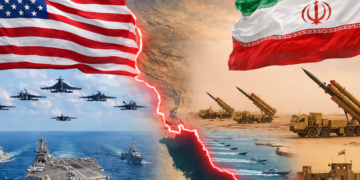
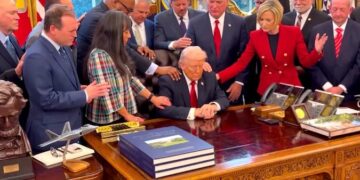
Tensions escalated after US President Donald Trump suggested possible use of force against Iran over its handling of protests, while also pressing Tehran to curb its nuclear programme.
Iran’s reformist President Masoud Pezeshkian said on Tuesday that he had instructed the foreign minister to pursue fair and balanced negotiations with the US, signalling rare openness to talks. The move appeared to have the backing of Supreme Leader Ayatollah Ali Khamenei, who had previously rejected negotiations.
US Secretary of State Marco Rubio said Washington hoped discussions would extend beyond the nuclear issue to include Iran’s ballistic missile programme, its support for regional proxy groups and human rights concerns.
Vice President JD Vance said diplomacy with Iran was complicated due to its political system, stressing that President Trump’s position was clear that Iran must not be allowed to acquire a nuclear weapon.
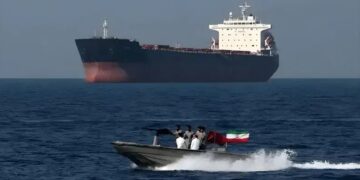
Meanwhile, military tensions persisted. On Tuesday, a US Navy jet shot down an Iranian drone near an American aircraft carrier, while Iranian Revolutionary Guard fast boats attempted to intercept a US-flagged vessel in the Strait of Hormuz. Iran did not immediately comment on either incident.
On Wednesday, Iranian military leaders visited a missile base housing the Khorramshahr missile, capable of travelling over 2,000 kilometres, in a show of readiness following last year’s conflict with Israel.
The same day, Turkish President Recep Tayyip Erdogan reiterated opposition to foreign intervention in Iran, urging dialogue to resolve disputes. Turkey had been actively working to facilitate talks and was initially expected to host them.