




























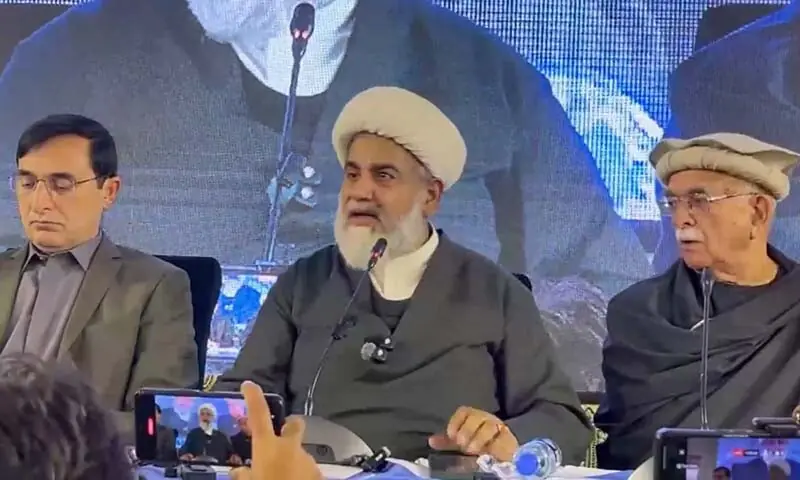
ISLAMABAD (MNN); The main opposition alliance, Tehreek Tahafuz Ayeen-i-Pakistan (TTAP), on Sunday announced a countrywide wheel-jam and shutter-down strike on February 8, 2026, as political tensions intensified following signals of a nationwide movement by the Khyber Pakhtunkhwa chief minister.
The announced date marks the second anniversary of the February 8, 2024 general elections that brought the current PML-N-led government to power.
The decision was made at a conference attended by leaders of major opposition parties, where the alliance stressed the urgent need for a new Charter of Democracy. TTAP also announced the formation of a central committee headed by Vice Chairman Mustafa Nawaz Khokhar, with Haleem Adil Sheikh, Zain Shah and others tasked with forming committees at provincial and district levels.
The alliance further decided to hold conferences at all provincial headquarters and engage bar councils, civil society organisations and the general public to push for the restoration of the Constitution, rule of law and democracy.
Those present at the conference included TTAP chief Mahmood Khan Achakzai, PTI Chairman Barrister Gohar Ali Khan, PTI leaders Asad Qaiser and Salman Akram Raja, Balochistan National Party chief Akhtar Mengal and others.
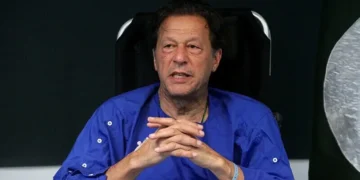
Khyber Pakhtunkhwa Chief Minister Sohail Afridi, who also attended the conference, told reporters that preparations for a nationwide movement had begun on the instructions of jailed PTI founder Imran Khan. He said activists would reach out to people across the country and asked them to await a second call, adding that protests would extend to Rawalpindi, Lahore, KP and other regions.
According to the conference declaration, the alliance said genuine democracy was impossible without free and fair elections. Participants demanded the immediate appointment of a neutral chief election commissioner and said future elections must be held under a reconstituted Election Commission of Pakistan.
They also called for an independent probe into the February 8 elections and demanded action against those held responsible for alleged irregularities.
The participants alleged that the judiciary had been weakened through the 26th and 27th constitutional amendments and claimed that independent-minded judges, including Justice Mansoor Ali Shah, Justice Athar Minallah and Lahore High Court Justice Shams Mehmood Mirza, were forced out, while steps were taken to marginalise remaining judges.
They further criticised recent action against Islamabad High Court Judge Justice Tariq Jahangiri, alleging it reflected continued interference in judicial affairs, and demanded restoration of the judiciary in line with the original 1973 Constitution.
The conference condemned the convictions of the PTI founder and his wife Bushra Bibi, as well as what it termed inhumane treatment of Imran Khan’s sisters, including the use of water cannons against them.
Participants demanded the release of political prisoners, including Imran Khan, Bushra Bibi, Shah Mehmood Qureshi, Ejaz Chaudhry, Yasmin Rashid, Sarfraz Cheema and others.
The alliance also criticised the Prevention of Electronic Crimes Act, 2016, alleging it was used to restrict media freedom, and expressed concern over the financial pressure faced by Dawn Media Group. Solidarity was expressed with journalists who lost their jobs, while the narcotics case against journalist Matiullah Jan was condemned. Cases against lawyers Imaan Zainab Mazari-Hazir and her husband Hadi Ali Chatha were also denounced.
The opposition voiced concern over reports regarding the deployment of Pakistan’s armed forces in Gaza, terming the issue alarming due to a lack of transparency, and demanded that the nation be taken into confidence before any such decisions.
Citing World Bank data, the conference claimed that more than 44 percent of Pakistan’s population was living below the poverty line, while IMF reports pointed to corruption worth Rs5,300 billion. The government was criticised for failing to control inflation, unemployment and poverty, and for lacking a clear economic relief plan.
The alliance also expressed concern over the deteriorating law and order situation in Sindh and Balochistan and demanded the release of Baloch Yakjehti Committee chief Dr Mahrang Baloch and other detained Baloch activists.
TTAP demanded the implementation of unanimous resolutions passed by the KP Assembly Jirga, release of pending federal dues to the province, and lifting of the ban on the Pashtun Tahaffuz Movement.
The participants said that under the 18th Amendment, ownership of minerals rested with the provinces, and entering international mining agreements without consulting provincial governments and local populations violated the Constitution.
The alliance also called for the immediate restoration of student unions across the country and unanimously agreed that, despite the ongoing national crisis, the path of dialogue must remain open in a democratic system.