





























ISLAMABAD (MNN); A significant diplomatic breakthrough has emerged as the United States and Iran move toward de-escalation, with global leaders welcoming a temporary ceasefire and prospects of broader peace talks.
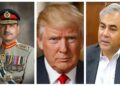
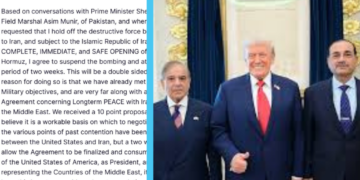
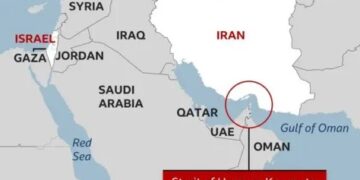
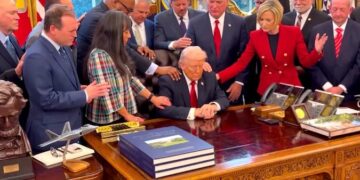
U.S. President Donald Trump announced that Iran could begin its reconstruction process following recent tensions. In a social media statement, he said the United States would assist in easing traffic pressure in the strategically vital Strait of Hormuz, hinting at “many positive developments” and potential economic gains in the near future.
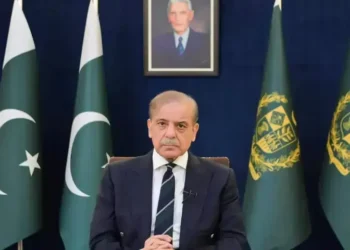
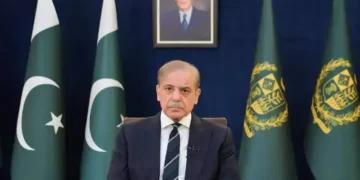
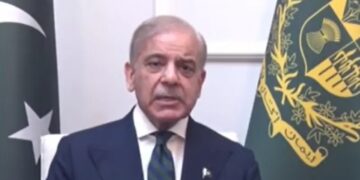
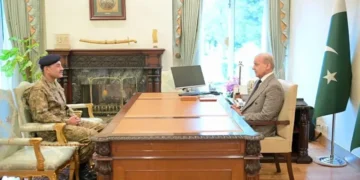
Meanwhile, Prime Minister Shehbaz Sharif confirmed that an immediate ceasefire agreement has been reached between the United States and Iran, including their allies. He stated that the ceasefire would apply “everywhere,” including Lebanon, signaling a broader regional impact.
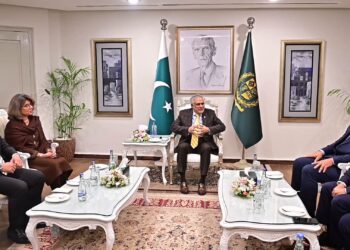
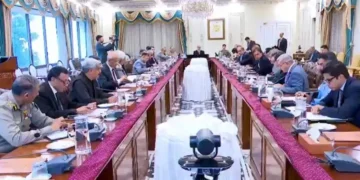
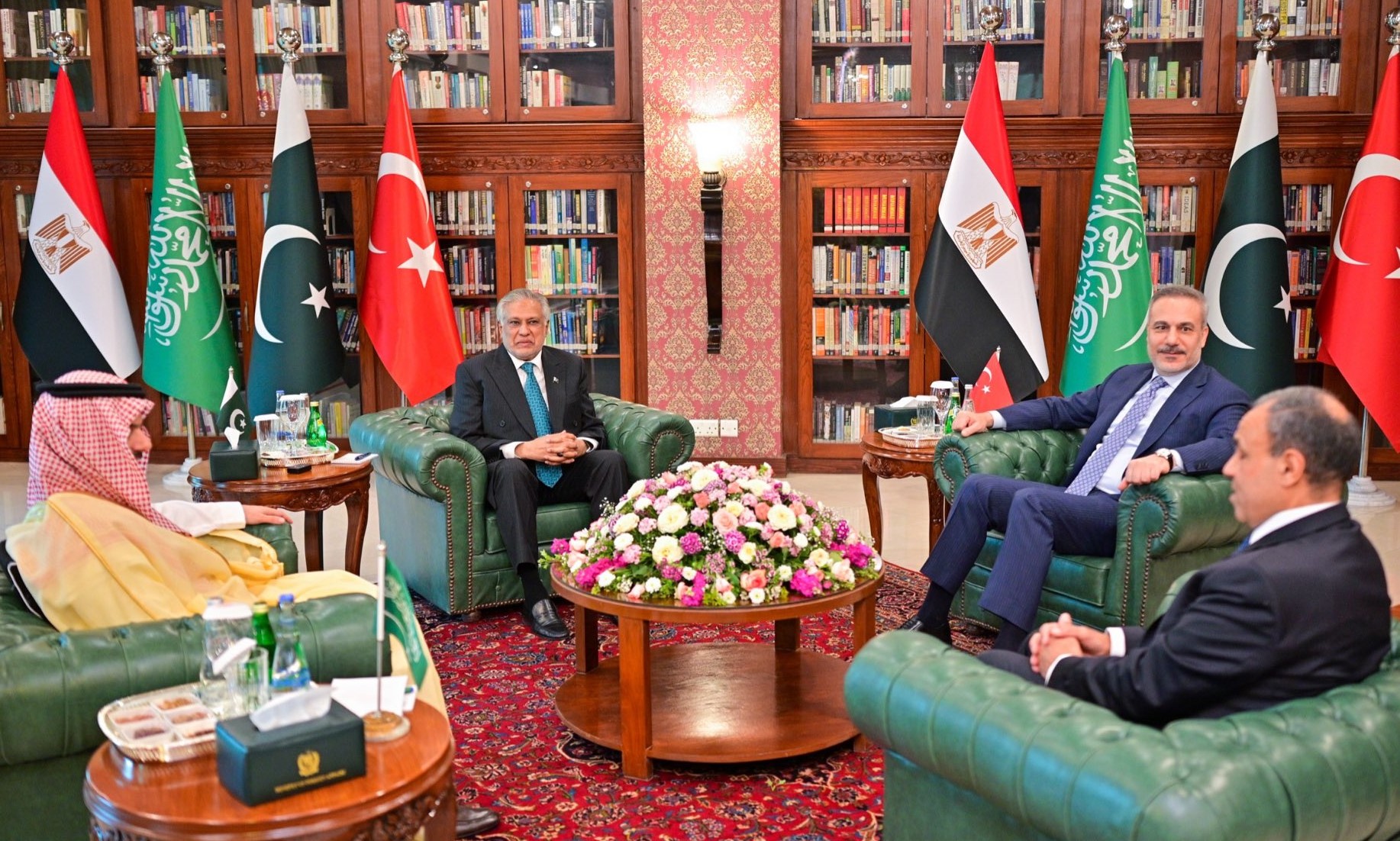
In a message shared on X, the premier welcomed the agreement as a “wise decision” and expressed gratitude to the leadership of both nations. He also invited delegations from the U.S. and Iran to Islamabad on April 10, 2026, for further negotiations aimed at achieving a lasting resolution to ongoing disputes. Sharif praised both sides for demonstrating “extraordinary wisdom and prudence” and expressed hope that the proposed “Islamabad talks” would pave the way for durable peace.
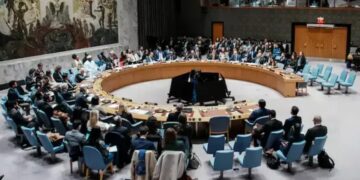
The United Nations also welcomed the development. Secretary-General António Guterres praised the announcement of a two-week ceasefire between the U.S. and Iran. His spokesperson, Stéphane Dujarric, emphasized the need for all parties involved in the Middle East conflict to adhere to international law and uphold the ceasefire conditions.
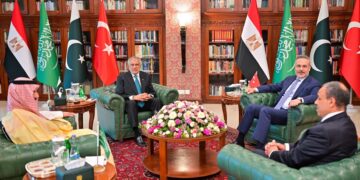
Guterres stressed the urgency of halting hostilities to protect civilian lives and reduce human suffering. He also commended Pakistan and other countries for their diplomatic efforts in facilitating the truce. The UN confirmed that its special envoy Jean Arnault is currently in the region to support ongoing diplomatic initiatives aimed at securing lasting peace.
However, Israel has offered conditional support for the ceasefire. Prime Minister Benjamin Netanyahu stated that Israel would back the temporary truce only if Iran immediately reopens the Strait of Hormuz and halts all attacks against the U.S., Israel, and other regional countries.
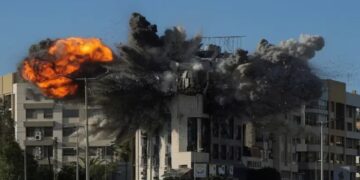
An official statement from Netanyahu’s office clarified that the ceasefire would not apply to Lebanon, where Israeli military operations could continue. Since early March, intense clashes between Israeli forces and Hezbollah have persisted, with large-scale airstrikes reported in southern Lebanon and Beirut alongside ongoing ground operations.
Israel also reiterated its support for U.S. efforts to ensure that Iran does not pose future nuclear, missile, or militant threats to the region and the wider world. According to the statement, Washington has assured Israel of its commitment to these objectives in upcoming negotiations.
The evolving situation reflects a fragile but hopeful step toward regional stability, with diplomatic channels reopening and key global players urging sustained engagement for a comprehensive peace settlement.