



























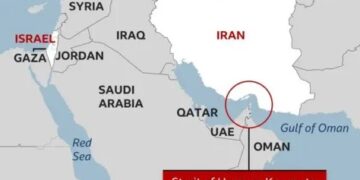








TEHRAN/ISLAMABAD (MNN); A potential diplomatic breakthrough has emerged in the Middle East crisis as Iran signalled a conditional two-week ceasefire and limited reopening of the Strait of Hormuz, following the United States’ decision to pause military action after mediation efforts involving Pakistan.
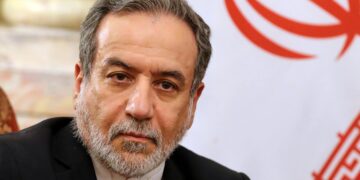
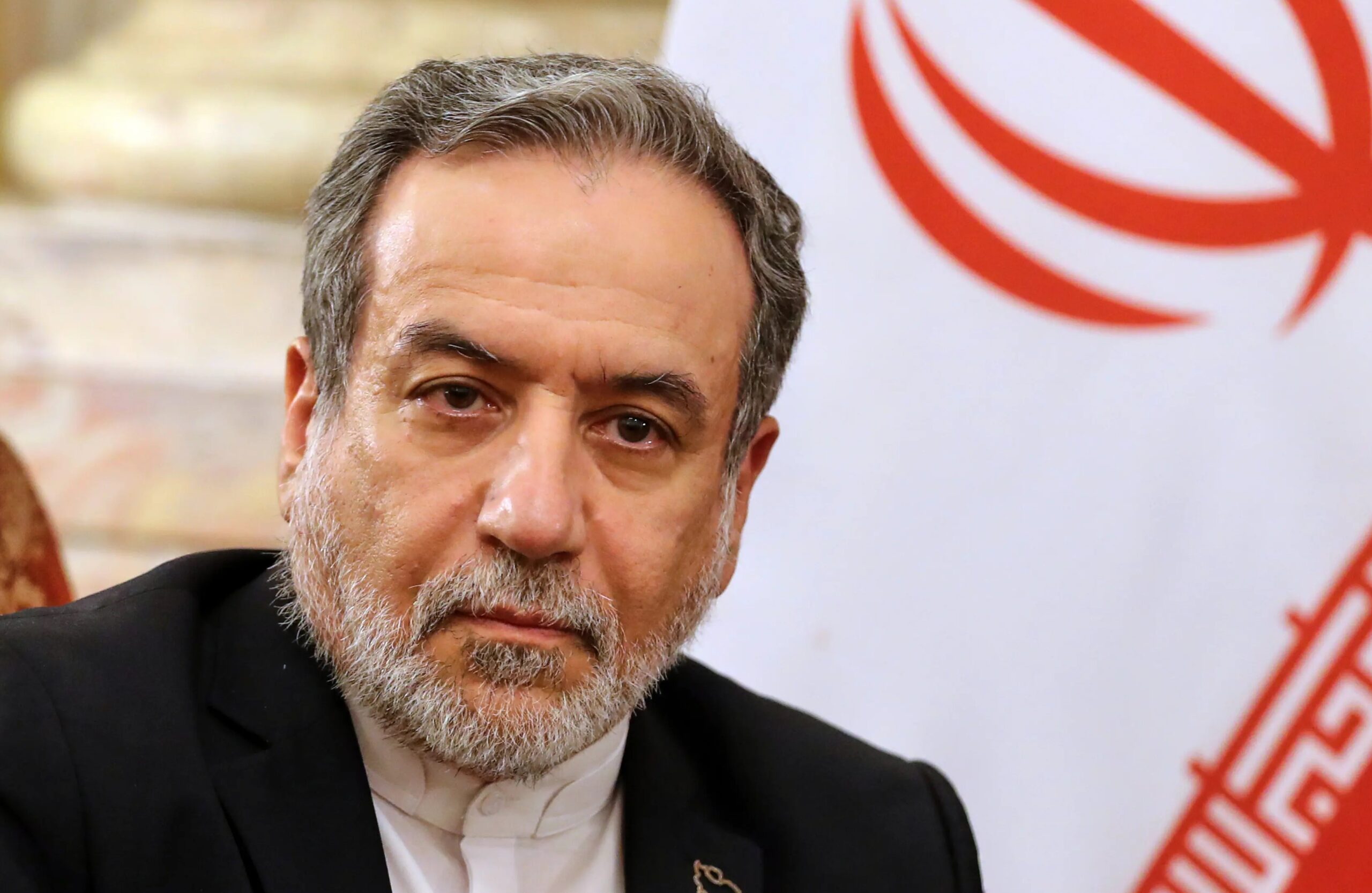
Iran’s Foreign Minister Abbas Araghchi, citing a statement from the Supreme National Security Council of Iran, said that Tehran would halt its defensive operations if attacks against Iran cease.
He announced that safe passage through the Strait of Hormuz would be allowed for a period of two weeks, subject to coordination with Iran’s armed forces and technical considerations.
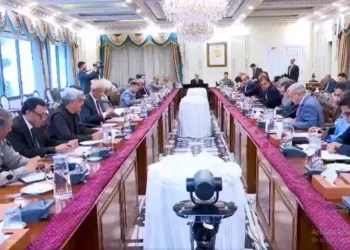
The Iranian statement further revealed that negotiations would begin in Islamabad, though it stressed “complete distrust” of the United States. Tehran indicated that the two-week period could be extended if both sides agree.
The council urged national unity during the negotiations, calling on political groups and the public to support the process under the supervision of Iran’s top leadership. It warned that while diplomacy is being pursued, Iran remains ready to respond forcefully to any aggression, stating that its forces are prepared to retaliate immediately if provoked.
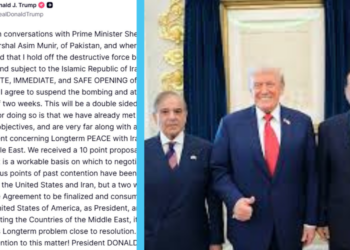
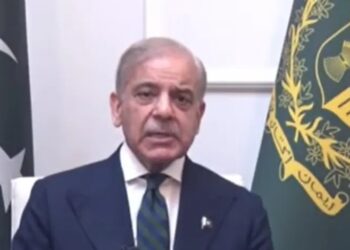
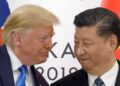
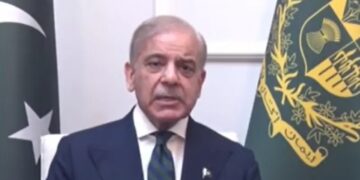
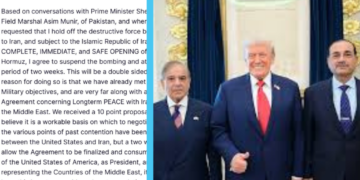
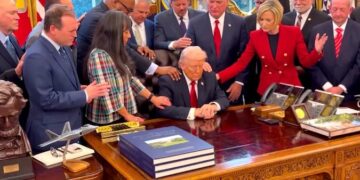
Meanwhile, US President Donald Trump confirmed that he had agreed to suspend bombing and military operations against Iran for two weeks. He said the decision followed direct appeals from Prime Minister Shehbaz Sharif and Pakistan’s Army Chief Asim Munir.
Trump described the arrangement as a “double-sided ceasefire” contingent upon Iran ensuring the “complete, immediate, and safe” reopening of the Strait of Hormuz. He also revealed that Washington had received a “workable” 10-point proposal from Tehran, adding that most contentious issues had already been resolved and a final agreement could be reached within the two-week window.
Unconfirmed media reports from US and Israeli outlets, including CNN and Israeli broadcaster Kan, suggested that Israel may also have agreed to the ceasefire, although no official confirmation has been issued. Reports indicate that the truce could take effect once Iran reopens the Strait of Hormuz.
However, uncertainties remain regarding the scope of the ceasefire, particularly in southern Lebanon, where Hezbollah continues to engage in conflict with Israeli forces. Analysts warn that exclusion of Lebanon from the ceasefire framework could intensify pressure on Hezbollah and complicate regional dynamics.
The situation remains fluid, with key issues likely to feature in upcoming negotiations, including Iran’s regional alliances and the future security arrangements in southern Lebanon, where Israel has expressed intentions to establish a buffer zone.
Observers view the latest developments as a critical opportunity for de-escalation, though they caution that the success of the ceasefire and negotiations will depend on sustained restraint and mutual trust among all parties.