

















ISLAMABAD (MNN); Authorities in Punjab and Islamabad have announced free public transport for one month, while Sindh has introduced cash subsidies for motorcyclists, as governments move to cushion the impact of a sharp rise in fuel prices.
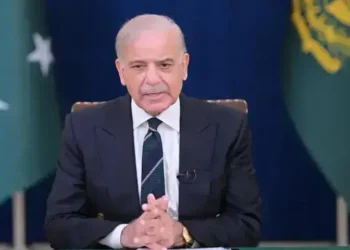
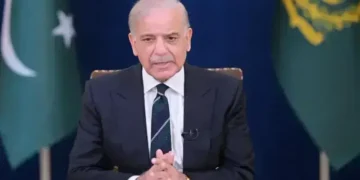
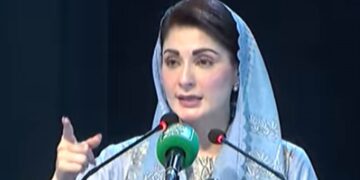
Punjab Chief Minister Maryam Nawaz said public transport across the province will remain free under Prime Minister Shehbaz Sharif’s national austerity programme. The federal government has extended similar relief to Islamabad, where commuters will also benefit from free transport for 30 days starting Saturday.
The move comes after a steep hike in fuel prices, with petrol increasing by 42.7 percent and diesel by 54.9 percent, sparking protests and long queues at fuel stations. Interior Minister Mohsin Naqvi said the government would bear an estimated cost of Rs350 million to provide free transport in the capital.
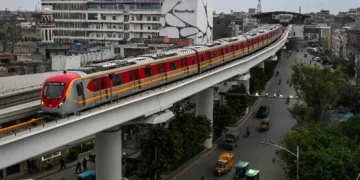
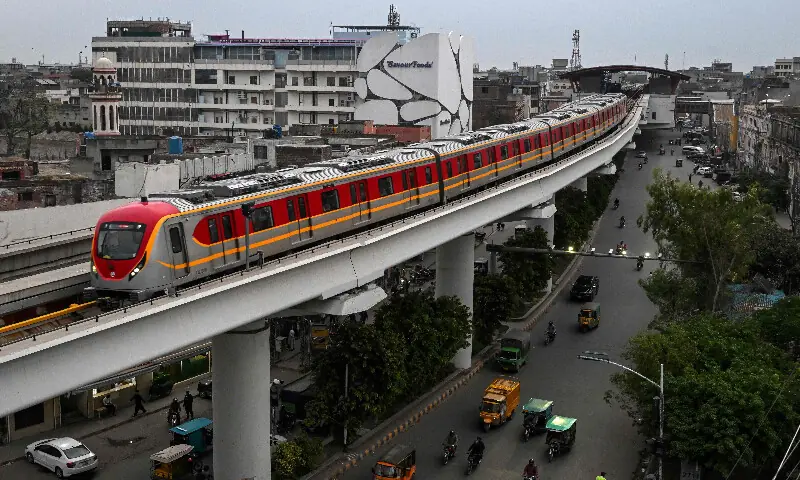
In Punjab, the relief package includes Orange Line trains, Metro Bus, Speedo buses and electric green buses, benefiting millions of daily commuters. The provincial government has also introduced targeted subsidies for transporters, urging them not to pass on additional costs to passengers.
Maryam Nawaz said rising global oil prices and ongoing international conflicts had made fuel price pressure unavoidable. To offset the burden, she announced monthly subsidies of Rs70,000 for goods transport vehicles, Rs80,000 for larger vehicles and Rs100,000 for public service buses.
Additional relief measures include a Rs100 per litre diesel subsidy per acre for farmers and a petrol subsidy of Rs100 per litre for motorcycle owners on up to 20 litres per month.
Meanwhile, Sindh Chief Minister Murad Ali Shah announced a monthly cash subsidy of Rs2,000 for registered motorcycle owners. Speaking in Karachi, he said the amount would be digitally disbursed after verification within 15 days through an excise department application.
He added that Sindh has around 6.7 million registered motorcycles, and ownership transfer has been made free to expand eligibility. The subsidy will be paid directly in cash between April 15 and 20.
Officials linked these relief measures to rising global oil prices and regional instability, particularly the ongoing conflict involving Iran, which has disrupted energy supplies and raised import costs.
The federal government has also introduced austerity steps, including a four-day work week for some offices, extended school holidays and partial transition to online classes, to reduce fuel consumption.
Authorities say these measures aim to ease pressure on the public while managing the country’s energy and fiscal challenges.