



































ISLAMABAD (MNN); The Foreign Office stated on Friday that the ongoing ceasefire with Afghanistan is not a conventional truce, but one dependent on whether terrorist activities are launched against Pakistan from Afghan soil.
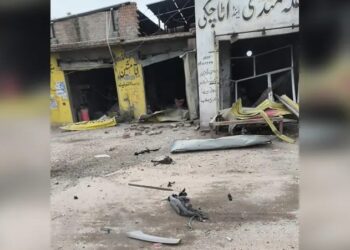
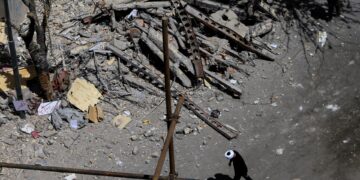
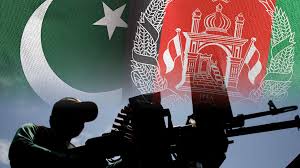
Relations between Islamabad and the Afghan Taliban are at their worst since the group took power in Kabul four years ago. All major border crossings have remained shut since October 11, and trade has come to a halt following intense ground clashes and Pakistani airstrikes—resulting in casualties on both sides—marking the most severe confrontation since 2021.
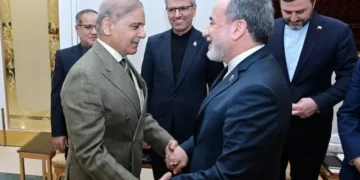
Turkey and Qatar stepped in to mediate after the clashes. The first round of talks in Doha led to a fragile halt in hostilities, the second produced only a basic plan for monitoring compliance and a commitment to continue discussions, while the third round ended without any concrete results. Tensions escalated again this week after Kabul accused Pakistan of fresh airstrikes, which Islamabad denied, while the Afghan side warned of retaliation.
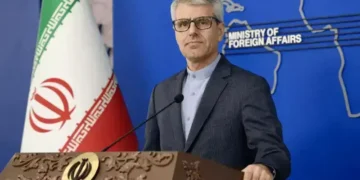
Responding to questions about the situation, FO Spokesperson Tahir Andrabi clarified during the weekly briefing that the ceasefire was never meant to be a traditional agreement between two warring states.
He said it specifically required that no terrorist attacks be carried out inside Pakistan by Afghan-based militant proxies—including the TTP and FAK. He added that multiple attacks had taken place even after the ceasefire was announced.
“So in that context, the ceasefire is not holding,” he said, noting that attacks by Afghan nationals, including recent incidents in Islamabad, have undermined confidence in the arrangement.
He stressed that Pakistan’s security forces remain vigilant and fully prepared to respond to any potential threat coming from Afghanistan. “We will deal with these security challenges with the seriousness they demand,” he said.
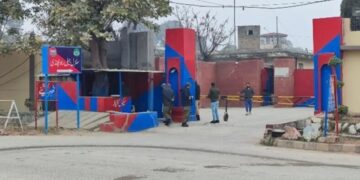
Earlier this month, the government stated that all militants involved in the attack on Cadet College Wana in South Waziristan were Afghan citizens. The attackers reached the main gate of the institution and attempted to enter, but a timely response from the security forces prevented a larger tragedy.
Similarly, a suicide attack outside the Islamabad district and sessions court in G-11 killed 12 people and injured 36, with officials confirming that the bomber was not Pakistani.
Prime Minister Shehbaz Sharif blamed both Afghanistan and India for involvement in terrorism and pledged a strong response to any aggression. Defence Minister Khawaja Asif also warned that Pakistan could target terrorist sanctuaries inside Afghanistan if attacks continued in Islamabad and Khyber Pakhtunkhwa.