



























ISLAMABAD (MNN); Deputy Prime Minister and Foreign Minister Ishaq Dar on Sunday reaffirmed Pakistan’s commitment to supporting diplomatic efforts aimed at sustaining dialogue and promoting peace, following the conclusion of US-Iran talks in Islamabad without an agreement.
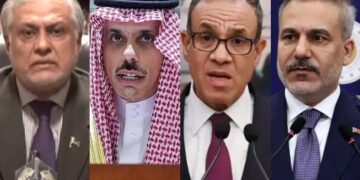
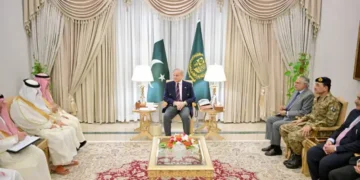
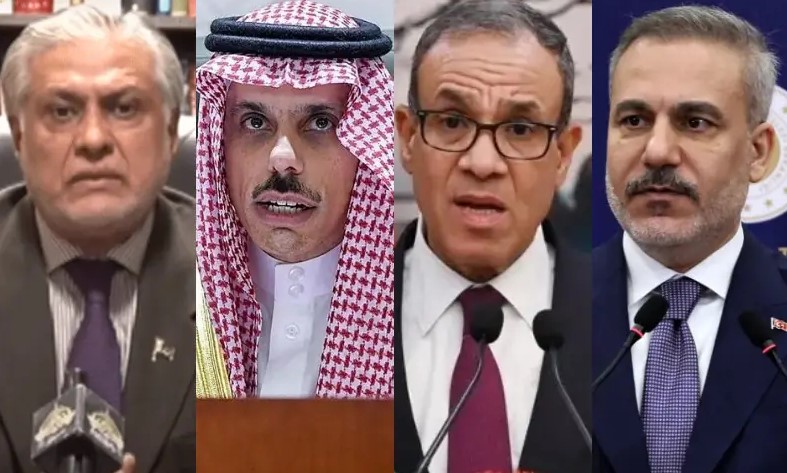
According to the Foreign Office, Dar held telephonic conversations with the foreign ministers of Saudi Arabia, Egypt, and Turkiye, sharing key developments from the Islamabad Talks and stressing the importance of continued engagement.
In his call with Saudi Foreign Minister Faisal bin Farhan Al Saud, Dar highlighted the need for all parties to adhere to ceasefire commitments and underscored Pakistan’s role in facilitating dialogue for regional stability.
During his conversation with Egyptian Foreign Minister Badr Abdelatty, Dar reiterated that upholding the ceasefire is essential and emphasized the importance of sustained diplomacy to achieve lasting peace.
Dar also spoke with Turkish Foreign Minister Hakan Fidan, who appreciated Pakistan’s efforts in bringing Iran and the United States to the negotiating table. Both leaders reaffirmed their support for continued diplomatic engagement.
The Turkish foreign minister also invited Dar to attend the Antalya Diplomacy Forum later this month.
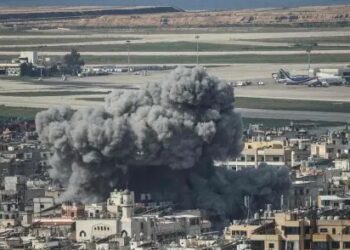
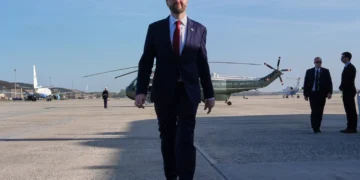
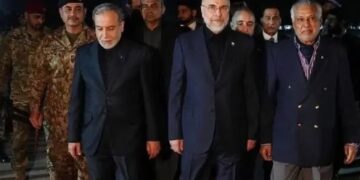
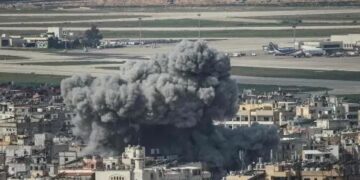
The diplomatic outreach came on the same day that talks between Washington and Tehran, facilitated by Pakistan, concluded in Islamabad without a breakthrough. The negotiations were aimed at easing tensions more than a month after the US-Israeli strikes on Iran triggered a wider conflict and a global fuel crisis.
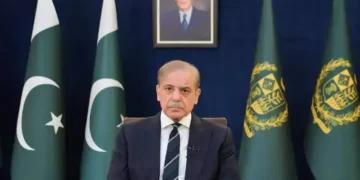
Pakistan has played a central facilitative role since the onset of the crisis. Prime Minister Shehbaz Sharif and Dar engaged regional leaders early on, advocating for dialogue and de-escalation.
Islamabad had offered to host meaningful talks, conveying proposals between Washington and Tehran. While both sides shared conditions for a ceasefire, differences persisted, preventing a final agreement.
Earlier diplomatic efforts included a quadrilateral meeting in Islamabad with Saudi Arabia, Turkiye, and Egypt, as well as a joint peace initiative issued with China in Beijing aimed at restoring stability in the Gulf.
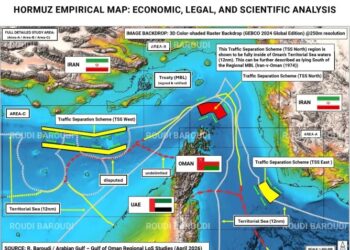
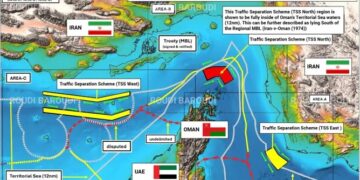
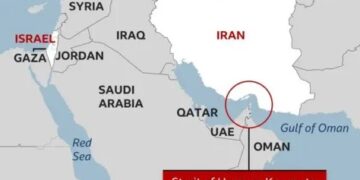
Tensions escalated further when US President Donald Trump issued a deadline for Iran to accept a ceasefire and reopen the Strait of Hormuz, warning of military action. Iran, however, rejected the proposal and called for a permanent end to the conflict along with sanctions relief.
Following Pakistan’s intervention, Trump agreed to temporarily suspend military action for two weeks, conditional on Iran reopening the Strait. Iran signaled conditional willingness to halt defensive operations if attacks ceased, paving the way for talks in Islamabad — which ultimately ended without a deal.