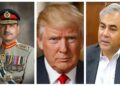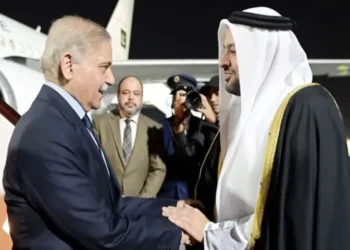
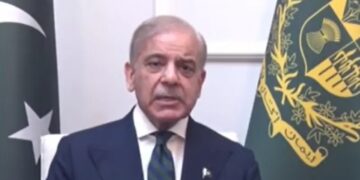
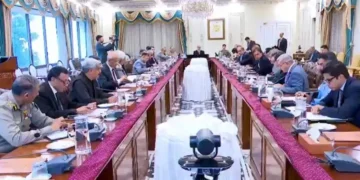
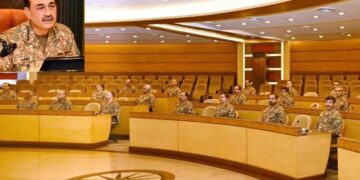

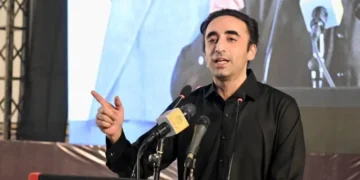



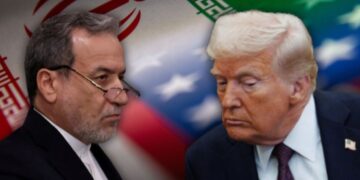
















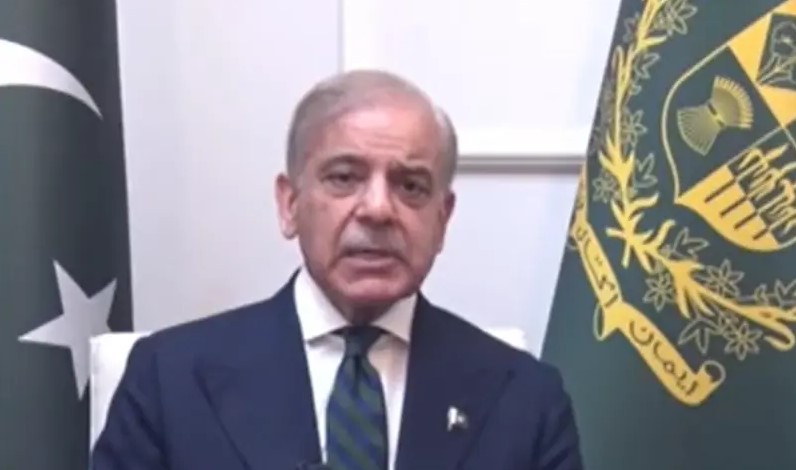
ISLAMABAD (MNN); Prime Minister Shehbaz Sharif has appealed to Donald Trump to extend his deadline for an Iran deal by two weeks, urging that ongoing diplomatic efforts be given time to yield meaningful results.
In a post on X, the premier said diplomatic initiatives aimed at ending the Middle East conflict were progressing “steadily, strongly and powerfully,” with the potential for a substantive breakthrough in the near future. He emphasized that extending the timeline would allow diplomacy to run its full course.
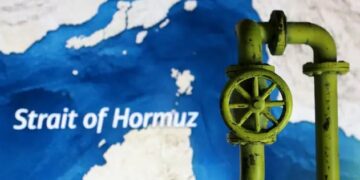
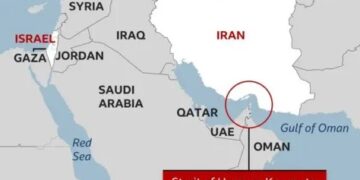
Sharif also called on Iran to reopen the strategically vital Strait of Hormuz for the same two-week period as a goodwill gesture, noting that such a move could help ease global tensions and stabilise energy markets.
He further urged all parties involved in the conflict to observe a temporary ceasefire, stating that a two-week pause in hostilities could create the necessary space for diplomatic engagement to achieve a lasting resolution.
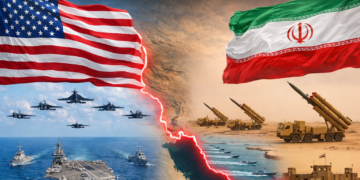
Meanwhile, tensions remained high as Iran’s Islamic Revolutionary Guard Corps warned that it would respond beyond the region and potentially disrupt oil and gas supplies for years if the United States crossed its “red lines” by targeting civilian infrastructure.
According to Iran’s Tasnim News Agency, a military source indicated that Tehran had “surprises” in store should Washington proceed with further escalation. The source warned that Iran would impose heavy costs on the US and its allies if provoked.
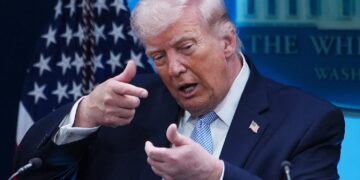
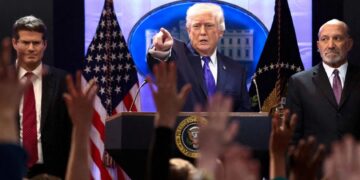
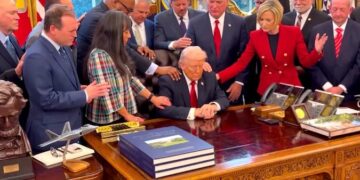
In a sharp escalation of rhetoric, President Trump warned that “a whole civilisation will die tonight,” as the deadline for reopening the Strait of Hormuz approached.
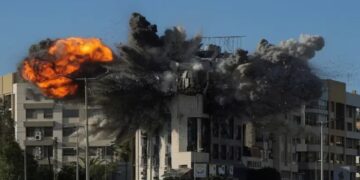
Adding to regional instability, a strike hit a railway bridge in Kashan, killing two people shortly after Israel issued warnings for civilians to avoid the country’s rail network.
President Trump also described Iran’s response to a US ceasefire proposal, delivered through intermediaries, as “significant” but “not good enough,” indicating that negotiations remain fragile.
The situation continues to evolve rapidly, with global powers closely monitoring developments amid fears of further escalation and its impact on regional and international stability.