







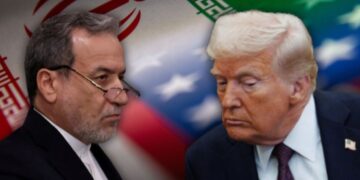


























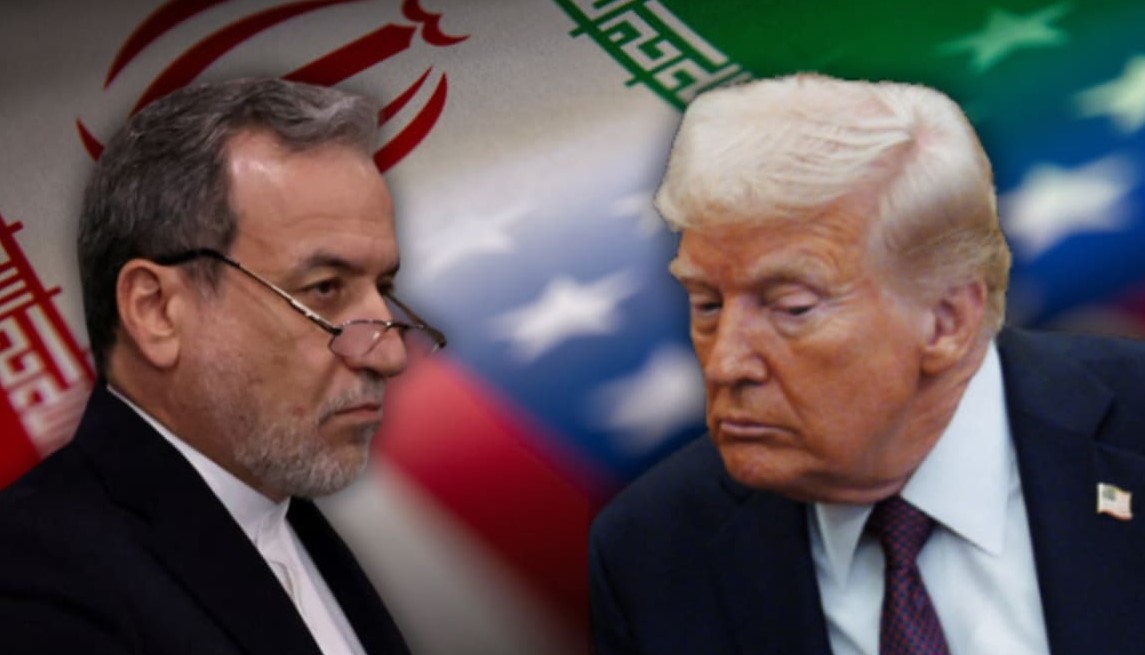
WASHINGTON (MNN); US President Donald Trump has escalated rhetoric against Iran, warning of intensified strikes on key infrastructure if Tehran fails to reopen the strategic Strait of Hormuz by his stated deadline, following a dramatic rescue of a downed American aviator inside Iranian territory.
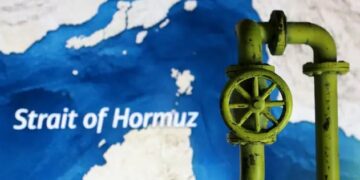
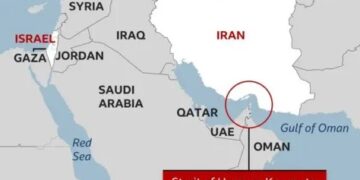
In a strongly worded social media message, Trump threatened to target Iran’s power plants, bridges and critical infrastructure, saying the country would face severe consequences if the vital global trade route remains closed. The Strait of Hormuz is a crucial artery for oil and gas shipments from the Gulf to global markets, and any disruption has immediate worldwide economic implications.
The warning came after US forces carried out a high-risk rescue mission to retrieve an airman whose aircraft was shot down over Iran. Trump described the injured aviator as “very brave,” saying he was recovered from mountainous terrain in a complex operation involving multiple aircraft. A second crew member was rescued separately within hours of the crash.
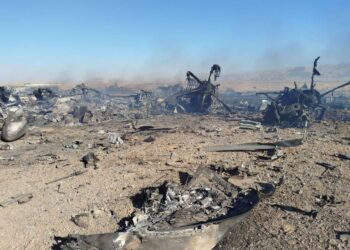
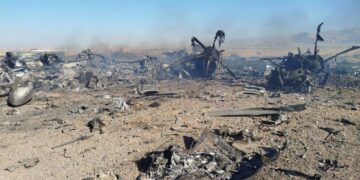
However, Iran has disputed the US account, claiming it disrupted the rescue mission and inflicted losses on American forces. Iranian state television broadcast footage allegedly showing wreckage of US aircraft, including transport planes and helicopters. US officials, meanwhile, acknowledged that some aircraft were lost during the operation, either due to damage or being deliberately destroyed to avoid capture.
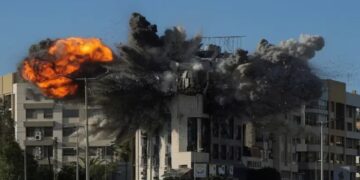
The confrontation has rapidly spilled across the region. Iran launched missile and drone strikes targeting infrastructure in Gulf countries including United Arab Emirates, Kuwait and Bahrain. In the UAE, falling debris from intercepted projectiles sparked fires at industrial sites, injuring civilians and halting operations at a petrochemical facility. Kuwait reported significant damage to power plants and desalination systems, while Bahrain confirmed a drone strike on oil storage infrastructure.
Iran has also warned it could extend the crisis by targeting another key maritime chokepoint, the Bab el-Mandeb Strait, which connects the Red Sea to the Suez Canal and is essential for global shipping. Any disruption there would further strain already volatile energy markets.
The latest escalation reflects growing alarm over Iran’s control of the Strait of Hormuz. Some vessels have reportedly paid fees to ensure safe passage, highlighting the increasing militarization of the waterway. Iranian officials have indicated that reopening the strait could be tied to compensation for war-related damages.
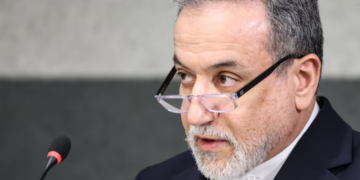
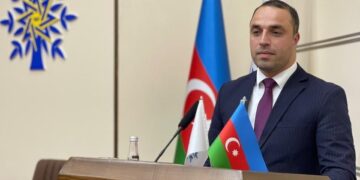
Senior Iranian figures have responded sharply to Trump’s statements. Culture Minister Sayed Reza Salihi-Amiri criticized the US president’s approach, describing it as inconsistent and unpredictable. Iran’s mission to the United Nations also condemned the threats, calling them evidence of intent to commit war crimes.
Military officials in Tehran warned that any attacks on Iranian civilian infrastructure would trigger intensified retaliation across the region. Analysts note that both sides have increasingly targeted facilities such as oil fields and desalination plants, which are critical for civilian life.
Under international humanitarian law, strikes on civilian infrastructure are only permissible if they provide a clear military advantage and avoid excessive harm to civilians. Legal experts caution that this threshold is difficult to meet, and violations could constitute war crimes.
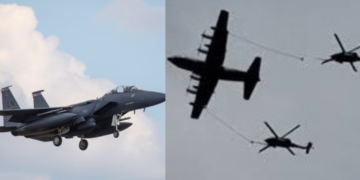
The crisis intensified after an F-15E fighter jet crashed in Iran on Friday, prompting a large-scale search operation. Iran had earlier offered a reward for the capture of the pilot. US officials said intelligence efforts, including misinformation campaigns, were used to confuse Iranian forces during the rescue mission.
Iran also claimed it shot down another US aircraft, an A-10 attack plane, though details about its crew remain unclear. Reports suggest that two Black Hawk helicopters were hit during operations but managed to return safely.
Diplomatic efforts are continuing but have yet to produce a breakthrough. Oman has hosted discussions aimed at ensuring safe navigation through the strait, while officials from Egypt, Turkey, Pakistan and Russia have been engaged in parallel talks to reduce tensions.
The conflict, now in its fifth week since erupting on February 28, has caused widespread destruction and heavy casualties. More than 1,900 people have been killed in Iran, while deaths have also been reported in Israel, Lebanon and across Gulf states. Over a million people have been displaced in Lebanon alone.
The combination of military escalation, economic pressure and aggressive rhetoric has placed the region at a dangerous crossroads. Analysts warn that any miscalculation — particularly involving critical global trade routes — could trigger a broader regional conflict with far-reaching consequences.