























WASHINGTON (MNN); A series of high-risk U.S. rescue operations inside Iran has successfully recovered two downed American airmen, but at a steep cost, with military losses estimated at around $222 million, as tensions between Washington and Tehran continue to intensify.
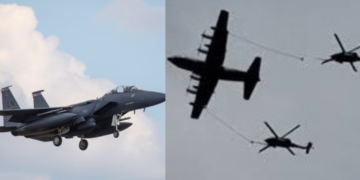
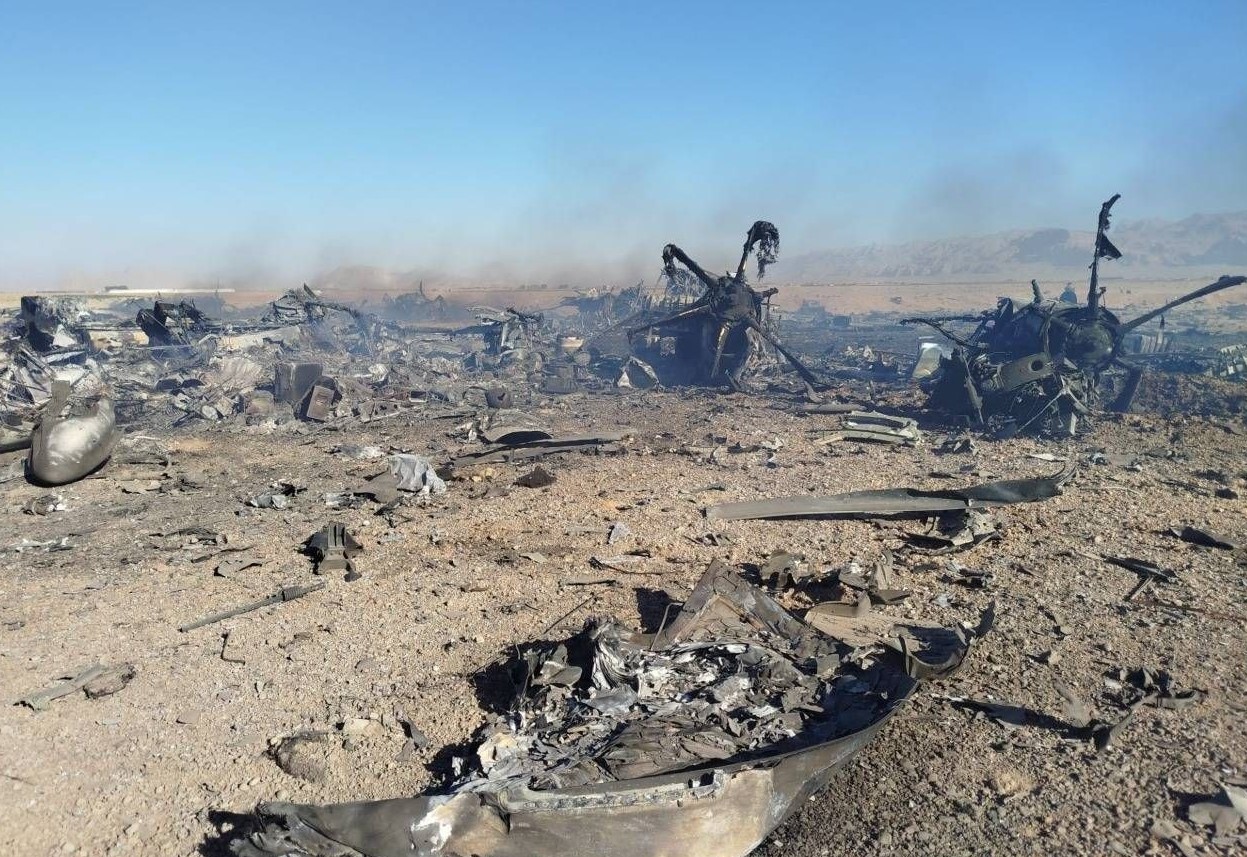
According to initial reports, the daring missions led to the destruction of several key aerial assets, including two HC-130J Combat King II aircraft valued at approximately $100 million each, and four MH-6 Little Bird helicopters worth about $4.5 million each. The losses underscore the extreme risks involved, making the operation one of the costliest rescue efforts in recent U.S. military history.
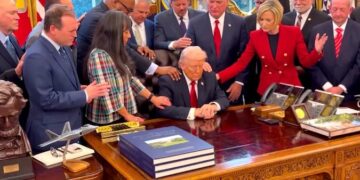
US President Donald Trump described the mission as “one of the most daring search and rescue operations in US history,” confirming that a second downed airman had been safely recovered from hostile territory in Iran. He said the injured service member had been trapped in mountainous terrain behind enemy lines but would recover.
Trump revealed that both pilots were rescued in separate operations deep inside Iranian territory — an unprecedented achievement in modern military history. He reiterated that the United States had achieved “overwhelming air dominance” over Iranian skies and vowed that no American soldier would be left behind.
US media reported that one of the rescued crew members, a weapons systems officer, survived for more than a day in rugged terrain after ejecting, evading capture while coordinating with rescuers using secure communication devices. American commandos reportedly engaged hostile forces to secure the extraction zone.
However, reports from outlets including The New York Times and CBS indicated that two aircraft used in the rescue had to be destroyed at a remote Iranian base to prevent them from falling into Iranian hands. In a separate operation, an F-15 pilot was rescued hours after ejecting, although a Black Hawk helicopter involved in that मिशन was hit by Iranian fire, injuring crew members.
The second rescue, conducted with specialized commandos and heavy air support, was completed successfully, with all personnel extracted. US fighter jets also reportedly struck Iranian positions to prevent interference from the Islamic Revolutionary Guard Corps (IRGC).
Meanwhile, Iran claimed it had shot down an A-10 attack aircraft, challenging US assertions of uncontested air superiority. The pilot reportedly escaped safely.
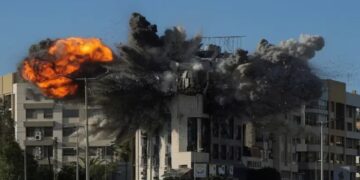
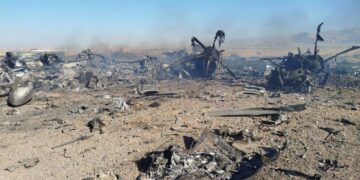
In contrast to US claims, Iran’s military stated that the American rescue operation had been “completely foiled.” Military spokesman Ebrahim Zolfaghari said the mission, allegedly conducted at an abandoned airport in southern Isfahan, resulted in the destruction of two C-130 transport aircraft and two Black Hawk helicopters. Iranian state media aired footage showing burning wreckage at the site.
The developments come amid escalating hostilities, as Iran launched missile and drone strikes targeting اسرائیل and کویت, while Trump issued a stark warning to Tehran, giving it 48 hours to reach a deal or face severe consequences.
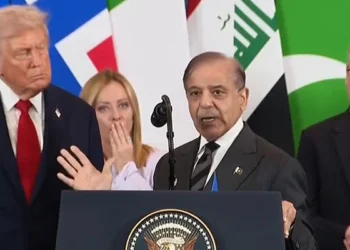
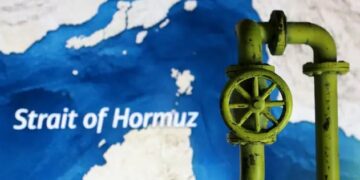
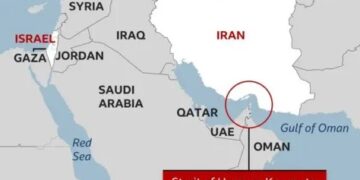
Trump also made controversial remarks بشأن the Strait of Hormuz, suggesting the US could “take control” of the vital النفط route. Analysts warn such rhetoric could provoke a broader regional backlash, as the waterway handles nearly a fifth of global oil تجارت and is critical for countries including Pakistan.
Iran, however, has maintained that the Strait of Hormuz is vital to its national security and has allowed limited commercial shipping to continue, even as tensions rise.
With diplomatic efforts stalled, the situation remains highly volatile. Analysts caution that any miscalculation — particularly involving the strategically crucial Strait of Hormuz — could rapidly escalate into a wider regional conflict.
The twin developments — successful but costly rescue operations and increasingly aggressive rhetoric — highlight the fragile balance in the Gulf region, where military actions and geopolitical tensions continue to pose global risks.