





































ISLAMABAD (MNN); In a significant administrative and infrastructure development, the Punjab government has established the Water and Sanitation Agency (WASA) across 41 districts for the first time, aiming to modernise urban sanitation systems and improve public service delivery.
The announcement was made by Chief Minister Maryam Nawaz during the inauguration of the Punjab Sewerage Fleet Phase-I, a major initiative designed to upgrade sewerage management across the province.
During the ceremony, the chief minister inspected advanced machinery, including suction and jetting machines, which will be deployed to enhance drainage operations and ensure quick response to sewerage issues in urban areas.
Under the first phase of the project, a total of 552 machines and vehicles have been distributed among 15 districts. Authorities have confirmed that an additional 937 machines and vehicles will be provided in the next phase, significantly expanding operational capacity across Punjab.
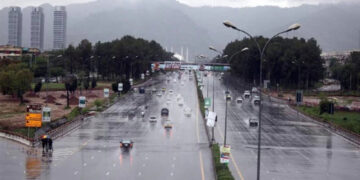
Maryam Nawaz emphasised that all necessary arrangements would be completed before the onset of the monsoon season. She said the objective is to ensure efficient drainage systems and immediate response mechanisms in every district to prevent urban flooding during heavy rains.
The establishment of WASA in 41 districts marks a major step toward decentralising sanitation services and improving local governance, particularly in rapidly growing urban centres where outdated infrastructure has long posed challenges.
Separately, the chief minister chaired a high-level meeting to review progress on four major health sector projects. Officials briefed the meeting that significant achievements had been made in providing advanced medical care free of cost.
According to the briefing, free liver, kidney, and cochlear transplant procedures worth millions of rupees have been successfully carried out under government initiatives. In addition, more than 11,000 successful heart surgeries for children have been completed, reflecting a strong focus on improving paediatric healthcare services.
These initiatives are part of a broader strategy to strengthen public healthcare infrastructure, expand access to specialised treatments, and reduce the financial burden on patients from low-income backgrounds.
Marking World Autism Day, the chief minister also reiterated her government’s commitment to supporting children with autism through education, rehabilitation, and equal opportunities.
She described the establishment of Pakistan’s first government-run autism centre as a landmark achievement, aimed at providing specialised care, therapy, and inclusive education facilities for children with autism.
Maryam Nawaz stressed that the government is working to ensure that individuals with special needs are fully integrated into society and provided with the resources necessary to lead independent and fulfilling lives.
Overall, the initiatives in sanitation and healthcare signal the Punjab government’s intent to modernise essential public services, improve quality of life, and address long-standing infrastructure and healthcare gaps across the province.