

























ISLAMABAD (MNN); Meetings with jailed Pakistan Tehreek-e-Insaf (PTI) founder Imran Khan remained suspended on Thursday as authorities once again prevented party leaders from accessing him at Adiala Jail, intensifying political tensions and raising concerns over his health and detention conditions.
Despite prior coordination with jail authorities, a group of PTI leaders was denied entry outside the prison premises. PTI Secretary General Salman Akram Raja had submitted a list of six individuals permitted to meet the incarcerated leader. The list included Seemabia Tahir, Haider Mehdi, Raja Saqib Ali, Jahangir Ahmed Butt, Malik Najam Khan, and Muhammad Owais Qaiser.
Speaking to media representatives, senior PTI leader Seemabia Tahir said that the scheduled visiting hours were from 2:00 pm to 4:00 pm, and party members arrived at Adiala Jail ahead of time. However, they were stopped at the Dhagil checkpoint despite informing officials that their names had been cleared and that the Supreme Court of Pakistan had permitted such meetings.
“We reached at around 1:45 pm, but authorities refused to allow us to proceed. We were left with no option but to protest,” Tahir said, adding that the group remained at the checkpoint until 4:30 pm before eventually dispersing.
She expressed grave concern over Imran Khan’s health, claiming that he had lost approximately 85 percent of his vision in one eye, while the condition of the other eye had also deteriorated. Tahir further alleged that the PTI founder had been held in solitary confinement for the past five months, calling it a violation of both national and international laws.
Drawing comparisons with other political leaders, she said that former prime ministers such as Nawaz Sharif and Asif Ali Zardari, as well as Maryam Nawaz, were allowed to meet visitors freely during their incarceration at Adiala Jail. In contrast, she claimed, Imran Khan has been denied access even to family members and personal physicians.
Under directives issued by the Islamabad High Court, Imran Khan is entitled to meet his family, lawyers, and associates twice a week—on Tuesdays and Thursdays. However, these meetings have reportedly not taken place consistently in recent weeks.
His last confirmed meeting occurred on February 10, when he met his legal counsel, Salman Safdar, following intervention by the Supreme Court after a prolonged period without access to visitors.
PTI leaders and family members continue to allege that the former prime minister is being held in isolation. The situation escalated further when his sisters were denied permission to meet him on March 24. The party termed the restrictions a violation of fundamental rights and demanded an immediate end to what it described as unlawful solitary confinement.
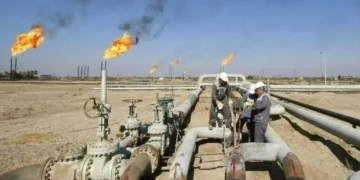
Beyond the jail issue, PTI also strongly criticised recent economic decisions by the government. The party rejected the increase in liquefied petroleum gas (LPG) prices and warned against a likely rise in petroleum product prices, describing these measures as unjust and anti-people.
In an official statement, PTI Central Information Secretary Sheikh Waqas Akram said that such decisions would place an additional burden on citizens already struggling under severe economic stress. He criticised the government’s economic policies and its reliance on the International Monetary Fund, arguing that they were pushing the country deeper into inflation and financial hardship.
“Increasing LPG prices at a time when people are already facing rising electricity, gas, and food costs will further worsen living conditions,” Akram stated.
He highlighted that LPG serves as a primary energy source for many households, especially in remote and rural areas. According to him, the price hike would disproportionately impact low-income families, making basic living even more difficult.
Akram also warned that any increase in petroleum prices would have a cascading effect on the economy. Higher fuel costs, he said, would lead to increased transportation expenses, which would ultimately raise the prices of essential commodities.
“As a result, the cost of flour, sugar, vegetables, medicines, and other necessities will increase further, intensifying the burden on ordinary citizens,” he added.
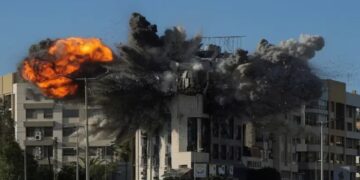
Addressing international developments, particularly the volatile situation in the Middle East, Akram said that Pakistan’s offer to host dialogue among relevant stakeholders reflects a constructive approach toward peace. He noted that the world is heading toward dangerous instability, echoing warnings previously issued by Imran Khan.
He emphasised that Pakistan should avoid involvement in conflicts and instead play a meaningful role in promoting peace through diplomacy.
“According to PTI, a peace-based approach is the only viable solution. Wars have repeatedly failed, destroying economies and pushing populations into poverty,” he said.
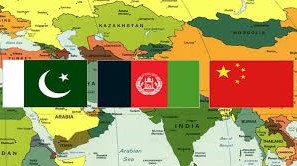
Akram also praised China’s role in encouraging regional stability and called on the international community to respect Iran’s sovereignty. He urged immediate ceasefires in ongoing conflicts, warning that prolonged wars cause widespread economic damage and immense suffering for civilians.
In addition, he strongly condemned recent Israeli legislation targeting Palestinians, calling it inhumane and unacceptable. He criticised the government for what he described as silence on the issue and called for a clear and principled foreign policy stance in support of Palestinian rights.
As political tensions, economic challenges, and global uncertainties continue to converge, the PTI’s statements reflect growing frustration within the opposition, while also highlighting broader concerns about governance, human rights, and Pakistan’s role in international peace efforts.