

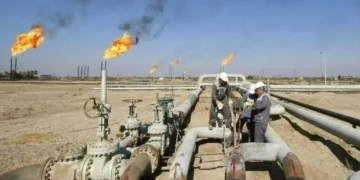

























ISLAMABAD (MNN); Facing a sharp rise in global oil prices triggered by escalating geopolitical tensions, Pakistan has decided to seek flexibility in its programme with the International Monetary Fund while preparing to pass the increasing burden of petroleum prices on to consumers.
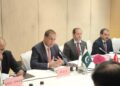
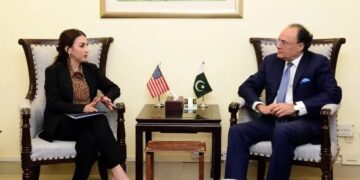
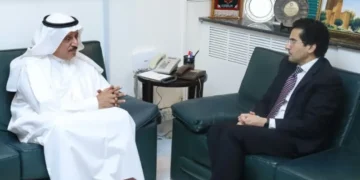
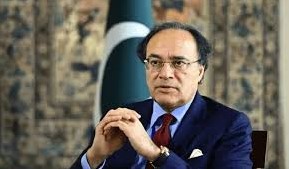
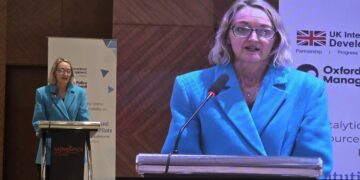
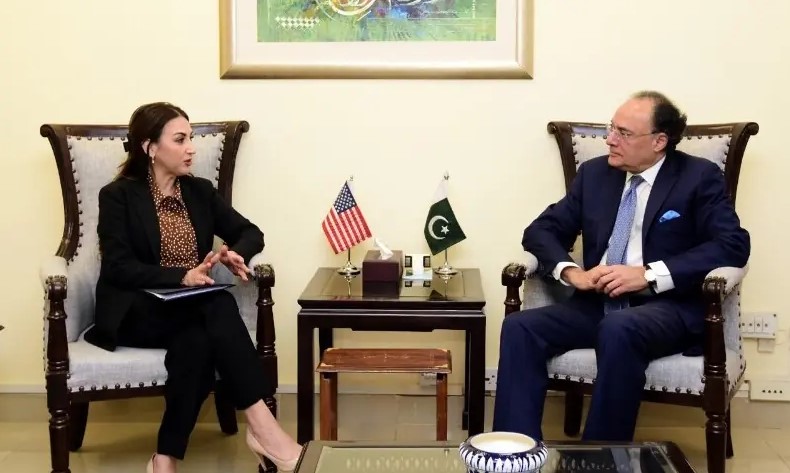
The development was announced by the Ministry of Finance following a key meeting between Finance Minister Muhammad Aurangzeb and the United States Chargé d’Affaires Natalie Baker. The meeting comes ahead of the upcoming spring sessions of the IMF and the World Bank scheduled later this month.
According to an official statement, both sides reviewed Pakistan’s ongoing engagement with international financial institutions and development partners, particularly efforts to sustain reform momentum under the IMF programme.
The finance minister reaffirmed Pakistan’s commitment to fiscal discipline but stressed the need for flexibility in view of rapidly changing global and regional dynamics, especially following the ongoing conflict involving Iran.
During the meeting, Aurangzeb also briefed the US diplomat on steps being taken to address challenges in the energy sector. These include improving procurement strategies, refining pricing mechanisms, and ensuring that subsidies are directed toward the most vulnerable groups.
He explained that while fuel supply arrangements remain stable, the government is working to improve price transmission so that actual costs are reflected in the market, while still protecting segments such as small farmers and public transport users through targeted subsidies.
Pakistan has already frozen major petroleum prices, including petrol and diesel, for the past three weeks. This decision followed an initial increase at the onset of the conflict and has so far cost the national exchequer approximately Rs129 billion.
However, global fuel prices have surged dramatically since the outbreak of the war. Diesel prices have risen by more than 220 percent, while petrol prices have increased by over 80 percent. On Thursday alone, diesel prices jumped by more than 15 percent, marking the highest level in history, with an increase of over $46 per barrel.
In response, the federal government has persuaded provincial administrations to share the responsibility of providing subsidies to key sectors, including motorcyclists, farmers, and public transport operators. The strategy aims to ensure targeted relief while allowing retail fuel prices to reflect actual import costs.
The Ministry of Finance noted that discussions during the meeting also covered broader developments in the energy sector and the overall economic outlook. Both sides emphasised the importance of maintaining economic stability while safeguarding vulnerable segments of society.
Aurangzeb highlighted the wider implications of rising global oil prices, warning that they could significantly increase Pakistan’s import bill, fuel inflation, and pose risks to overall macroeconomic stability.
On her part, Natalie Baker reaffirmed US support for Pakistan’s economic reform agenda and acknowledged the government’s efforts to stabilise the economy despite challenging conditions. She also expressed Washington’s continued interest in promoting investment in key sectors such as energy, mining, technology, and logistics.
The two sides discussed opportunities to enhance bilateral investment flows and explored prospects for collaboration in infrastructure development, digital connectivity, and regional trade.
The finance minister appreciated the constructive role played by US partners and reiterated Pakistan’s commitment to improving the business climate and facilitating foreign investment. He emphasised the government’s focus on structural reforms, export-led growth, and strengthening institutional frameworks.
The meeting also included a comprehensive review of Pakistan-US bilateral relations, current economic trends, and avenues for deeper cooperation in trade, investment, and energy.
Baker referred to a recent symposium held in Washington, DC, organised by the Pakistan Caucus in the US Congress. The event brought together policymakers, members of the Pakistani diaspora, and business leaders to assess progress in bilateral relations and identify future opportunities.
She noted that engagement between Pakistan and the United States is moving in a positive direction, reflecting a shared commitment to strengthening economic and strategic ties.
As Pakistan navigates mounting economic pressures amid global uncertainty, the government’s approach signals a balancing act between maintaining fiscal discipline, securing international support, and shielding vulnerable populations from the full impact of rising energy costs.