










































ISLAMABAD (MNN); A month-long conflict involving the United States, Israel, and Iran could inflict economic losses of up to $194 billion on Arab economies and push millions of people into poverty, according to a report released on Tuesday by the United Nations Development Programme (UNDP).
The UNDP estimated that the region’s gross domestic product (GDP) could shrink by 3.7 to 6 percent — translating into losses between $120 billion and $194 billion — effectively erasing much of the economic growth achieved in 2025.
Abdallah Al Dardari, UN assistant secretary-general and director of the UNDP Regional Bureau for Arab States, said the conflict highlights deep structural vulnerabilities in regional economies. “We hope the fighting will stop tomorrow, as every day of delay has negative repercussions on the global economy,” he added.
The report warned that between 3.7 million and 4 million people in the region could fall below the poverty line, while up to 3.7 million jobs may be lost. The projections are based on a “short but intense” four-week conflict scenario, indicating that economic losses could rise if hostilities continue.
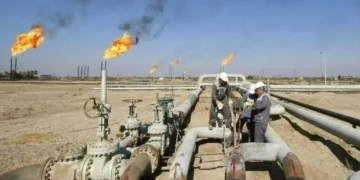
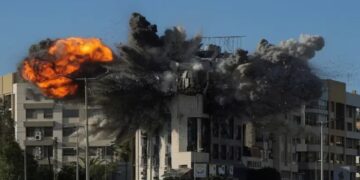
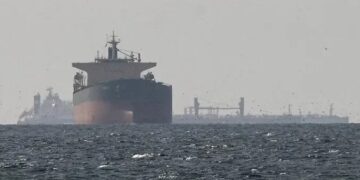
The war has already disrupted energy flows and increased risks in key maritime corridors, especially the Strait of Hormuz, causing volatility in global oil markets. Brent crude prices surged sharply amid tightening supplies and investor concerns.
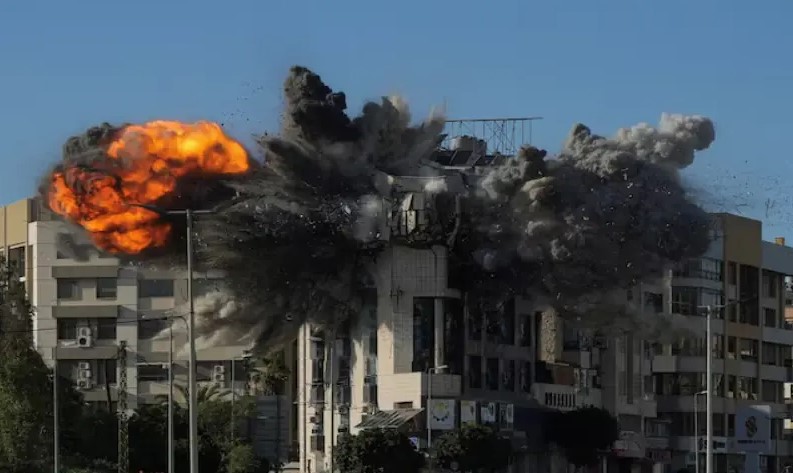
UNDP noted that fragile states such as Sudan and Yemen, along with parts of the Levant, would suffer the most due to existing economic vulnerabilities. Lebanon, already affected by air strikes and mass displacement, faces severe economic pressure on its infrastructure, public services, and economy.
The report also projected a significant economic contraction in Iran, with real GDP growth expected to fall by up to 10.4 percentage points compared to a no-war scenario. Poverty levels in Iran could rise sharply, affecting millions of additional people.
The UNDP cautioned that continued escalation could deepen economic distress across the Middle East and generate spillover effects on global trade, inflation, and supply chains.