

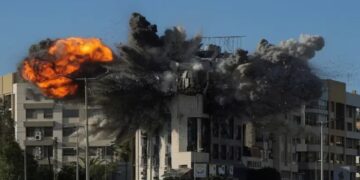






















DUBAI (MNN); Diplomatic momentum is intensifying across the world as major powers and regional players call for an immediate ceasefire and renewed political engagement to end the escalating Middle East conflict, with growing concern over the stability of the strategically vital Strait of Hormuz.
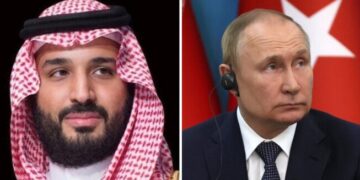
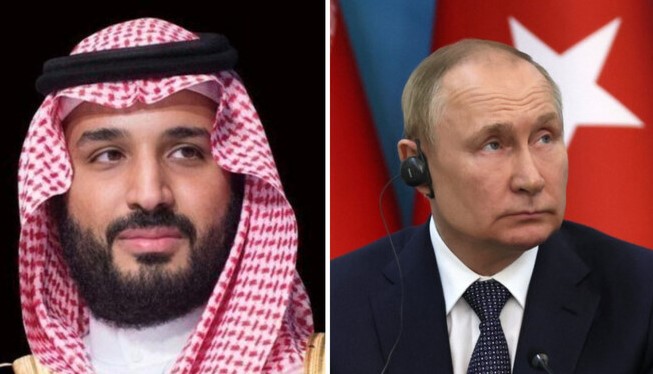
During a high-level phone conversation, Vladimir Putin and Mohammed bin Salman stressed the urgent need to halt hostilities and accelerate diplomatic efforts. According to the Kremlin, both leaders agreed that only sustained political dialogue could lead to a long-term resolution of the conflict, which continues to destabilize the region.
China has also voiced strong concerns regarding the crisis. Wang Yi warned that disruptions in the Strait of Hormuz are a direct consequence of the ongoing war involving Iran. He emphasized that the waterway will remain unstable as long as military operations continue. In his conversation with Faisal bin Farhan Al Saud, Wang called for an immediate ceasefire to prevent further escalation.
European nations are increasingly focusing on humanitarian implications. Antonio Tajani urged the establishment of a humanitarian corridor through the Strait of Hormuz to ensure the uninterrupted supply of fertilizers and essential goods. He warned that disruptions could trigger a severe food crisis, particularly in African countries dependent on such imports. Tajani, alongside counterparts from the Netherlands and the United Arab Emirates, advocated working closely with the United Nations to urgently operationalize this corridor.
France has announced further diplomatic engagement. A spokesperson for the French Foreign Ministry, Pascal Confavreux, confirmed that the Group of Seven will hold a joint meeting with the Gulf Cooperation Council next week to address the deteriorating situation in the Strait of Hormuz.
Germany and China have jointly reaffirmed their stance on maintaining freedom of navigation. Berlin emphasized that no individual state should control critical maritime routes or impose transit fees. The German Foreign Ministry further noted that China could play a key role in influencing Iran toward a negotiated settlement and reducing hostilities in the Gulf region.
Meanwhile, Austria has maintained strict neutrality. A spokesperson for its defense ministry, Michael Bauer, confirmed that all US requests for military overflights have been rejected since the conflict began, in line with Austria’s policy of refusing involvement in conflicts involving warring nations.
The United Kingdom has taken a proactive diplomatic step. Yvette Cooper convened a virtual meeting involving more than 40 countries to discuss reopening the Strait of Hormuz. She criticized Iran’s blockade of the vital waterway, warning that it poses a serious threat to global economic stability.
France’s President Emmanuel Macron dismissed suggestions of a military operation to reopen the strait as unrealistic. Speaking during a visit to South Korea, Macron highlighted the significant risks involved, including threats from Iran’s Revolutionary Guards and advanced missile capabilities. He also criticized Donald Trump for inconsistent statements regarding the conflict, calling for a more coherent and serious approach.
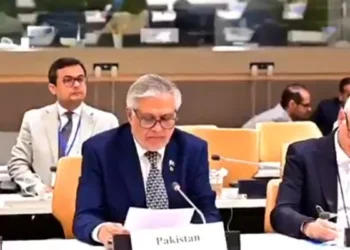
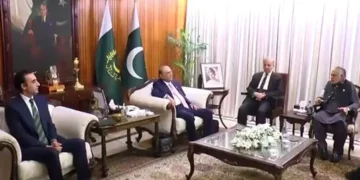
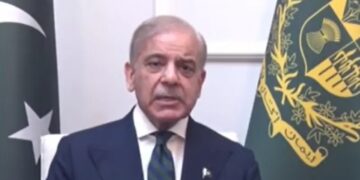
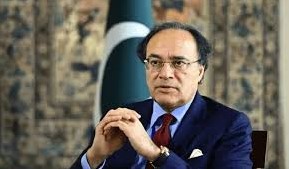
From South Asia, Pakistan has emerged as an active diplomatic player. Prime Minister Shehbaz Sharif stated that Pakistan has made its utmost efforts to promote de-escalation in the Middle East. He praised Ishaq Dar for maintaining continuous engagement with multiple countries and acknowledged the central role of Asim Munir in these efforts.
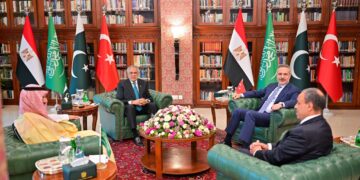
Egypt has also expressed support for diplomatic initiatives. Foreign Minister Badr Abdelatty commended the Pakistan-China five-point initiative aimed at fostering dialogue and resolving the conflict peacefully. Both Pakistan and Egypt reaffirmed their close ties and commitment to ongoing coordination.
In East Asia, South Korea has denied reports suggesting it is considering paying transit fees to Iran for energy shipments through the Strait of Hormuz. Officials clarified that no such proposal is under review, despite concerns over potential supply disruptions.
Finland’s President Alexander Stubb revealed that he had spoken with Iranian President Masoud Pezeshkian, stressing the urgent need for a ceasefire and restoration of maritime security. He emphasized that dialogue must continue despite disagreements.
At the multilateral level, the Gulf Cooperation Council has reiterated its commitment to peace. Secretary-General Jassim al-Budaiwi told the UN Security Council that Gulf states do not seek war but are focused on diplomacy to ensure stability. He warned that continued escalation could have severe consequences for global security.
The United Nations has issued one of the starkest warnings yet. Secretary-General Antonio Guterres cautioned that the conflict risks spiraling into a broader regional war with far-reaching global consequences. He called for an immediate halt to both US-Israeli strikes on Iran and Iranian attacks on neighboring countries.
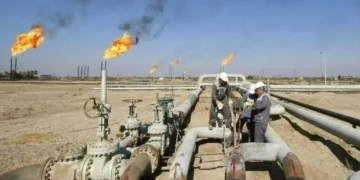
Amid the tensions, energy developments continue to evolve. Iranian state media reported that, for the first time since 2019, a shipment of Iranian oil is being transported to India, signaling a potential shift in energy dynamics despite ongoing sanctions.
Russia is also taking precautionary measures. The head of its state nuclear corporation Rosatom, Alexei Likhachev, stated that Moscow will request a temporary ceasefire from the United States and Israel to safely evacuate remaining personnel from Iran’s Bushehr nuclear facility. A final evacuation phase involving around 200 individuals is expected next week.
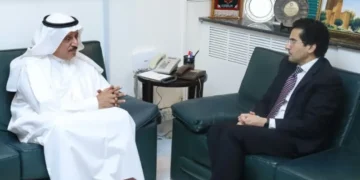
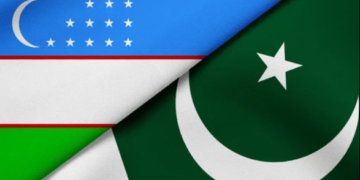
Uzbekistan has praised Pakistan’s diplomatic role. Foreign Minister Bakhtiyor Saidov commended Islamabad’s proactive efforts for regional peace and expressed full support for the Pakistan-China initiative.
In a positive development, the Philippines has received assurances from Iran regarding safe maritime passage. Following talks between Philippine Foreign Minister Ma Theresa Lazaro and Iranian Foreign Minister Abbas Araqchi, Tehran pledged to allow safe and uninterrupted transit of Philippine vessels, energy shipments, and seafarers through the Strait of Hormuz.
Looking ahead, Russia is set to host further diplomatic engagements. Kremlin spokesperson Dmitry Peskov confirmed that President Putin will meet Egyptian Foreign Minister Badr Abdelatty to discuss the ongoing conflict and broader Middle East developments, along with strengthening bilateral relations.
As the crisis continues, global leaders appear united in their call for restraint, diplomacy, and immediate de-escalation, recognizing that the stability of the Strait of Hormuz is critical not only for regional security but also for the global economy.