

































NEWS DESK (MNN); US President Donald Trump has escalated tensions by threatening to target key civilian infrastructure in Iran, including desalination plants, a move experts warn could endanger water supplies for millions and violate international law.
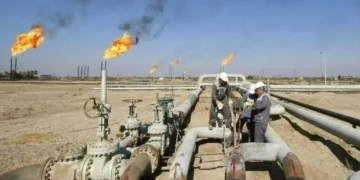
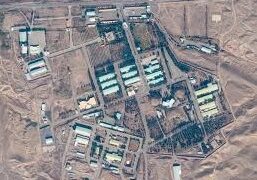
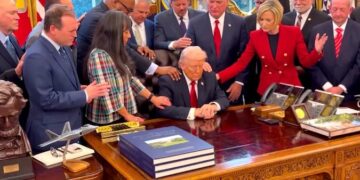
In a social media statement, Trump said Washington was in talks with what he described as a “new and more reasonable regime” in Iran, claiming progress towards ending military operations. However, he warned that failure to reach a deal — or reopen the Strait of Hormuz — could lead to US strikes on Iran’s power plants, oil facilities, Kharg Island, and potentially water desalination plants.
Rights advocates strongly criticised the remarks. Raed Jarrar of the rights group DAWN described the threats as evidence of “criminal intent,” calling them collective punishment and a potential war crime.
The White House responded by stating that the US military operates within legal boundaries, with spokeswoman Karoline Leavitt emphasising that all actions would comply with the law.
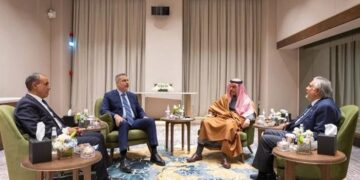
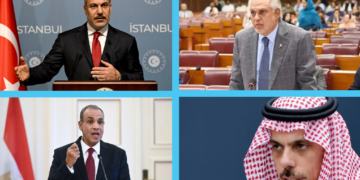
Trump has repeatedly issued deadlines for Iran to reopen the Strait of Hormuz, extending them multiple times, with the latest deadline set for April 6. While he claims Tehran is seeking a deal, Iranian officials have denied direct negotiations, though they acknowledged receiving proposals through intermediaries.
Despite heavy strikes and the reported killing of senior Iranian leadership, including Supreme Leader Ali Khamenei, there is no independent confirmation of a regime change. He was reportedly succeeded by his son Mojtaba Khamenei, a move criticised by Trump.
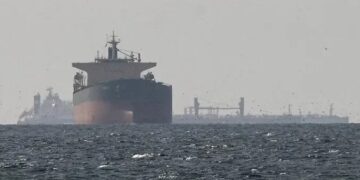
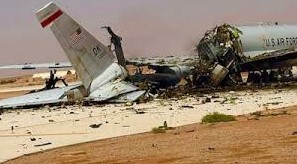
Meanwhile, Iran has continued missile and drone attacks across the region and maintained restrictions in the Strait of Hormuz, contributing to rising global energy prices. Tehran has also warned it would retaliate against civilian infrastructure if its own facilities are targeted.
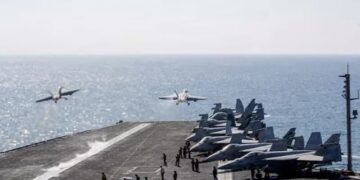
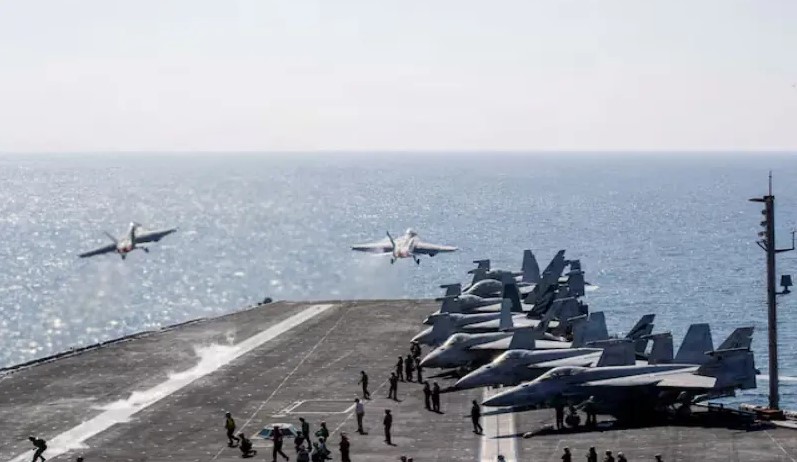
Separately, US military deployments in the region are increasing. Thousands of troops from the 82nd Airborne Division have begun arriving in the Middle East, adding to existing deployments of Marines, sailors, and special operations forces.
The troops, based at Fort Bragg in North Carolina, include command elements, logistics units, and a brigade combat team. While no decision has been made to deploy forces داخل ایران, officials say the buildup is aimed at enhancing readiness for potential future operations.