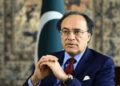


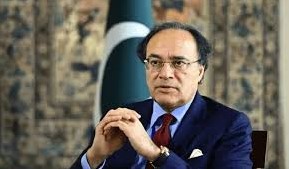






















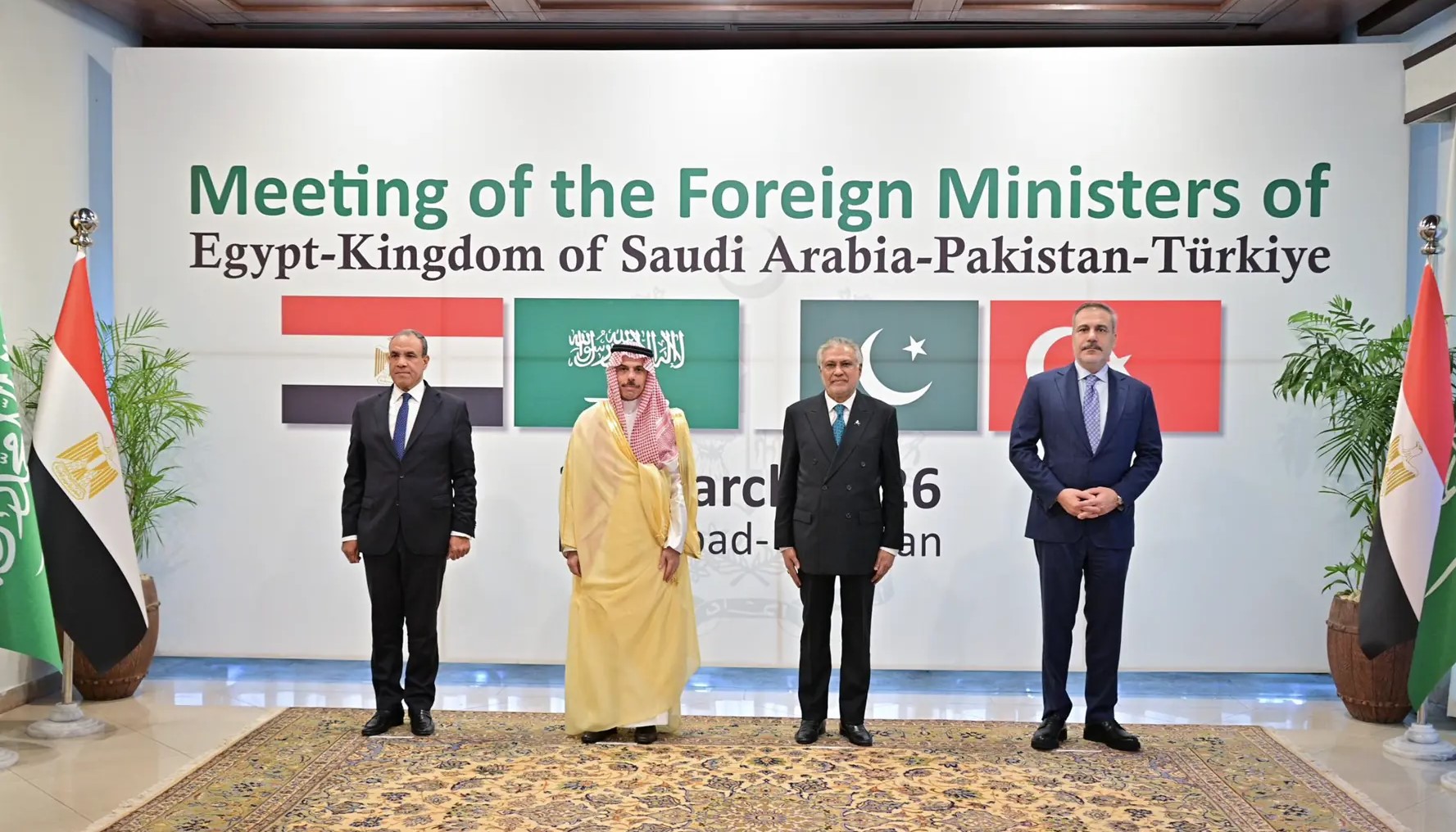
ISLAMABAD; Pakistan has stepped into a pivotal diplomatic role in the escalating Middle East crisis, with Deputy Prime Minister and Foreign Minister Ishaq Dar announcing that both the United States and Iran have expressed confidence in Islamabad’s ability to facilitate dialogue between the two adversaries.
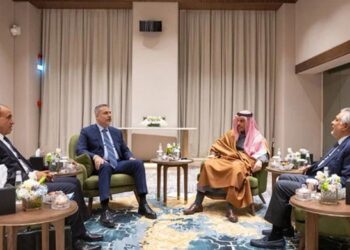
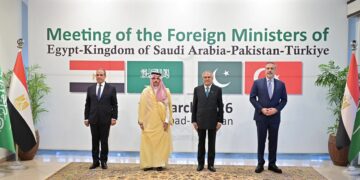
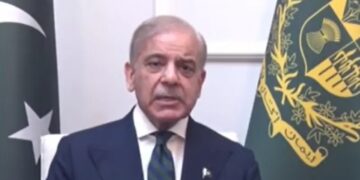
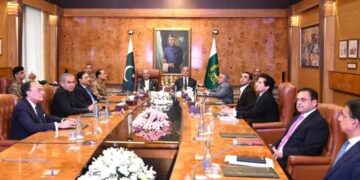
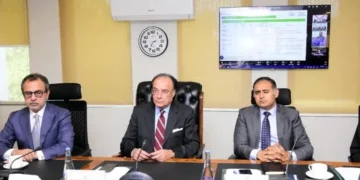
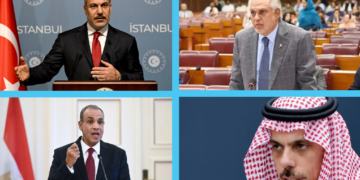
Speaking in a televised address following a high-level quadrilateral meeting in Islamabad, Dar revealed that Pakistan is actively working to create conditions for meaningful negotiations aimed at ending the ongoing conflict in the region. The meeting brought together the foreign ministers of Saudi Arabia, Türkiye, and Egypt, marking a significant step in coordinated diplomatic efforts among key Muslim countries.
Dar described the consultations as “detailed and in-depth,” focusing on the rapidly evolving regional situation and exploring pathways to achieve an early and lasting end to hostilities. He emphasized that the ongoing war has had devastating consequences for lives and livelihoods across the region and warned that continued conflict would only result in further destruction.
“The war is not in favour of any party,” Dar stated, stressing the urgent need for unity among Muslim nations during this critical period. He highlighted that the four participating countries agreed on the importance of collective action to contain the situation, reduce the risks of further military escalation, and pave the way for structured negotiations.
A central element of the discussions was Pakistan’s initiative to host potential talks between the US and Iran. According to Dar, the visiting foreign ministers fully supported this proposal, reaffirming their commitment to diplomacy as the only viable path toward peace.
He noted that all participants underscored the need to uphold the principles of the United Nations Charter, particularly respect for sovereignty and territorial integrity. The leaders also discussed ways to enhance cooperation among their countries, agreeing to establish a committee comprising senior officials from their respective foreign ministries to develop a framework for coordinated diplomatic engagement.
Dar expressed gratitude to the visiting dignitaries for their support of Pakistan’s peace efforts, adding that Islamabad remains actively engaged with both regional and international stakeholders. Under the leadership of Prime Minister Shehbaz Sharif, Pakistan has maintained continuous diplomatic outreach aimed at de-escalating tensions and finding a peaceful resolution.
Highlighting Pakistan’s relations with Washington, Dar said that Islamabad has been in regular contact with US leadership as part of its efforts to ease tensions. He confirmed that both Washington and Tehran have conveyed their trust in Pakistan’s role as a facilitator.
“Pakistan will be honoured to host and facilitate meaningful talks between the two sides,” he said, expressing hope for a comprehensive and lasting settlement to the conflict.
Dar also revealed that China has endorsed Pakistan’s initiative. In a recent conversation with Chinese Foreign Minister Wang Yi, Beijing conveyed its full support for Islamabad’s efforts. Similarly, the Secretary-General of the United Nations has backed Pakistan’s peace initiative, reflecting growing international confidence in its diplomatic role.
In addition, Dar said he has been in contact with foreign ministers from several countries, all of whom have extended support for Pakistan’s mediation efforts. He described this as a strong endorsement of Islamabad’s proactive diplomacy.
Calling for global support, Dar emphasized that Pakistan would require the backing and prayers of the international community to successfully achieve its goal of lasting peace in the region.
The quadrilateral meeting itself is being viewed as an important diplomatic platform that feeds into broader international efforts to end the conflict. While neither the US nor Iran participated directly, the gathering is widely seen as a preparatory step toward a larger diplomatic breakthrough.
Foreign ministers from Egypt and Türkiye arrived in Islamabad ahead of the meeting, while Saudi Arabia’s top diplomat joined on Sunday. Security was tightened across the capital, particularly in the Red Zone, where key government institutions and diplomatic missions are located.
In addition to the multilateral discussions, Dar held separate bilateral meetings with his counterparts from Türkiye, Egypt, and Saudi Arabia.
In his meeting with Türkiye’s Foreign Minister Hakan Fidan, both sides reaffirmed their commitment to expanding cooperation across various sectors. Dar highlighted the deep-rooted historical and cultural ties between the two countries and expressed satisfaction with the positive trajectory of their strategic partnership. The two leaders also exchanged views on regional developments, particularly the situation in Iran, emphasizing the importance of sustained diplomatic engagement.
Similarly, in talks with Egyptian Foreign Minister Dr Badr Abdelatty, both countries agreed to strengthen cooperation across multiple domains, including defence, trade, and health. Dar appreciated Egypt’s support in combating Hepatitis-C and acknowledged Cairo’s role in facilitating humanitarian assistance to Gaza.
Both sides reiterated their support for the Palestinian people and condemned ongoing Israeli actions in Gaza and the West Bank. They also agreed to maintain close coordination at international forums such as the United Nations and the Organisation of Islamic Cooperation.
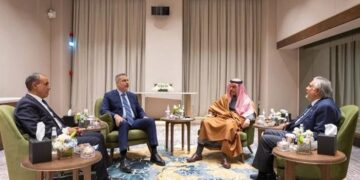
In his meeting with Saudi Foreign Minister Prince Faisal bin Farhan Al Saud, Dar discussed regional and global developments, with both sides emphasizing the importance of dialogue and collective efforts to promote peace and stability. They reaffirmed their commitment to strengthening bilateral ties and enhancing cooperation at all levels.
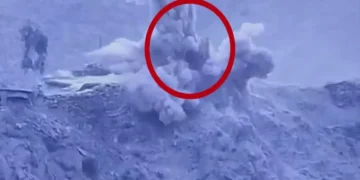
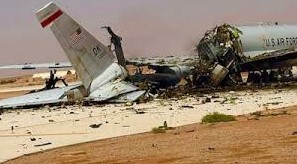
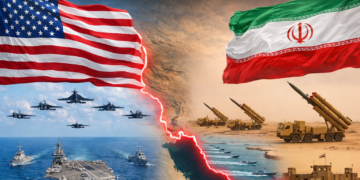
Pakistan’s diplomatic outreach comes in response to escalating tensions in the Middle East following US and Israeli strikes on Iran in late February, which triggered a cycle of retaliatory actions by Tehran. The conflict has since expanded, raising concerns of a broader regional war.
Islamabad has been actively engaging with Washington, Gulf capitals, and other Muslim countries to create momentum for dialogue. Initially planned to take place in Türkiye, the quadrilateral meeting was moved to Islamabad due to Pakistan’s increasing diplomatic involvement.
According to diplomatic sources, potential US-Iran talks could take place in Islamabad within days, possibly led by US Secretary of State Marco Rubio and Iranian Foreign Minister Abbas Araghchi. There are also expectations that a ceasefire announcement could coincide with the start of negotiations, although this remains contingent on developments on the ground.
German Foreign Minister Johann Wadephul has also indicated that direct talks between the US and Iran could occur in Pakistan in the near future, further underscoring Islamabad’s emerging role as a key diplomatic hub.
As tensions remain high, Pakistan’s efforts to mediate between the two sides represent a significant opportunity to de-escalate the crisis and work toward a sustainable peace agreement.