





























PARIS (MNN); Finance and economy ministers of the Group of Seven on Monday pledged to take “all necessary measures” to ensure stability in global energy markets as tensions escalate due to the ongoing conflict in the Middle East.
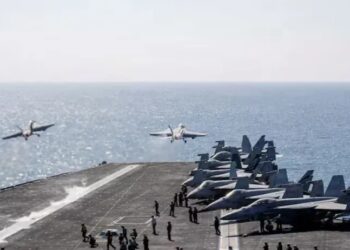
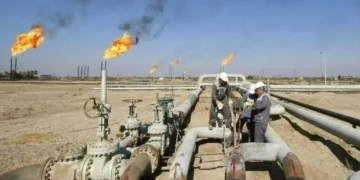
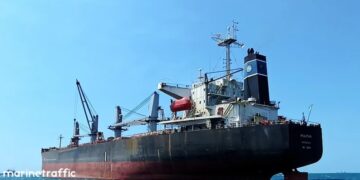
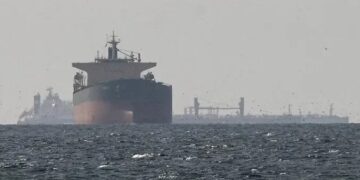
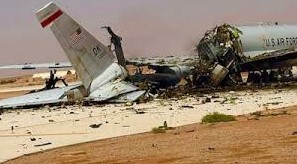
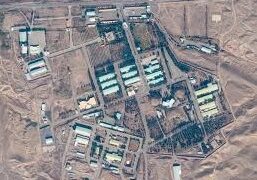
The crisis follows military strikes by the United States and Israel on Iran in late February. In response, Tehran has targeted oil-exporting states in the region and significantly disrupted shipments through the Strait of Hormuz.
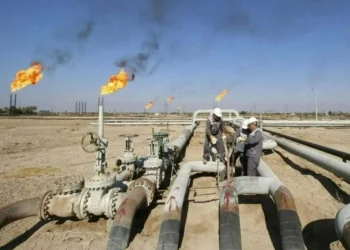
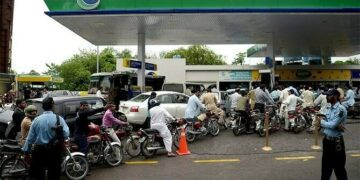
The resulting supply constraints have driven up oil and gas prices, impacting global supply chains and increasing economic pressure across industries.
In a joint statement, G7 finance ministers, energy officials, and central bank governors said they are prepared to act in close coordination to safeguard energy market stability and ensure broader macroeconomic security.
They emphasised the importance of coordinated international efforts to reduce economic spillover effects and protect global growth, adding that they are closely monitoring financial market conditions.
The group also urged countries to avoid imposing unjustified export restrictions on hydrocarbons and related products.
The G7 comprises the United States, Canada, Britain, France, Germany, Italy, and Japan, and plays a key role in shaping economic policy among leading global economies. France currently holds the rotating presidency.
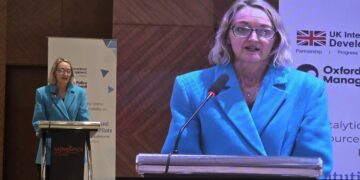
French Finance Minister Roland Lescure said the situation in the Gulf is having wide-ranging energy, economic, financial, and inflationary consequences, stressing the urgency of coordinated action.
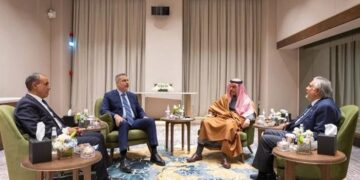
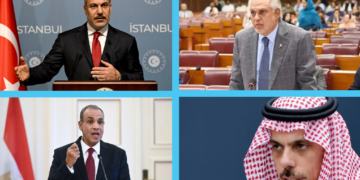
Meanwhile, the United States has sought support from G7 members to pressure Iran into restoring free navigation through the Strait of Hormuz. Earlier, G7 foreign ministers described it as an “absolute necessity” to ensure uninterrupted passage and called for an end to attacks on civilian infrastructure.
Governments worldwide are rolling out measures to cushion the impact of rising energy costs. France has announced €70 million in support for sectors such as fishing, agriculture, and transport for April.
Lescure said support measures must be swift and targeted, warning that the crisis will impose significant costs on national economies.
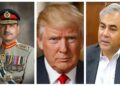
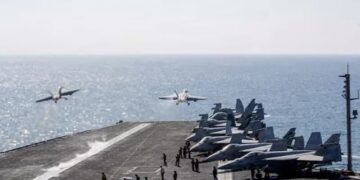
US officials, including President Donald Trump, have claimed their objectives in the conflict are nearing completion, even as thousands of American troops have been deployed to the region.
According to activists, more than 3,000 people have been killed in Iran, over half of them civilians, while over 1,000 deaths have been reported in Lebanon since Israeli strikes began following Hezbollah attacks earlier this month. Lower casualty figures have been reported in Israel and Gulf countries.