





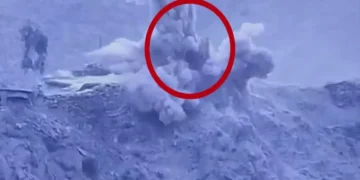






































NEWS DESK (MNN); The ongoing conflict in the Middle East has intensified further, with Iranian state media reporting that a joint US-Israeli strike targeted a unit of the Tabriz Petrochemical Company in northwestern Iran.
According to Iran’s Tasnim news agency, a senior official from East Azerbaijan’s crisis management authority confirmed that the situation at the facility was “under control.” Rescue and operational teams were immediately deployed to the site, and authorities stated that no toxic or hazardous materials were released as a result of the attack.
The reported strike marks another escalation in a rapidly expanding conflict that has already drawn in multiple countries and affected critical infrastructure across the region.
Meanwhile, a senior commander of Iran’s Islamic Revolutionary Guard Corps (IRGC), Seyed Majid Mousavi, заявил that Iran has begun retaliatory operations targeting strategic assets linked to the United States and Israel across the Middle East.
He claimed that Iranian forces have already struck several high-value industrial targets, including the Neot Hovav Industrial Zone chemical facility, oil refineries, steel mills, and aluminium complexes. Mousavi warned that what he described as “painful strikes” would continue until Iran achieves its objectives, signaling a prolonged phase of confrontation.
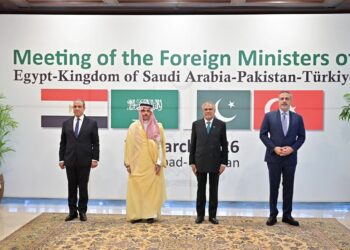
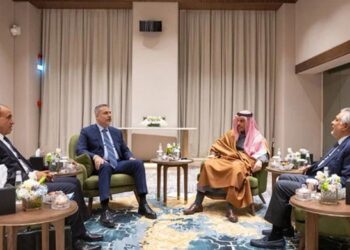
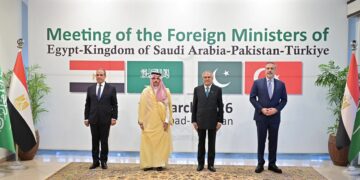
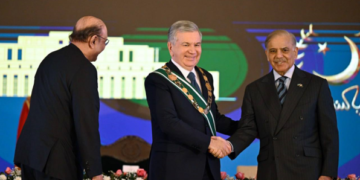
Amid the escalating hostilities, Pakistan has announced its willingness to host talks between Washington and Tehran in an effort to de-escalate tensions. However, there has been no immediate confirmation from either the United States or Iran regarding participation or the format of such negotiations.
Iran’s Parliament Speaker, Mohammad Bagher Qalibaf, dismissed the proposed talks, suggesting they were a distraction following the arrival of approximately 2,500 US Marines in the region for amphibious operations. He warned that Iranian forces were prepared to confront any ground deployment of American troops and vowed strong retaliation.
The conflict has also raised concerns beyond military installations. Following Israeli airstrikes that reportedly hit academic institutions, US-affiliated universities in the region have taken precautionary measures. The American University of Beirut has shifted classes online, while the US Embassy in Iraq warned that American universities in Baghdad, Sulaymaniyah, and Dohuk could face potential threats.
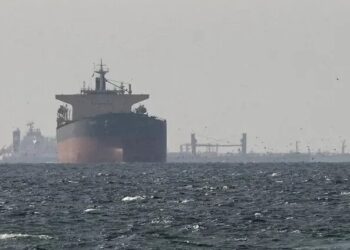
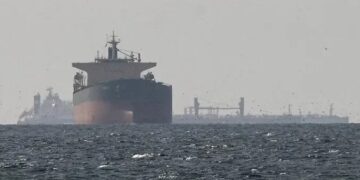
The war is increasingly impacting global markets, particularly energy supplies. Iran’s control over the strategically vital Strait of Hormuz has disrupted oil and gas flows, contributing to rising global prices and uncertainty. In response, US President Donald Trump has extended his deadline to April 6 for Iran to reopen the crucial shipping route.
Over the past month, Iranian retaliatory strikes have reportedly targeted US military assets across several countries, including Saudi Arabia, the United Arab Emirates, Bahrain, Jordan, and Kuwait. These attacks are said to have damaged radar systems, drones, and missile defence installations, including the Terminal High Altitude Area Defense (THAAD) system.
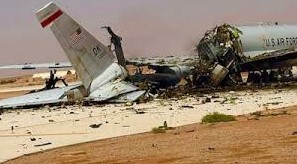
One of the most significant incidents reportedly occurred at the Prince Sultan Air Base near Riyadh. According to multiple reports, Iranian missiles and drones struck the facility, damaging several US military aircraft.
The attack is said to have affected KC-135 refuelling tankers and at least one E-3 Sentry airborne warning and control system aircraft, commonly known as AWACS. Reports indicate that at least 15 American personnel were injured, with several in critical condition, although US and Saudi authorities have not officially confirmed these details.
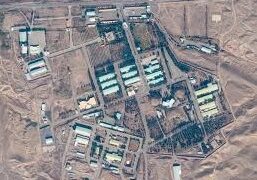
Iranian military spokesperson Ebrahim Zolfaghari stated that one refuelling aircraft was destroyed and several others rendered inoperable. Satellite imagery released by Iranian media purportedly shows extensive damage at the base.
If confirmed, this would mark the second attack on the same base within a week, following an earlier strike that reportedly damaged multiple aircraft.
Military analysts have highlighted the significance of the potential damage to the E-3 Sentry aircraft, which plays a crucial role in modern warfare.
The AWACS platform, based on a modified Boeing 707 airframe, is equipped with a rotating radar dome capable of tracking aircraft, missiles, and drones over distances exceeding 375 kilometres. It provides real-time situational awareness and command-and-control capabilities, making it a key asset in coordinated military operations.
Former US Air Force officials have described any loss or damage to such systems as a serious setback. Experts note that the aircraft is essential for managing airspace, coordinating missions, and maintaining battlefield awareness during complex operations.
The United States currently operates a limited fleet of these aircraft, with several deployed to Europe and the Middle East as part of its ongoing military campaign.
As tensions continue to escalate, the conflict shows no immediate signs of de-escalation. Diplomatic efforts, including Pakistan’s proposed mediation, may offer a potential pathway to dialogue, but the situation on the ground remains volatile and unpredictable.