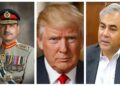





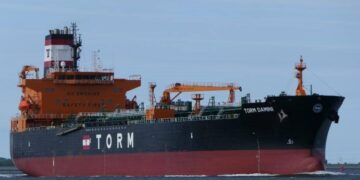





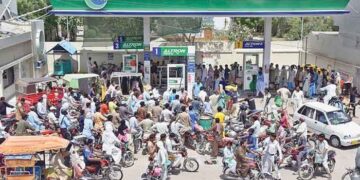
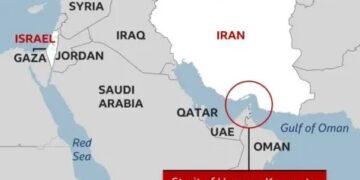

























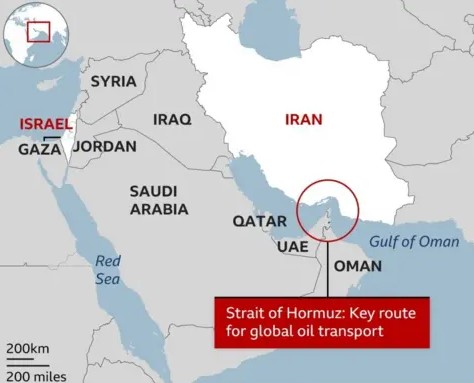
News Desk (MNN); U.S. President Donald Trump on Sunday urged China, France, Japan, South Korea, Britain, and other countries to send warships to ensure the Strait of Hormuz remains “open and safe.” However, no country made any commitments, while global oil prices continue to rise amid the ongoing conflict with Iran.
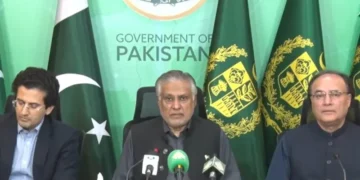
Iranian Foreign Minister Abbas Araghchi told CBS that Tehran had received requests from several countries for safe passage of their vessels, but said the decision lies with Iran’s military. Some foreign ships were allowed to pass, though no further details were provided. Iran maintains that the strait, through which roughly one-fifth of global oil exports pass, is open to all except the United States and its allies.
Araghchi also said Iran sees no reason to negotiate with the United States to end the war, highlighting that Israel and the U.S. began the conflict with coordinated attacks on February 28 during indirect U.S.-Iran nuclear talks. He further stated that Iran has no plan to recover enriched uranium that was destroyed in previous U.S. and Israeli strikes.
U.S. Energy Secretary Chris Wright said he has been in dialogue with some of the countries mentioned by Trump and expects China to play a constructive role in reopening the strait. Still, no countries made formal commitments. Britain discussed the matter with Trump and separately with Canada. China emphasized communication with relevant parties to reduce tensions, while South Korea said it would closely coordinate with the U.S.
France said it is exploring an international mission to escort vessels through the strait when conditions allow. Germany, which was not mentioned in Trump’s call, confirmed it has no plans to join the conflict. Meanwhile, the International Energy Agency announced that emergency oil reserves, totaling nearly 412 million barrels, will be released to global markets soon to help ease the price surge.
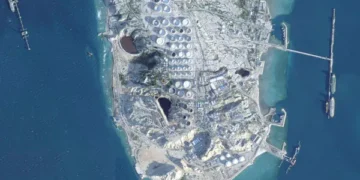
Gulf Arab states, including Saudi Arabia, Kuwait, and Bahrain, reported missile and drone attacks a day after Iran called for the evacuation of three major ports in the United Arab Emirates. Iran accused the U.S. of carrying out strikes on Kharg Island from the UAE, though it provided no evidence. Gulf countries hosting U.S. bases denied allowing their land or airspace to be used for military operations against Iran.
Iranian missile and drone attacks have caused civilian casualties in Gulf countries, most of them migrant workers. In Iran, the International Committee of the Red Cross reported more than 1,300 deaths, including 223 women and 202 children. Israeli attacks have killed at least 12 civilians, and at least 13 U.S. military personnel have died. In Lebanon, 820 people have been killed and more than 800,000 displaced due to clashes between Iran-backed Hezbollah and Israel.
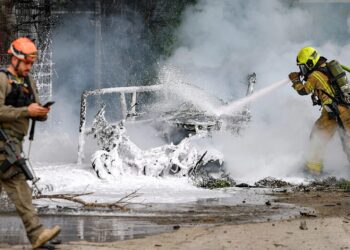
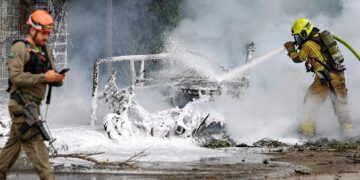
Iran continues to fire missiles toward Israel, while Israel has conducted strikes on multiple sites in central Israel and Tel Aviv, causing significant damage and fires. Israeli authorities also reported the use of cluster bombs by Iran that evade some air defenses and scatter submunitions across several locations.