





































ISLAMABAD (MNN); Prime Minister Shehbaz Sharif on Sunday directed authorities to develop a comprehensive strategy for exporting surplus food items to Gulf countries while ensuring that Pakistan’s domestic nutritional needs remain fully protected.
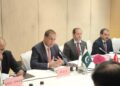
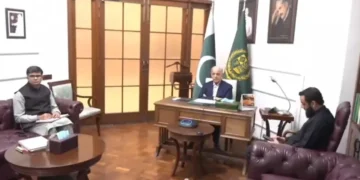
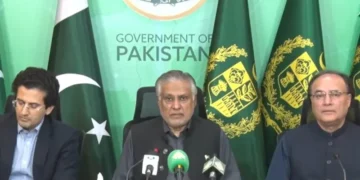
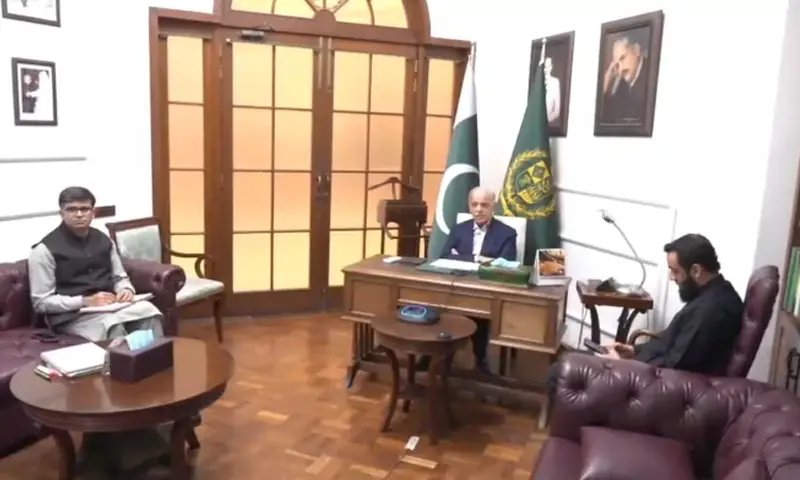
The directive was issued during a high-level meeting chaired by the premier to review the country’s food situation and explore the possibility of exporting excess commodities in light of the evolving regional circumstances, according to a statement released by the Prime Minister’s Office.
The meeting took place against the backdrop of an ongoing conflict in the Middle East that began on February 28, when the United States and Israel launched attacks on Iran. The conflict has since expanded, with Iran retaliating by targeting US assets and military bases located in several Gulf countries.
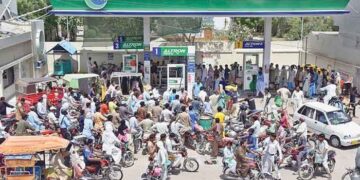
The tensions have also disrupted global energy markets, particularly due to disturbances in shipping activity through the Strait of Hormuz — a vital maritime corridor through which nearly a quarter of the world’s oil supply normally passes. As a result, many countries, including Pakistan, are facing rising fuel pressures.
In response to the developing situation, the government has introduced several austerity measures aimed at reducing fuel consumption and limiting public expenditure.
During the meeting, Prime Minister Shehbaz emphasised the importance of supporting Gulf countries by providing the food items they require while maintaining Pakistan’s own food security.
Officials informed the meeting that Pakistan currently possesses sufficient stocks of food commodities and that there is no shortage of essential items in the country.
The prime minister noted that disruptions in global supply chains have created new opportunities for Pakistani products in regional markets, potentially increasing export demand for agricultural commodities.
He instructed relevant departments to prepare a detailed export plan for surplus food items to Gulf countries without affecting domestic supply. The premier also stressed that the highest quality standards must be maintained in all exported food products.
Furthermore, he directed authorities to closely monitor the supply and demand of food commodities to ensure that Pakistan’s food requirements continue to be met effectively.
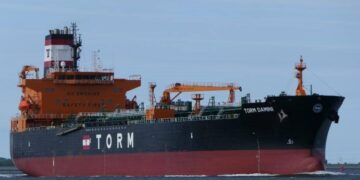
Prime Minister Shehbaz also ordered the Pakistan National Shipping Corporation to take the necessary steps to facilitate the transportation of food exports to Gulf states through sea routes.
Officials briefed the meeting that Pakistan’s agriculture sector — including crops, meat, poultry, dairy products and seafood — holds significant export potential.
To ensure continuous monitoring of the situation, the prime minister directed that a special committee be formed to review developments on a daily basis.
The statement added that Pakistani ambassadors and trade officers posted in Gulf countries have also been instructed to remain proactive in promoting trade opportunities.
Deputy Prime Minister and Foreign Minister Ishaq Dar, along with several federal ministers and senior officials, attended the meeting.