
















NEWS DESK (MNN); Tensions across the Middle East have intensified following a series of attacks and retaliatory actions linked to Iran, drawing strong reactions from regional and global leaders.
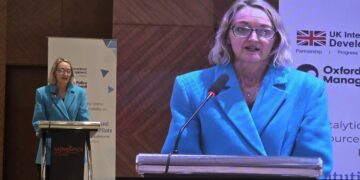
Saudi Arabia’s Defence Minister Khalid bin Salman said he held talks with French Armed Forces Minister Catherine Vautrin, during which he condemned Iranian attacks on the Kingdom. The two officials also discussed regional developments and the security implications of the escalating conflict.
Meanwhile, US Secretary of State Marco Rubio urged Iraqi leadership to ensure the protection of the US Embassy in Baghdad following protests. During a call with Iraqi Prime Minister Mohammed Shia al-Sudani, Rubio stressed the importance of safeguarding American diplomatic personnel and facilities.
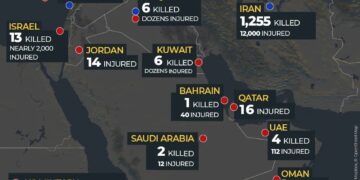
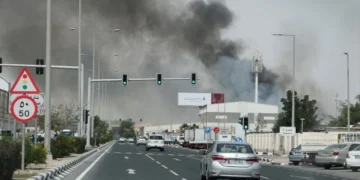
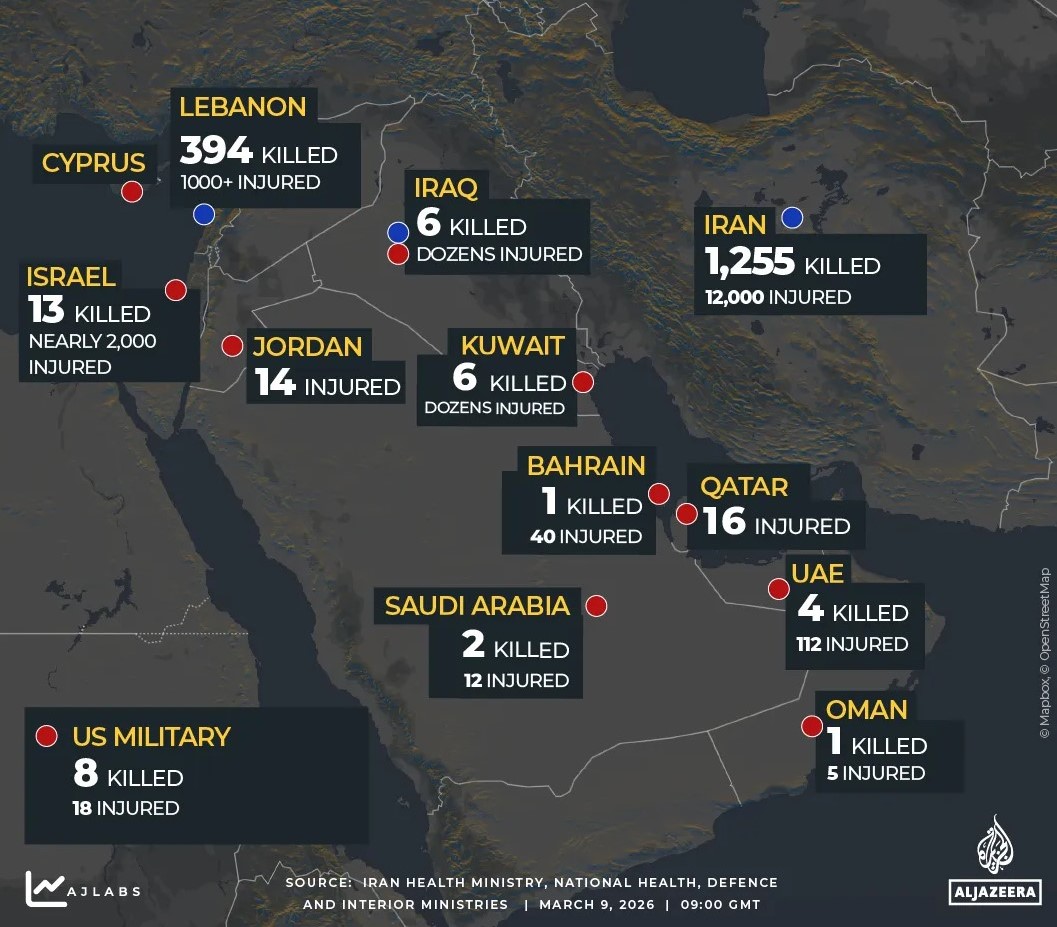
In Manama, Bahrain reported that one person was killed and several others injured after an Iranian attack struck a residential building in the capital. The United Arab Emirates also confirmed that its consulate in Iraq’s Kurdish region was targeted by a drone strike that caused damage but no casualties.
Australian Prime Minister Anthony Albanese announced that Australia would deploy a military surveillance aircraft to the Middle East and supply medium-range air-to-air missiles at the request of the UAE to help protect civilians.
Saudi Arabia also expressed condolences to Kuwait and the UAE over the deaths of troops and security personnel in Iranian attacks, reaffirming its solidarity with the Gulf nations.
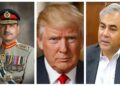
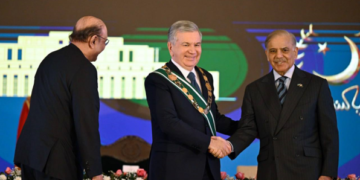
In a separate development, King Hamad bin Isa Al Khalifa of Bahrain and Pakistan’s Army Chief Asim Munir discussed the worsening Middle East crisis during a phone call. Munir condemned missile and drone attacks on Bahrain and reiterated Pakistan’s support.
An Iraqi armed group, Saraya Awliya al-Dam, claimed responsibility for a drone attack on the Victoria military airbase at Baghdad International Airport. Similar drone attacks recently targeted a US military base and a hotel in Erbil.
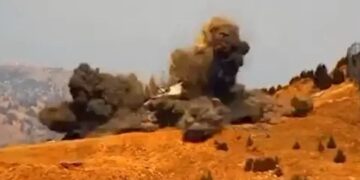
Meanwhile, the Lebanese group Hezbollah said it launched rockets toward an Israeli military position near the border town of Houla, describing it as retaliation for Israeli strikes on Lebanese cities and suburbs of Beirut.
Iranian President Masoud Pezeshkian held talks with Turkish President Recep Tayyip Erdogan, accusing Israel and the United States of attempting to create divisions between Iran and its neighbours. Pezeshkian said Iran was ready to reduce regional tensions if countries hosting US bases did not allow their territory to be used for attacks.
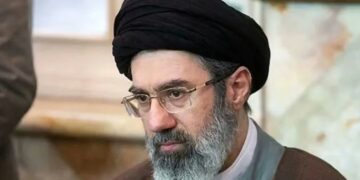
Erdogan offered condolences over the death of Iran’s Supreme Leader Ali Khamenei, who was reportedly killed in a US-Israeli strike, and wished success to his successor Mojtaba Khamenei.
In Lebanon, the Health Ministry reported that seven people were killed in an Israeli attack on the southern town of Al-Namiriya, while another air strike hit Haddatha.
Saudi Arabia’s defence ministry said it intercepted and destroyed three drones heading toward the Shaybah Oil Field in the Empty Quarter desert.
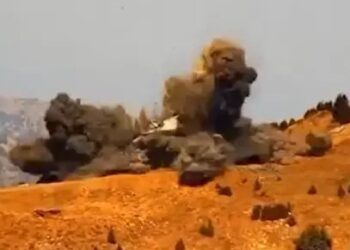
Heavy attacks were also reported in Tehran, where at least 40 people were killed after a strike hit residential buildings in the eastern part of the capital. Explosions were also reported in Isfahan, raising concerns because of its proximity to nuclear facilities. Reports said a governor’s office and a historic palace listed as a UNESCO World Heritage site were damaged.
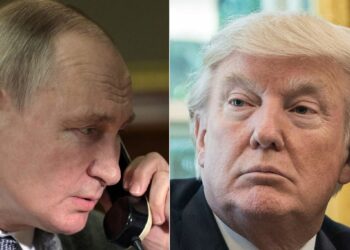
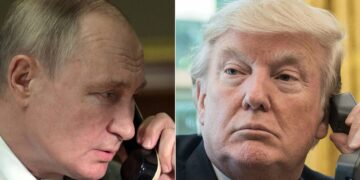
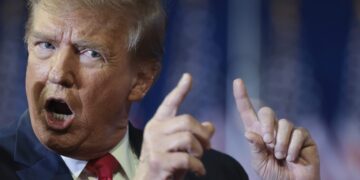
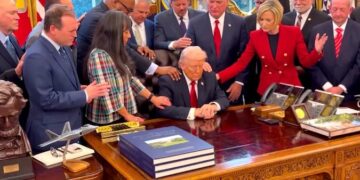
US President Donald Trump said American and Israeli forces had carried out thousands of strikes on Iranian targets in recent days, targeting drone and missile capabilities.
“We’ve struck over 5,000 targets today, some of them very major,” Trump said at a press conference in Doral, Florida, adding that Iran’s missile capability had been reduced to about 10 percent.
Trump said the United States and Israel had conducted some of the most complex military operations ever seen and expressed hope that the war could end “very soon.”