



















































ISLAMABAD (MNN); Courts across Pakistan will adopt a four-day work week and encourage the use of video-link facilities for hearings as part of austerity and fuel conservation measures introduced in response to the ongoing fuel crisis triggered by the Middle East conflict.
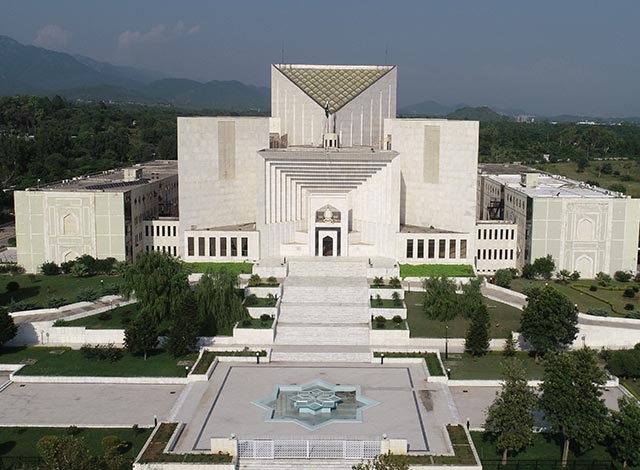
According to a notification issued by the Supreme Court of Pakistan, the decision has been taken in view of the possible disruption in the supply of petroleum products and rising global energy costs.
The notification stated that prudent and responsible steps were necessary to conserve national resources during the current situation.
Under the new measures, the Supreme Court will operate from Monday to Thursday, while Friday, Saturday and Sunday will be observed as holidays until further notice.
The notification also directed that the monthly limit of Petroleum, Oil and Lubricants (POL) allocated to judges and entitled officers be reduced by 50 percent as part of energy conservation efforts.
It further stated that no additional protocol or security vehicles would be deployed for movement within designated high-security zones. However, relevant authorities will continue to ensure route security in accordance with established protocols.
The Supreme Court also encouraged litigants and lawyers to participate in court proceedings through video-link facilities wherever possible in order to reduce travel and fuel consumption.
In addition, rotational attendance arrangements will be implemented for court staff, where feasible, to minimize commuting and cut down on energy use while maintaining essential judicial functions.
Meanwhile, Chief Justice of Pakistan Yahya Afridi chaired a virtual meeting of the National Judicial Policy Making Committee at the Supreme Court to discuss the implementation of similar measures across the judiciary.
During the meeting, it was decided that the same austerity and energy conservation policies would also be implemented in the Federal Shariat Court, high courts and district courts throughout the country.
According to a press release issued after the meeting, the committee approved a comprehensive Judicial Austerity and Energy Conservation Strategy aimed at ensuring responsible use of national resources while maintaining uninterrupted access to justice.
The statement said the measures reflected the judiciary’s proactive response to the anticipated disruption in petroleum supply and increasing global energy costs, highlighting the institution’s commitment to national resilience and responsible governance.