





























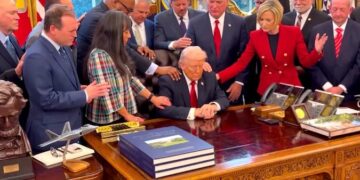











NEWS DESK (MNN); Donald Trump has stated that the next supreme leader of Iran would need approval from the United States, warning that any leader chosen without Washington’s backing “will not last long.”
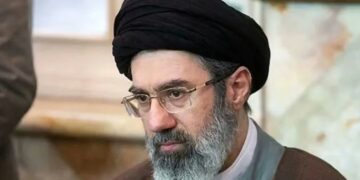
Trump made the remarks during an interview shortly after reports emerged that Iran’s Assembly of Experts had selected a successor to Ayatollah Ali Khamenei, who was killed following the start of the conflict involving the US and Israel on February 28.
The US president said his administration wants to ensure that future governments do not face the same security threats from Iran, particularly regarding its nuclear ambitions. He warned that Washington would not allow Tehran to obtain nuclear weapons.
Iranian officials swiftly rejected Trump’s statement. Foreign Minister Abbas Araghchi stressed that the selection of a new leader is an internal matter for the Iranian people and would be decided by the Assembly of Experts elected by the public.
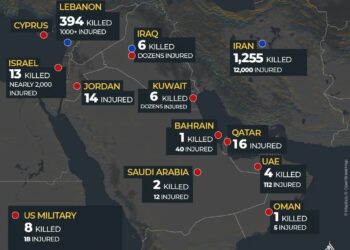
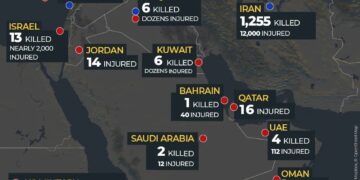
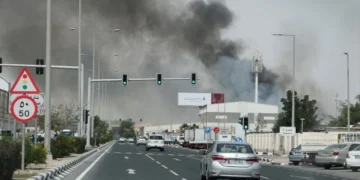
The tensions come as Iran continues retaliatory strikes across the Middle East. Gulf countries including Kuwait, Qatar, Saudi Arabia and the United Arab Emirates reported further missile and drone attacks.
Iranian President Masoud Pezeshkian had earlier apologised to Gulf states and promised to halt attacks if their territories were not used for strikes against Iran.
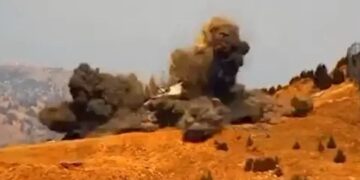
Meanwhile, the US and Israeli forces expanded their military campaign, targeting oil storage facilities and refineries in Tehran for the first time.
Iran also launched a drone strike that damaged a desalination plant in Bahrain, while an Israeli airstrike on a hotel in Beirut, Lebanon reportedly killed at least four people.
Seventh US Soldier Killed
Shortly before Trump’s remarks, the United States Central Command confirmed that a seventh American soldier had died since the start of the conflict. The soldier was wounded during an attack on US forces in Saudi Arabia on March 1 and later died from injuries.
According to reports, the death toll from the conflict has reached more than 1,300 in Iran, while several fatalities have also been reported across the Gulf region and Israel.
Regional and Economic Concerns
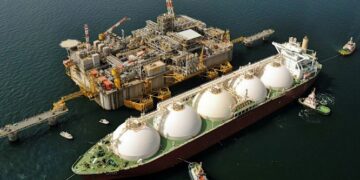
The widening conflict has also raised fears of disruption in global energy markets. Officials in the Trump administration have attempted to calm concerns about rising oil and gas prices.
White House spokesperson Karoline Leavitt said the government was addressing what she described as a short-term market disruption and was exploring energy supply options, including oil access in Venezuela.
Energy Secretary Chris Wright said the US also has large strategic oil reserves and insisted that the conflict would not become a prolonged war.
However, diplomatic concerns remain high. Badr Albusaidi, the foreign minister of Oman, warned that the region had reached a “dangerous turning point” as the fighting escalates.