




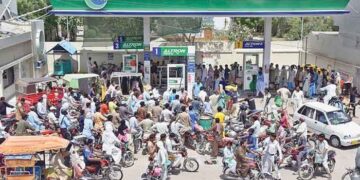





















LAHORE / PESHAWAR (MNN); The governments of Punjab and Khyber Pakhtunkhwa have introduced a series of austerity and fuel-saving measures in response to the growing petroleum crisis and economic pressures caused by the ongoing regional conflict.
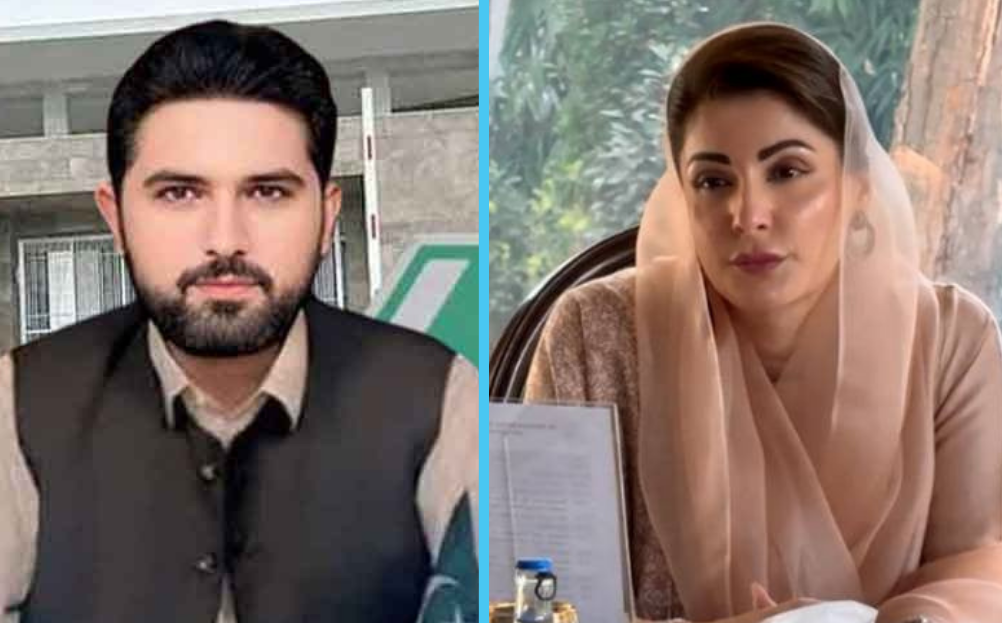
In Punjab, Chief Minister Maryam Nawaz approved a comprehensive plan aimed at reducing fuel consumption and ensuring stable supply of petroleum products across the province.
Under the new policy, free petrol allocations for provincial ministers have been suspended until the petroleum crisis ends. In addition, fuel allowances for official vehicles of government officers have been reduced by 50 percent.
The use of additional protocol vehicles by ministers and senior officials has also been restricted. According to the directive, only one security vehicle will be allowed to accompany them during official movement.
To further conserve fuel and energy, the Punjab government has introduced a work-from-home policy for government departments. Only essential staff will be required to attend offices physically while other employees will perform their duties remotely.
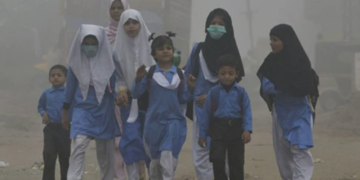
As part of the energy-saving strategy, all schools, colleges and universities across Punjab will remain closed from March 10 to March 31. Educational institutions have been permitted to conduct online classes during this period, while examinations will proceed according to their scheduled dates.
The provincial government has also decided to suspend all official outdoor events. The Lahore Horse and Cattle Show scheduled to begin on March 28 has been postponed.
Chief Minister Maryam Nawaz has directed authorities to form district-level petroleum monitoring committees to supervise the supply and distribution of fuel products. The Punjab Information Technology Board (PITB) has been tasked with developing a track-and-trace system to monitor petroleum movement and prevent irregularities.
Authorities have also been instructed to strictly monitor transport fares and food prices across the province to prevent profiteering during the crisis.
Appealing to citizens for cooperation, the chief minister urged the public to avoid unnecessary purchases, limit large gatherings and refrain from hoarding fuel or essential commodities. She warned that strict legal action would be taken against individuals attempting to exploit the situation for financial gain.
Meanwhile, the Khyber Pakhtunkhwa government also announced fuel conservation measures for an initial period of two months.
According to officials, the provincial cabinet approved the “Fuel Conservation and Responsible Governance Initiative,” aimed at reducing government fuel consumption and controlling expenditures.
Under the plan, fuel allowances for official vehicles in the province have been reduced by 25 percent. Since a similar reduction had already been implemented during the Covid-19 pandemic, the overall reduction now reaches 50 percent.
However, the cut will not apply to police, rescue services and other law enforcement agencies due to the nature of their operational responsibilities.
The KP government has also introduced a 50 percent work-from-home policy for government departments, while most official meetings will be conducted virtually through online platforms.
The provincial cabinet also decided to reduce the use of VIP protocol vehicles and government helicopters. Authorities said unnecessary events and official dinners would be avoided to ensure fiscal discipline.
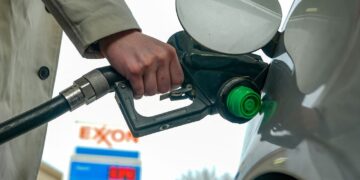
Officials added that the government would closely monitor fuel stations and take strict action against hoarding or artificial shortages.
The provincial government has assured farmers that diesel supply will be ensured during the wheat harvesting season so that agricultural activities remain unaffected.
The announcement comes shortly after KP Chief Minister Sohail Afridi introduced a subsidy programme for registered motorcycle riders in the province following a sharp rise in petroleum prices.
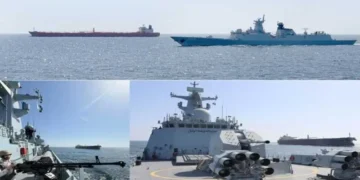
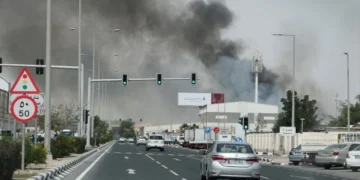
The fuel conservation measures by both provinces come amid a worsening global fuel crisis triggered by escalating tensions and the ongoing conflict involving the United States, Israel and Iran, which has disrupted energy markets and pushed international oil prices higher.
Authorities in both provinces say the measures are aimed at protecting the economy and ensuring responsible use of resources without placing additional burden on the public.