






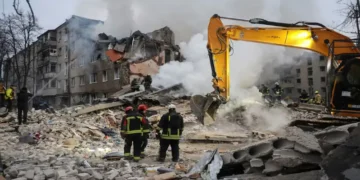
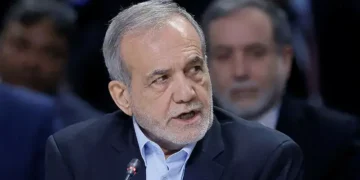
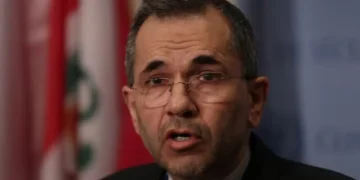
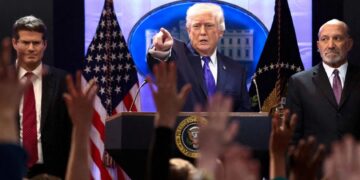


























NEWS DESK (MNN); One week into the escalating US-Israeli military campaign against Iran, President Donald Trump is confronting a growing array of strategic, political, and economic challenges that raise questions about his ability to convert military actions into a clear geopolitical victory. Despite the killing of Supreme Leader Ayatollah Ali Khamenei and significant strikes on Iranian military assets on land, sea, and air, the conflict has expanded into a regional confrontation that could lock the United States into a prolonged engagement with consequences beyond Trump’s control.
Analysts note that this scenario contrasts sharply with Trump’s earlier preference for limited, quick operations, such as the January raid in Venezuela and the June strike on Iran’s nuclear facilities. “Iran is a messy and potentially protracted military campaign,” said Laura Blumenfeld of the Johns Hopkins School for Advanced International Studies. She added that Trump is risking the global economy, regional stability, and even the political standing of his Republican Party ahead of the midterm elections.
Critics highlight that Trump, who campaigned against “stupid” military interventions, is now pursuing what many see as an open-ended war of choice, initiated without an immediate threat to the United States. Analysts argue that he has failed to clearly articulate objectives or a defined endgame for Operation Epic Fury, the largest US military operation since the 2003 Iraq invasion, offering shifting rationales for the campaign.
White House spokesperson Anna Kelly defended the president’s strategy, stating, “Trump has clearly outlined his goals to destroy Iran’s ballistic missiles, cripple their navy, end proxy support, and prevent Iran from ever obtaining nuclear weapons.” Yet, if the war continues, American casualties rise, and oil supply disruptions mount, Trump’s high-stakes gamble could also damage his party politically.
Political Risks and Domestic Implications
Trump’s Make America Great Again (MAGA) base largely supports him, but any decline in enthusiasm could jeopardize Republican control of Congress in November’s midterms. Polls indicate that broad sections of the electorate, including independent voters, oppose the war. Republican strategist Brian Darling warned, “The MAGA base is split between those who relied on no-new-war promises and those loyal to Trump’s judgment.”
Mixed messaging from Trump and his aides regarding regime change in Tehran has further complicated the situation. Initially, Trump suggested overthrowing Iran’s leadership might be a goal. Days later, he downplayed this, only to later encourage Iranian Kurdish rebels and demand “unconditional surrender” from Tehran.
Meanwhile, Iran has retaliated with strikes against Israel and neighboring countries, activating proxy forces such as Hezbollah in Lebanon, which has expanded hostilities into new territories.
Military and Regional Challenges
US casualties remain relatively low, with six service members killed so far, though Trump has not ruled out deploying ground troops. Asked about potential Iran-inspired attacks on American soil, Trump remarked in a Time magazine interview, “I guess … like I said, some people will die.” Former US intelligence official Jonathan Panikoff noted, “Nothing is likely to hasten an early end to the war more than American casualties… That’s what Iran is counting on.”
Trump’s initial assumption that the Iran campaign would resemble the rapid Venezuela operation has been challenged. Iran has proven to be a well-armed, entrenched adversary, with a resilient clerical and military infrastructure. Even the decapitation strike that killed Khamenei has failed to prevent retaliation and may even embolden hardline figures.
Economic Implications and the Strait of Hormuz
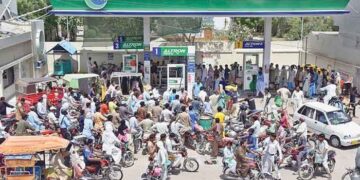
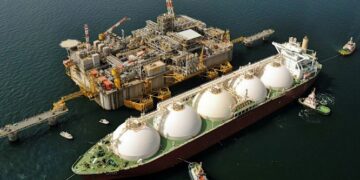
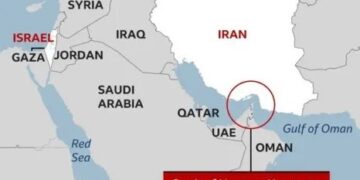
The Iran crisis threatens a key economic chokepoint: the Strait of Hormuz, through which nearly a fifth of global oil passes. Tanker traffic has slowed, raising concerns about rising energy prices. Though Trump downplays the impact on US gas prices, analysts stress that the disruption could exacerbate domestic economic pressures and influence voter sentiment ahead of the midterms.
“The economic pain point on the US economy seems not fully anticipated,” said Josh Lipsky of the Atlantic Council. Some senior US officials acknowledge the decision to strike Iran proceeded without full consultation of oil market experts, intensifying concerns over long-term energy security.
Regional Response and Allies’ Concerns
While Gulf allies have generally aligned with the US campaign after Iranian strikes on the region, dissent exists. UAE billionaire Khalaf Al Habtoor publicly questioned Trump’s authority to make the Middle East a battlefield, reflecting unease among regional stakeholders.
The duration of the conflict remains uncertain, with Trump suggesting it could last four to five weeks “or whatever it takes.” Analysts warn that prolonged engagement could destabilize the region further, inflame tensions with Iran’s allies, and create significant political, economic, and strategic challenges for the United States.