

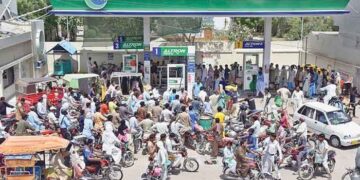
























ISLAMABAD (MNN); The federal government on Friday announced a major increase of Rs55 per litre in the prices of petrol and high-speed diesel, citing rising global oil prices and the ongoing conflict in the Middle East.
Following the increase, the ex-depot price of petrol has been revised to Rs321.17 per litre, up from Rs266.17, reflecting an increase of about 17 per cent. The ex-depot price of high-speed diesel has been fixed at Rs335.86 per litre for the coming week.
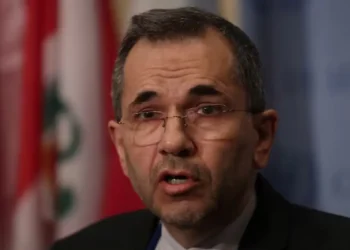
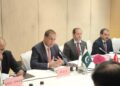
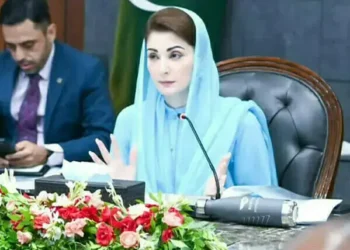
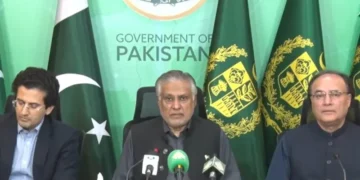
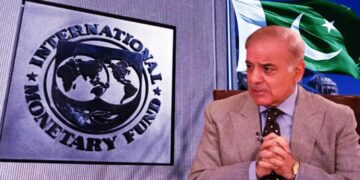
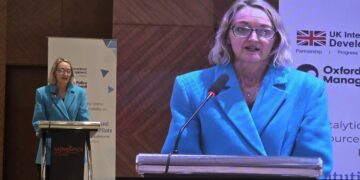
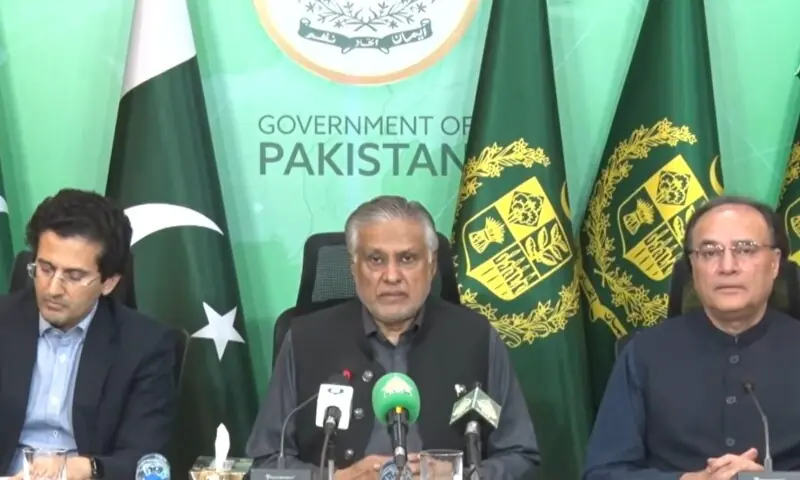
The announcement was made by Petroleum Minister Ali Pervaiz Malik during a press conference alongside Deputy Prime Minister and Foreign Minister Ishaq Dar and Finance Minister Muhammad Aurangzeb.
Speaking on the occasion, Ishaq Dar said the revised fuel prices would take effect from 12 midnight on Saturday.
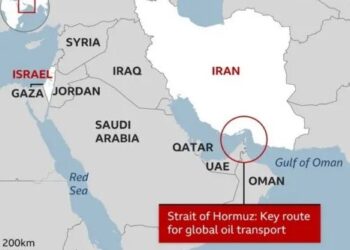
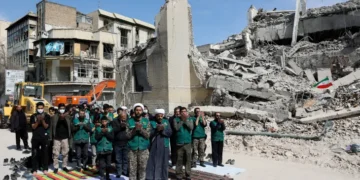
He said the ongoing conflict involving Iran, the United States and Israel had intensified and was affecting global energy markets. According to him, prices of various petroleum products in international markets had surged by 50 to 70 per cent.
Dar noted that in many countries petroleum prices automatically increased due to rising international costs. However, he said the government in Pakistan had taken time to carefully review the situation before making a decision.
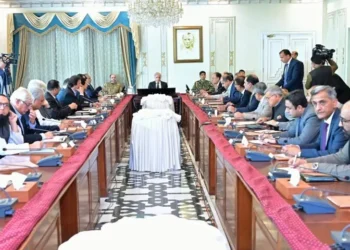
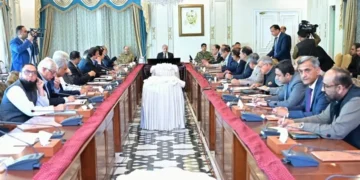
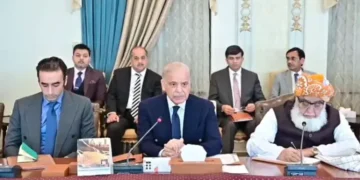
He said Prime Minister Shehbaz Sharif had been closely monitoring the developments and holding consultations over the past two to three weeks. A permanent committee headed by Petroleum Minister Ali Pervaiz Malik and Finance Minister Muhammad Aurangzeb had been reviewing the situation regularly.
Dar said another committee led by him and including Malik and Aurangzeb had engaged with relevant stakeholders to minimise the impact of rising global prices on consumers.
He added that Pakistan was also making diplomatic efforts with other countries to help reduce tensions in the Middle East. Prime Minister Shehbaz Sharif and Chief of Defence Forces and Chief of Army Staff Field Marshal Asim Munir had been in contact with both civilian and military leadership of various countries in this regard.
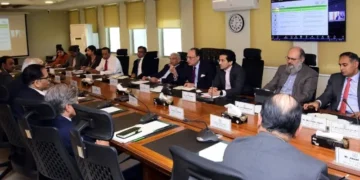
Finance Minister Muhammad Aurangzeb said the committee formed by the prime minister had been meeting daily over the past five days to review the situation.
He said energy and the national economy were closely linked and the government was also assessing the broader economic implications of the Middle East crisis.
Aurangzeb said Pakistan currently remained stable in terms of macroeconomic indicators and there was no reason for panic, but the government was preparing for various scenarios to remain proactive.
He said demand management would be an important factor in the coming days and the federal government would soon meet the chief ministers of all four provinces to ensure coordinated implementation of decisions.
Petroleum Minister Ali Pervaiz Malik said the country was facing extraordinary circumstances due to the regional conflict and the uncertainty surrounding its duration.
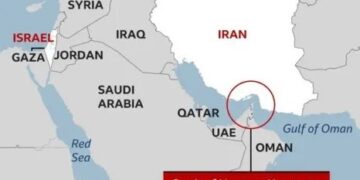
He noted that shipping activities in the Strait of Hormuz had slowed significantly, creating risks for global oil supply.
Malik said Prime Minister Shehbaz Sharif had engaged with the Saudi government while the foreign ministry was also working to secure alternative energy supply routes.
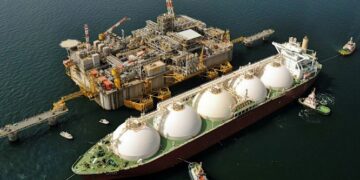
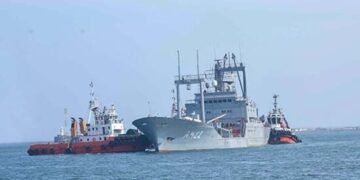
He said two Pakistan National Shipping Corporation ships had already been dispatched towards Yanbu and Fujairah ports to help meet Pakistan’s energy requirements.
Malik added that Saudi Aramco had assured Pakistan that crude oil could be loaded from Yanbu and transported through PNSC vessels to ensure continuous supply to local refineries.
He said the government had taken the difficult decision to increase fuel prices after adjusting the petroleum levy in order to prevent any disruption in the supply of petroleum products.
He also announced that petroleum prices would now be reviewed on a weekly basis, adding that the government would quickly reduce prices once the international situation stabilises.