



















































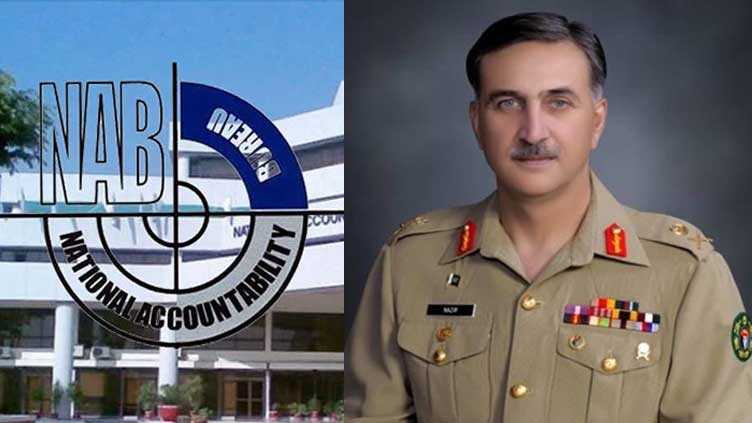
ISLAMABAD (MNN); President Asif Ali Zardari on Thursday approved the NAB (Amendment) Bill, 2026, paving the way for an extension in the tenure of the National Accountability Bureau (NAB) chairman for an additional three years.
The presidential assent came only hours after the bill was passed by both houses of parliament amid strong protests from opposition lawmakers.
The move comes a day before the tenure of incumbent NAB Chairman Lt Gen (retd) Nazir Ahmed was due to expire. Ahmed assumed office on March 4, 2023, after former chairman Aftab Sultan resigned from the post citing interference and pressure.
Under the previous law, the NAB chairman served a single, non-extendable term of three years and was not eligible for reappointment. However, an amendment to Section 6 of the NAB Ordinance now allows the chairman to serve a three-year term that may be extended once by the federal government for another three years.
The amendment also changes the financial threshold for corruption cases. Previously, NAB could take cognisance of cases involving corruption exceeding Rs500 million. The new law provides that this limit will be revised annually in accordance with the inflation index issued by the Pakistan Bureau of Statistics.
According to the statement of objects and reasons accompanying the bill, the measure aims to keep financial limits realistic and relevant over time, ensuring they are not eroded by inflation.
Another amendment to Section 4 of the NAB Ordinance expands the jurisdiction of accountability courts, enabling them to handle both trials and appeals in corruption cases.
Similarly, changes to Section 9 empower accountability courts as well as the relevant high courts to grant bail or release accused persons under provisions of the Code of Criminal Procedure.
The legislation also introduces a new provision allowing a second appeal after conviction. Under the amendment, a convicted person or the prosecutor general accountability — if directed by the NAB chairman — may file a second appeal before the Federal Constitutional Court within 30 days of the high court’s decision.
The bill was originally introduced in the Senate by independent lawmaker Muhammad Abdul Qadir from Balochistan. It was tabled through a supplementary agenda on a day not reserved for private members’ bills, triggering protests from opposition benches.
Opposing the legislation, PTI parliamentary leader Barrister Syed Ali Zafar suggested that the bill had originated from “somewhere else”. He warned that transferring appeals in NAB cases from the Supreme Court to the Federal Constitutional Court would undermine the judiciary’s dignity.
Zafar alleged the amendments were aimed at politically targeting PTI founder Imran Khan and said extending the NAB chairman’s tenure was not in the public interest.
PTI Chairman Barrister Gohar Ali Khan also criticised the bill in the National Assembly, saying the changes would allow influential individuals to get corruption cases dismissed and demanded that the legislation be withdrawn.
Jamiat Ulema-i-Islam-Fazl lawmaker Aaliya Kamran said the provision regarding the NAB chairman’s appointment contradicted the Charter of Democracy, while MQM leader Izharul Hasan stressed that lawmakers should be given adequate time to review important legislation before voting on it.