



















ISLAMABAD (MNN); The government on Wednesday criticised the opposition’s decision to boycott an in-camera national security briefing, urging it to reconsider its stance on matters concerning national interest.
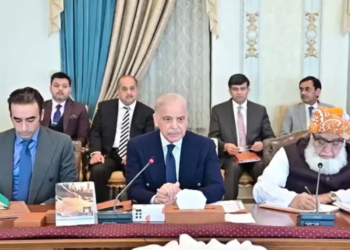
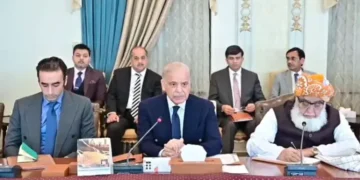
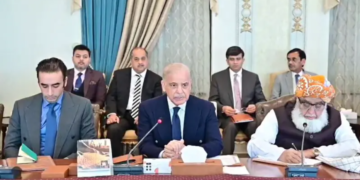
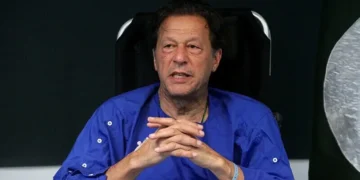
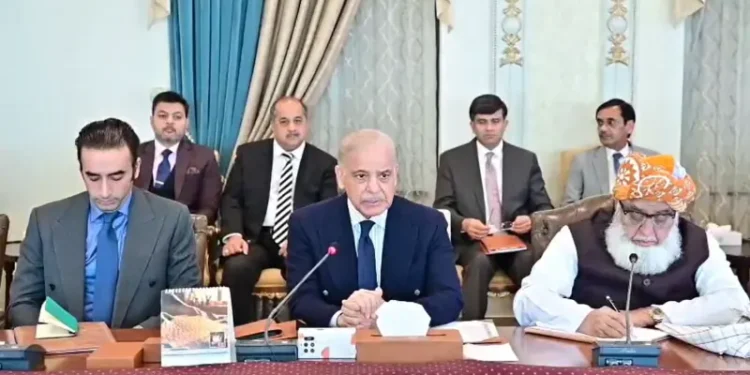
Prime Minister Shehbaz Sharif had invited heads of all parliamentary parties to attend the closed-door session at his office to discuss the evolving regional and security situation. However, Pakistan Tehreek-e-Insaf declined to participate, stating it would not attend any meeting unless its founder Imran Khan was granted a meeting.
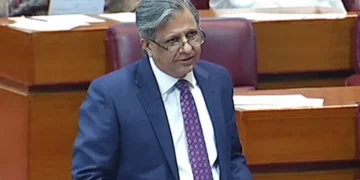
Speaking in the National Assembly, Minister for Parliamentary Affairs Dr Tariq Fazal Chaudhry said the opposition should show seriousness on issues of national importance. He stressed that political differences must be set aside to present a united front on matters related to Pakistan’s security.
“This meeting was not convened to promote any party agenda or for individual gain. It was about safeguarding Pakistan’s security and shaping a rational policy in the prevailing circumstances,” he said.
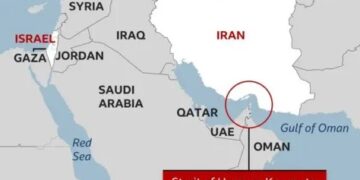
The minister said the government valued input from all political forces in developing future policies, particularly given the sensitive regional dynamics involving Afghanistan, Iran and the Gulf states.
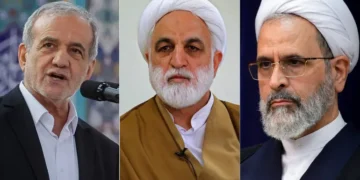
Deputy Prime Minister and Foreign Minister Ishaq Dar and Foreign Secretary Amna Baloch delivered detailed briefings to parliamentary leaders during the session.
Chaudhry said coalition partners, including Bilawal Bhutto-Zardari, Maulana Fazlur Rehman and Khalid Maqbool Siddiqui, offered constructive suggestions that would be incorporated into future policymaking.
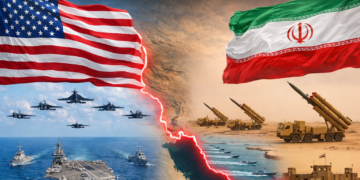
He noted that Pakistan was working for de-escalation in the region following recent attacks on Iran and reiterated that Islamabad would neither enter the conflict nor take sides.
“We seek peace and stability. Our efforts are aimed at ending the conflict and reducing tensions,” he said, adding that Pakistan, despite suffering heavily from terrorism, continued to advocate peace.
The minister condemned the US-Israeli attack on Tehran and recalled Pakistan’s strong condemnation of the assassination of Iranian Supreme Leader Ali Khamenei and other leaders. He also voiced concern over attacks on Gulf states and called for immediate de-escalation.
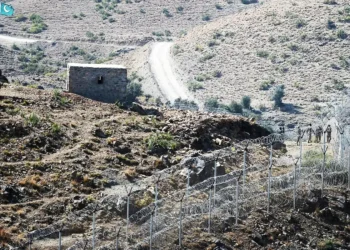
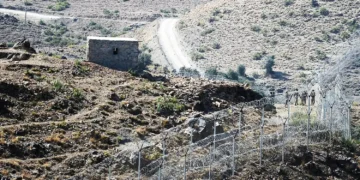
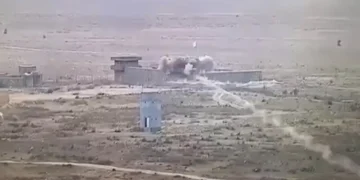
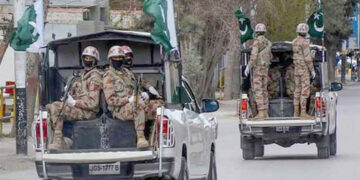
Referring to Operation Ghazab Lil Haq, Chaudhry said the offensive against the Afghan Taliban would continue until its objectives were achieved, including securing Pakistan’s border and preventing cross-border infiltration.
He stated that the operation would persist until the Afghan regime took concrete measures to stop militant infiltration into Pakistan. He added that despite multiple visits by Ishaq Dar to Afghanistan since the Taliban’s return to power, Afghan soil continued to be used for attacks inside Pakistan.
According to the minister, more than 8,000 civilians and security personnel have been martyred since 2022 in terrorist incidents linked to elements operating from Afghanistan. He said Pakistan had even offered Rs10 billion during talks in Doha to facilitate the relocation of the banned Tehreek-i-Taliban Pakistan away from the border, but no guarantees were provided.
Meanwhile, PTI lawmaker Ali Muhammad Khan condemned the attack on Iran and questioned whether a person responsible for killing a prominent Muslim leader could be regarded as a messenger of peace, in an apparent reference to US leadership.
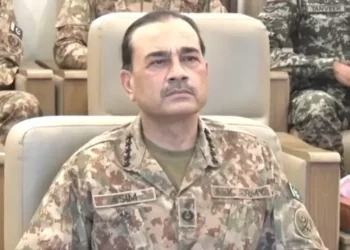
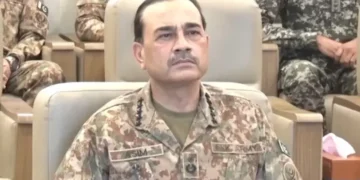
Naeema Kishwar of JUI-F urged the government to act prudently and pursue peaceful solutions. MQM parliamentary leader Farooq Sattar suggested that Prime Minister Shehbaz Sharif and Field Marshal Asim Munir engage directly with US leadership.
He also revealed that a proposal was floated during the in-camera meeting to convene a joint sitting of Parliament to allow broader discussion. However, MQM lawmakers staged a walkout after Deputy Speaker Ghulam Mustafa Shah declined to grant Sattar additional time to speak.