



























ISLAMABAD (MNN); The federal government has decided in principle to introduce weekly revisions in petroleum prices from March 8 and to adopt fuel conservation measures, including work-from-home and distance learning, in response to possible oil supply disruptions linked to the ongoing conflict in the Middle East.
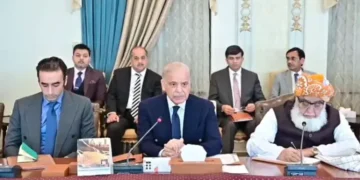
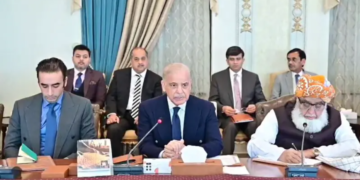
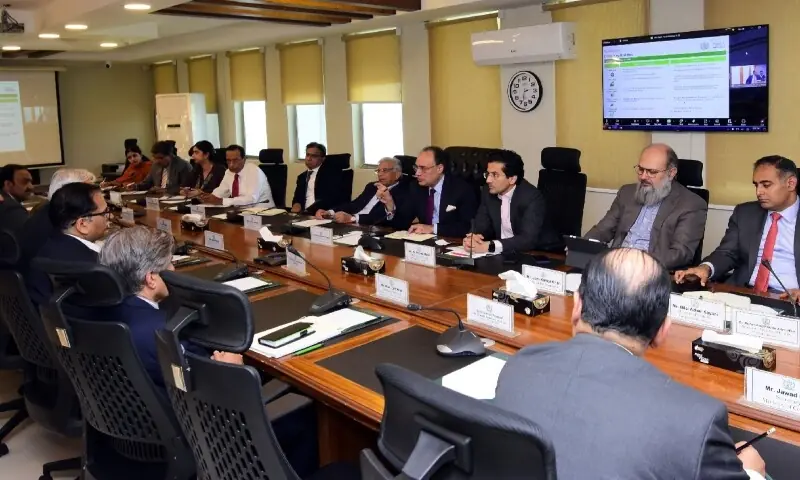
The decision was taken during a meeting of a cabinet committee formed by Prime Minister Shehbaz Sharif to monitor petrol prices and the evolving regional situation.
The committee finalised a national action plan in consultation with provincial governments. The plan will be presented to the prime minister on Friday, after which it is expected to be forwarded to the Economic Coordination Committee of the federal cabinet for formal approval and implementation.
Sources said consecutive meetings of the prime minister, the cabinet committee, and the Economic Coordination Committee are scheduled due to the urgency of the matter. The contingency plan has also reportedly been discussed with the International Monetary Fund.
The meeting, chaired by Finance Minister Muhammad Aurangzeb, reviewed potential measures to reduce fuel consumption and ease pressure on the national budget and foreign exchange reserves.
Officials noted that similar strategies were implemented during the COVID-19 period. Apart from health-related precautions, many of those measures — including remote work, distance education, and car-pooling — could be revived from next week.
According to an official statement, the committee also assessed the country’s preparedness in the energy sector and reviewed petroleum product stock levels nationwide.
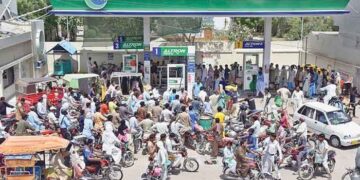
Authorities said existing reserves remained at comfortable levels, with sufficient supplies available for key petroleum products, and there was currently no immediate threat to fuel availability.
However, officials warned that the global energy environment remained uncertain, requiring careful planning as international shipping routes and supply chains faced rising risks and costs.
The committee also received a detailed briefing on global oil market conditions, including movements in international oil benchmarks, freight and insurance costs, and potential supply congestion at key maritime chokepoints.
Members reviewed different supply and pricing scenarios to ensure the country remained prepared under various contingencies and to maintain stability in domestic energy markets.
Officials also discussed the possibility that a “war premium” in international oil markets and increased competition for energy cargoes, particularly in Asia, could intensify pressure on Pakistan’s external accounts.
The government is also exploring diversified sourcing options and logistics arrangements with friendly countries to secure additional crude oil and refined products through alternative shipping routes and ports.
Among the options under consideration are shipments through the Red Sea route to reduce dependence on the strategically vital Strait of Hormuz.
Pakistan has already requested Saudi Arabia to facilitate alternative oil supplies via the Red Sea corridor to maintain the country’s fuel supply chain.
The committee also discussed measures to prevent hoarding, illegal storage, and fuel smuggling, with provincial administrations expected to coordinate enforcement actions with the Oil and Gas Regulatory Authority and other agencies.
Officials emphasised that ensuring uninterrupted domestic fuel distribution and preventing smuggling would remain key operational priorities.
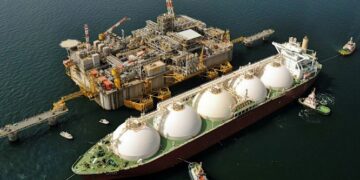
The committee also reviewed the supply situation of liquefied petroleum gas (LPG) and liquefied natural gas (LNG), including shipment schedules and terminal operations.
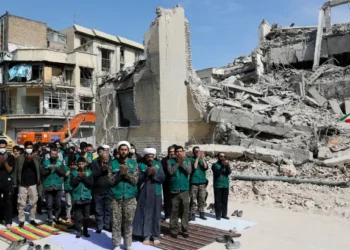
The discussions come as the ongoing conflict involving United States, Israel, and Iran continues to disrupt global supply chains, with ship movements through the Strait of Hormuz facing major disruptions.