















































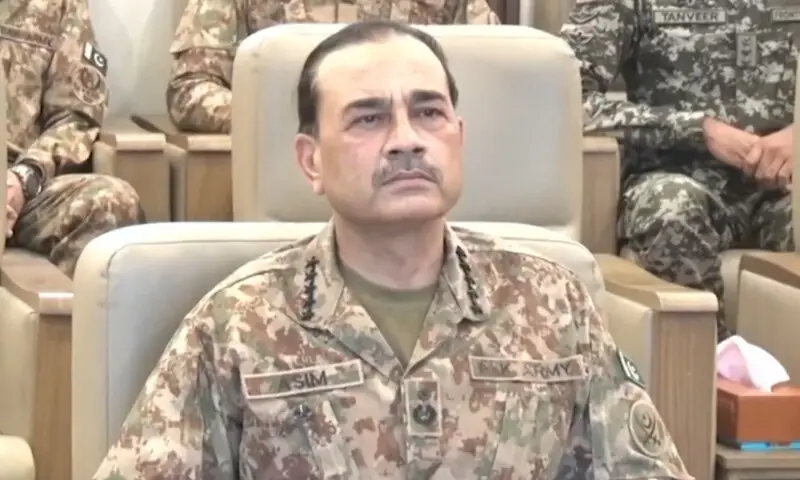
RAWALPINDI (MNN); Chief of Defence Forces and Chief of Army Staff Field Marshal Asim Munir on Wednesday said lasting peace between Pakistan and Afghanistan would only be possible if the Afghan Taliban renounce support for terrorism and militant organisations.
According to a statement issued by Inter-Services Public Relations, the army chief made the remarks during a visit to Wana in South Waziristan, where he reviewed the security situation and operational preparedness along the western border.
The statement said the field marshal reiterated that peace between the two countries hinges on the Afghan Taliban abandoning support for terrorist groups.
During the visit, he laid a floral wreath at the martyrs’ monument and offered fateha, paying tribute to soldiers who sacrificed their lives in defence of the country. He reaffirmed that the sacrifices of the martyrs remain central to Pakistan’s security and resilience.
The army chief received a detailed briefing on the prevailing security environment, ongoing intelligence-based operations and border management measures. He was also briefed on the progress of Operation Ghazab Lil Haq and recent developments along the Pakistan-Afghanistan border.
Field Marshal Munir interacted with officers and troops deployed in forward areas, praising their professionalism, vigilance and high morale amid ongoing skirmishes. He commended their resolve to safeguard Pakistan’s sovereignty and maintain regional stability.
The statement emphasised that the use of Afghan soil by Fitna al Khawarij and Fitna al Hindustan to carry out attacks against Pakistan was unacceptable, adding that all necessary measures would be taken to neutralise threats originating from across the border.
Fitna al Khawarij is the term used by the state for militants linked to the banned Tehreek-i-Taliban Pakistan, while Fitna al Hindustan refers to terrorist groups operating in Balochistan.
Expressing confidence in the army’s operational preparedness, the field marshal said formations deployed along the frontier were fully capable, resilient and combat-ready.
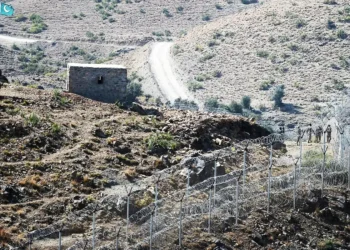
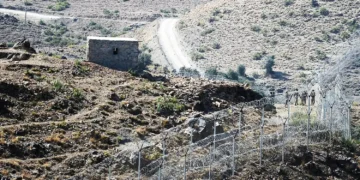
Relations between Pakistan and the Afghan Taliban have deteriorated significantly over the past four years. In October last year, clashes erupted along the 2,600-kilometre border separating the two countries. Following the escalation, mediation efforts were undertaken by Turkey and Qatar.
Talks held in Doha produced a fragile ceasefire in the first round, while subsequent meetings resulted only in a general understanding to develop a compliance verification mechanism. The third round concluded without a concrete agreement.
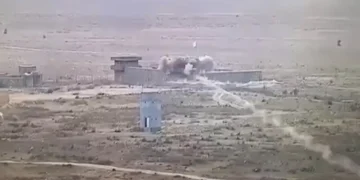
On February 22, Pakistan carried out overnight strikes on alleged militant camps in Afghanistan’s Nangarhar and Paktika provinces. In response, the Afghan Taliban launched cross-border attacks last week.
Pakistan subsequently initiated Operation Ghazab Lil Haq on February 26. A senior security official said earlier this week that Islamabad was in no rush to conclude the operation and would continue cross-border action against militant sanctuaries until Kabul provides verifiable guarantees against facilitating attacks.
“Operations will end when the Afghan Taliban regime offers verifiable assurance that it has ceased support for Fitna al Khawarij and Fitna al Hindustan. We are in no hurry,” the official said.