










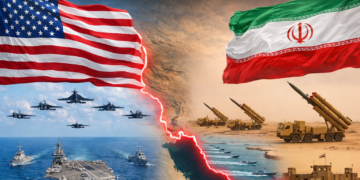























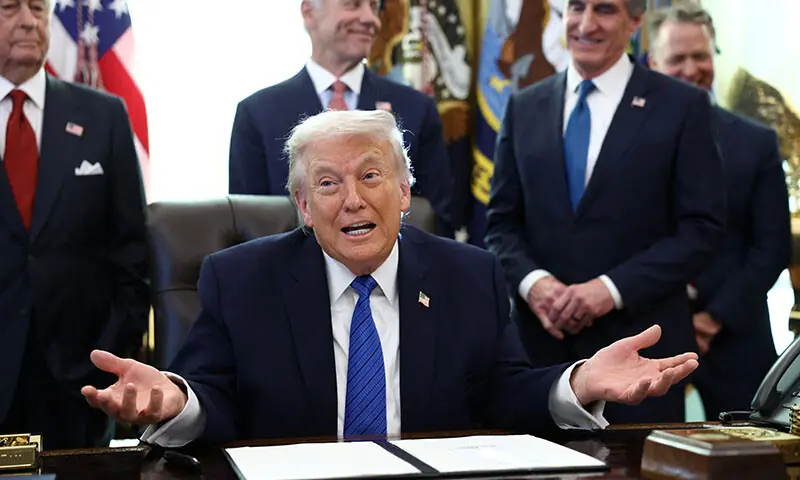
News Desk (MNN); U.S. President Donald Trump said on Monday that American military operations against Iran are expected to last four to five weeks but warned that the United States has the capability to continue “far longer” if required.
Speaking during a Medal of Honor ceremony at the White House, Trump said the initial projection from the outset had been a four-week timeframe, but stressed that Washington was prepared for an extended campaign. “We have the capability to go far longer than that,” he said, adding, “I don’t get bored. There’s nothing boring about this.”
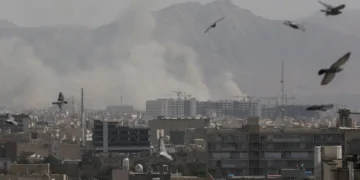
The remarks came as the United States and Israel continued intensive strikes on Iran following the killing of Supreme Leader Ali Khamenei on Saturday. Trump claimed the U.S. had estimated it would take four weeks to dismantle Iran’s military leadership but achieved that objective ahead of schedule.
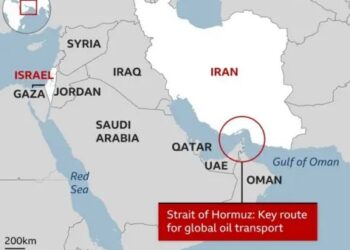
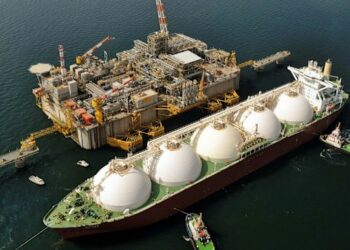
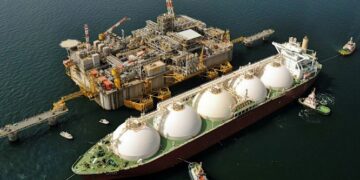
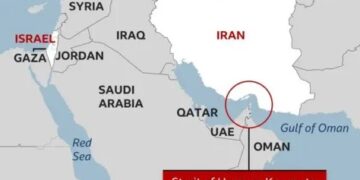
Tehran and its regional allies have retaliated with strikes targeting Israel, Gulf states and critical energy infrastructure, raising fears of a prolonged war with significant consequences for global oil and gas supplies.
In his first public briefing since the escalation, U.S. Defense Secretary Pete Hegseth defended the strikes, saying Iran had stalled negotiations while planning attacks. He stated that the U.S. operations aim to weaken Iran’s naval capabilities and halt its nuclear and missile ambitions.
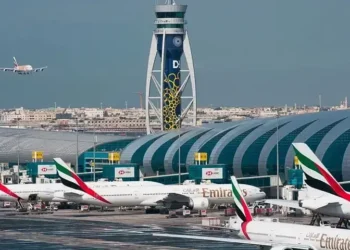
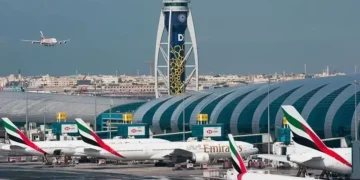
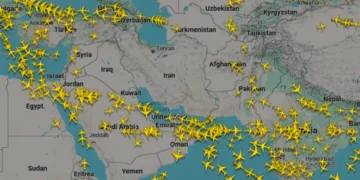
The conflict has triggered widespread disruption in global air travel. Emirates, based at Dubai International Airport, announced it would resume a limited number of flights, while FlyDubai also confirmed partial operations.
In Abu Dhabi, authorities brought a fire under control after a drone strike hit the Musaffah fuel terminal. Officials said no injuries were reported and operations at the facility continued without interruption.
Meanwhile, Vladimir Putin held a phone call with Saudi Crown Prince Mohammed bin Salman, according to the Kremlin. Both leaders expressed serious concern over the escalation and the risk of the conflict spreading further across the region. Putin emphasized the need for a political and diplomatic solution, while the Saudi crown prince suggested Russia could play a stabilizing role due to its relations with Iran and Gulf nations.
Casualties reported in Gulf countries have largely involved foreign nationals. The United Arab Emirates, Bahrain and Kuwait confirmed deaths and injuries among migrant workers following Iranian strikes. Officials said victims included nationals of Nepal, Bangladesh and Pakistan.
The International Labour Organization estimates that more than 24 million foreign workers were employed across Gulf states in 2024, forming a critical part of the region’s economy while remaining among its most vulnerable populations.
As tensions continue to mount, concerns are growing over the potential for a drawn-out regional war with global economic and security repercussions.