
















ISLAMABAD (MNN); Federal Minister for Information and Broadcasting Attaullah Tarar said on Monday that 435 Afghan Taliban fighters have been killed and more than 630 injured during the ongoing Operation Ghazab-lil-Haq.
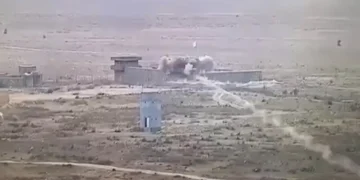
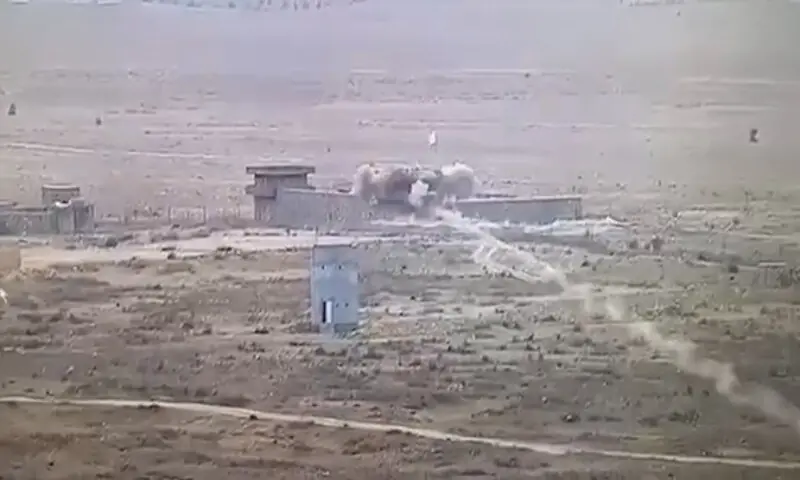
In a statement on X, the minister said Pakistani forces inflicted “heavy losses” on Afghan Taliban fighters in retaliatory action launched after what he described as unprovoked cross-border aggression on the night of February 26. He claimed that 188 Afghan Taliban checkposts were destroyed and 31 taken over by Pakistani troops. According to him, 188 tanks, armoured vehicles and artillery guns were also destroyed.
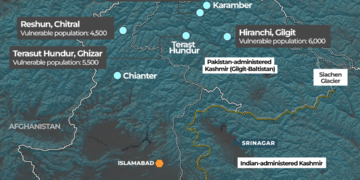
Tarar said Pakistani forces carried out air strikes at 51 locations across Afghanistan, targeting what officials described as military installations in Kabul, Kandahar and Paktia.
The Ministry of Information and Broadcasting rejected reports of strikes on Pakistani military installations as “unverified Taliban claims amplified as propaganda by fake pages and Indian media.” In a fact-check post, the ministry said no satellite imagery, flight data, ground videos or eyewitness accounts had been provided to substantiate such claims. It added that Afghanistan has had no operational air force since the Taliban took power in 2021 and that no intrusion was detected by the advanced air defence system at the Nur Khan base in Rawalpindi.
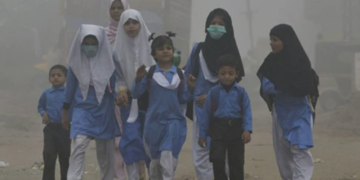
Separately, the district administration in Khyber closed 37 public and private schools in border areas due to heightened tensions. Officials said 29 boys’ schools and eight girls’ schools would remain shut, citing student and staff safety as the primary concern amid repeated provocations over the past several days.
At least four people, including a minor girl, were injured when a mortar shell fired from across the border landed near a residential compound in Landi Kotal minutes before Iftar. Two additional shells struck the official residence of the tehsildar, though no casualties were reported in that incident. The injured were shifted to hospital and were said to be out of danger.
Deputy Prime Minister and Foreign Minister Ishaq Dar said Pakistan’s actions were “very careful” and proportionate. In a press briefing, he stated that initially 22 locations in Kabul, Kandahar, Paktia, Nangarhar, Khost and Paktika were targeted through aerial operations, all described as carefully selected military sites based on intelligence.
He later said that a total of 37 locations were targeted, 415 Taliban personnel eliminated, 182 posts destroyed, 31 captured and 185 tanks and armoured personnel carriers destroyed.
Dar maintained that Operation Ghazab-lil-Haq was launched in self-defence under Article 51 of the UN Charter after repeated attacks allegedly originating from Afghan soil. He said Pakistan had earlier conducted intelligence-based strikes on seven camps belonging to the TTP and IS-KP on February 21.
According to Dar, there were “provocative actions” at 53 locations across 15 sectors in Khyber Pakhtunkhwa on February 26. He described the situation as alarming and unacceptable, adding that Pakistan had exercised extreme restraint despite possessing the capability to respond more forcefully.
He also referred to previous high-profile attacks, including the Islamabad court bombing, coordinated BLA attacks in Balochistan and the February 6 imambargah suicide bombing, alleging that recent incidents in Bajaur and Bannu were orchestrated by TTP leadership based in Afghanistan.
Dar said Pakistan had engaged in dialogue with the Afghan Taliban in Qatar and Turkiye after earlier clashes, but the talks yielded no results. He reiterated that Pakistan’s only demand was that Afghan authorities should not allow groups such as the TTP, BLA and Majeed Brigade to operate from their soil.
He stressed that Pakistan seeks cordial relations with all neighbours, particularly Afghanistan, and recalled measures such as facilitating Afghan trade, extending CPEC to Afghanistan, granting scholarships to Afghan students, providing humanitarian aid and maintaining a liberal visa regime.
However, he said continued militant activity and the absence of verifiable action against proscribed groups left Pakistan with no option but to act.