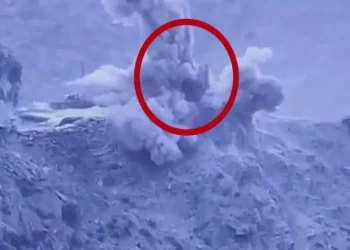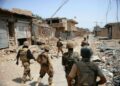

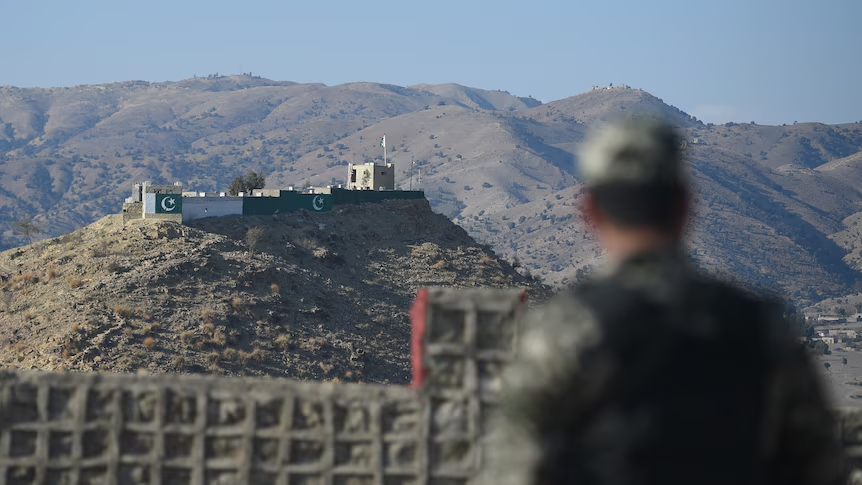
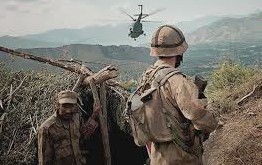

































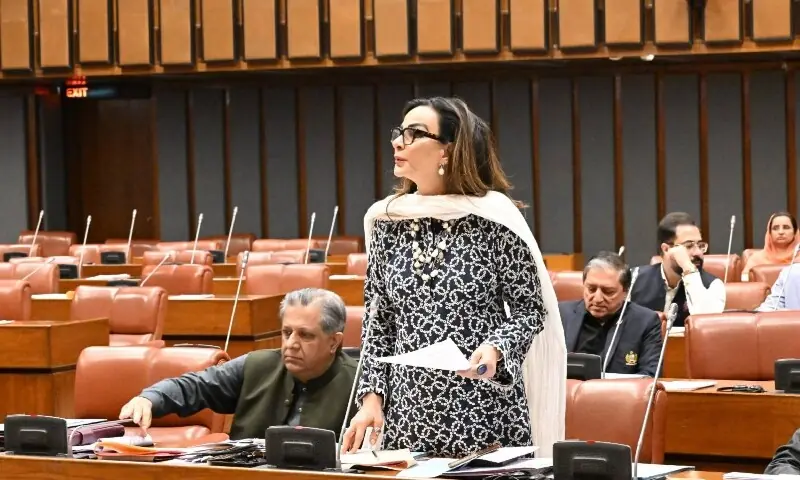
ISLAMABAD (MNN); The Senate on Friday unanimously passed a resolution condemning what it described as unprovoked aggression and hostile cross-border actions by the Afghan Taliban, urging Kabul to immediately halt such activities and prevent the use of its territory for terrorism or attacks against Pakistan.
The resolution, moved by PPP Parliamentary Leader Sherry Rehman, denounced the recent incidents as clear violations of international law, diplomatic norms and the principles of peaceful neighbourly relations.
The House declared that any attempt to undermine Pakistan’s sovereignty, territorial integrity or national security would be considered a direct affront to the nation’s dignity and would invite a firm, proportionate and decisive response.
The resolution noted that for over four decades, Pakistan has borne immense economic, social and security burdens by hosting millions of Afghan nationals, extending humanitarian support, facilitating peace efforts and advocating for Afghanistan’s stability at international forums, often at considerable cost to its own development and internal security.
It expressed regret that instead of reciprocal goodwill, Pakistan continued to face hostile rhetoric, cross-border violations and the presence of anti-Pakistan militant elements operating from Afghan soil.
While reaffirming Pakistan’s commitment to constructive engagement, regional peace and mutually respectful ties, the Senate cautioned that its patience should not be misconstrued as weakness or its desire for stability mistaken for an inability to respond.
The House demanded that the Afghan Taliban regime cease all hostile actions, stop the use of Afghan soil for terrorism against Pakistan and fulfil its international obligations.
The Senate also called on the international community to take serious notice of the situation and press the Afghan Taliban to adhere to global norms to prevent further regional destabilisation.
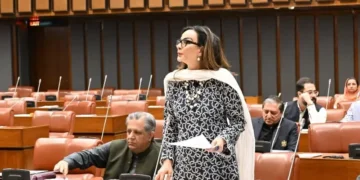
Speaking in the House, Sherry Rehman said Pakistan had exercised maximum restraint and pursued diplomatic channels, but hostile actions from Afghan territory had compelled a response within the framework of international law.
She referred to the Doha agreement signed by the Afghan Taliban and questioned their adherence to commitments made before key international stakeholders. She stressed that Pakistan had not closed the door on diplomacy but was forced to act. Citing Article 51 of the United Nations Charter, she said every country has the right to self-defence.
PTI Parliamentary Leader Barrister Syed Ali Zafar said the nation stood united against terrorism and reaffirmed that Pakistan always comes first.
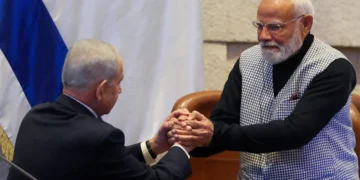
He stated that any aggression would be met with decisive action to defend sovereignty. Senator Zafar alleged that India and Israel had long sought to destabilise Pakistan by using Afghan soil.
He named Indian Prime Minister Narendra Modi and Israeli Prime Minister Benjamin Netanyahu, accusing them of pursuing hostile designs against Pakistan.
He maintained that any country involved in terrorism on Pakistani soil would face full retaliation and urged the Senate to move beyond resolutions by proposing practical, long-term regional solutions.
Zafar suggested forming a permanent regional body comprising neighbouring and key stakeholder states, including China, to establish a collective security framework to counter terrorism emanating from Afghanistan. Such a mechanism, he said, would enhance intelligence sharing and coordinated action.
Referring to constitutional provisions, he cited Articles 4 and 9, which guarantee due process and the right to life and liberty.
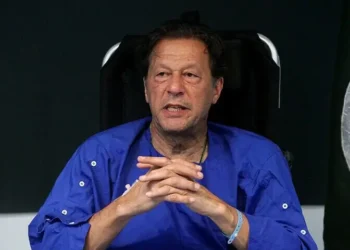
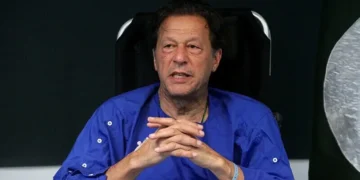
On the health of PTI founder Imran Khan, Zafar said his life, health and safety were matters of national importance. He stressed that it was the state’s constitutional duty to ensure proper medical treatment for a former prime minister.
Responding to calls for dialogue by the prime minister’s adviser on political affairs Rana Sanaullah, Zafar said meaningful talks required the government to first fulfil constitutional obligations by allowing trusted doctors and legal representatives of Imran Khan to be involved in his medical care.
He argued that if proper treatment was already being provided, there should be no objection to independent doctors participating, especially at a time when national unity was crucial.
Zafar concluded that upholding constitutional principles, protecting fundamental rights and ensuring national unity were essential to effectively combat terrorism and safeguard Pakistan’s future.