




















ISLAMABAD (MNN); The opposition alliance Tehreek Tahafuz Ayeen-i-Pakistan (TTAP) on Thursday warned that any criminal negligence regarding the health of PTI founder Imran Khan could further intensify the country’s political crisis.
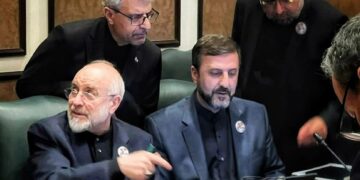
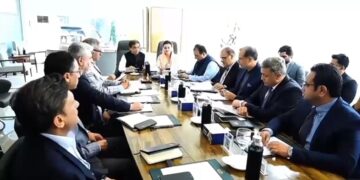
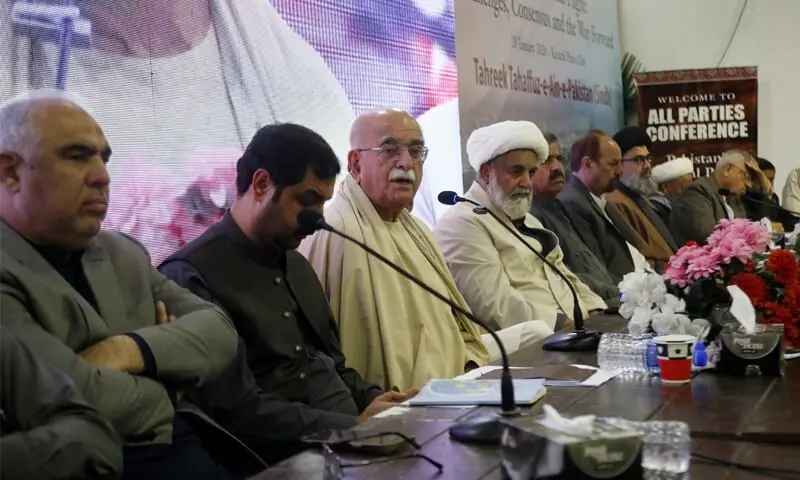
In a statement issued on social media platform X, the alliance said the concerns were raised during TTAP’s central committee meeting and an Iftar gathering hosted by TTAP leader Mustafa Nawaz Khokhar in Islamabad.
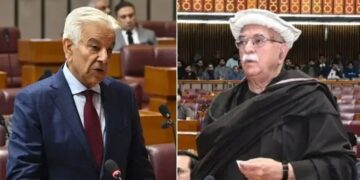
The meeting was attended by National Assembly Opposition Leader Mehmood Khan Achakzai, Senate Opposition Leader Allama Raja Nasir Abbas, PTI Secretary General Salman Akram Raja, former prime minister Shahid Khaqan Abbasi, former National Assembly speaker Asad Qaiser, Sunni Ittehad Council leader Sahibzada Hassan, and other opposition figures.
According to the statement, TTAP leaders demanded that Imran Khan be immediately shifted to Shifa International Hospital for medical treatment, be examined by his personal physicians Dr Faisal Sultan and Dr Aasim Yusuf, and that restrictions on his access to lawyers and family members be lifted without delay.
The alliance reiterated that the former prime minister had been unjustly imprisoned and must be released.
TTAP also condemned what it termed the government’s continued illegal secrecy regarding Imran’s health condition and medical reports. Opposition leaders expressed grave concern over the alleged concealment of his medical test results from his family, saying such actions were increasing fears about his health.
The statement warned that any criminal negligence concerning the former premier’s health could push the political crisis onto a more dangerous path.
TTAP further demanded the release of other political prisoners, including Bushra Bibi, Shah Mahmood Qureshi, Yasmin Rashid, Umar Sarfaraz Cheema, Ejaz Chaudhry, Ali Wazir, Mahrang Baloch, and detained SIC Chairman Sahibzada Hamid Raza.
The alliance also expressed serious concern over the rising wave of terrorism, strained ties with Afghanistan, the possibility of regional conflict, economic deterioration, and growing repression and lawlessness.
It called for a comprehensive national strategy, formulated jointly by the federal and provincial governments along with political stakeholders, to address the recent surge in terrorist attacks, particularly in Khyber Pakhtunkhwa and Balochistan.
The statement urged Pakistan and Afghanistan to avoid confrontation and initiate sincere and meaningful negotiations to tackle terrorism. It also called for engagement with neighbouring countries and friendly states such as Saudi Arabia and Türkiye to help prevent further instability in the region.
TTAP criticised the government’s economic policies, citing recently released figures showing poverty rising to 29 per cent and unemployment reaching a 21-year high. It said foreign and domestic investment had sharply declined and pointed to the exit of several multinational companies as evidence of the country’s worsening risk profile.
The alliance said it would present an alternative budget and policy proposals in the coming months with expert input to address the economic and legal crises.
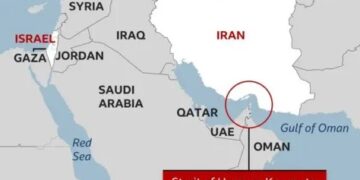
TTAP also cautioned against reports of a possible US attack on Iran, warning that such action would devastate the region. It urged the government to play a diplomatic role in preventing any escalation, alleging that the US and Israel were attempting to encircle and destabilise Iran.
The alliance emphasised that Pakistan should stand in solidarity with Iran to protect regional stability.
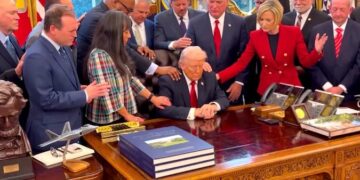
Finally, TTAP criticised the government’s decision to join Donald Trump’s Board of Peace, calling it an attempt by the United States to create an alternative to the United Nations. It objected to the exclusion of Palestinians from the forum and said Pakistan should not become part of such an initiative under any circumstances.